The days of minor car accidents resulting in small repair bills are over. A recent study from Germany’s Allgemeiner Deutscher Automobil-Club (ADAC), Europe’s largest automobile association, reveals that even low-speed collisions now trigger shockingly high costs due to the proliferation of complex, integrated technology in modern vehicles. This isn’t just about inflation; it’s about a fundamental shift in how cars are designed and repaired.
The Rise of Expensive Tech
The core problem is that cars today are packed with sensitive sensors, cameras, and modular parts that cannot be easily fixed individually. What once might have been a simple windshield replacement now requires recalibrating lane-assist and headlight systems, pushing costs from a few hundred dollars to over $2,000 in some cases.
This trend matters because it makes even minor damage financially devastating. Consumers are effectively penalized for unavoidable accidents, and older vehicles are increasingly likely to be written off as total losses even with minimal structural damage.
Component Costs: A Breakdown
Here’s how the costs add up:
- Windshield Replacement: A simple chip can now easily exceed $1,190 (€1,000) due to camera recalibration needs.
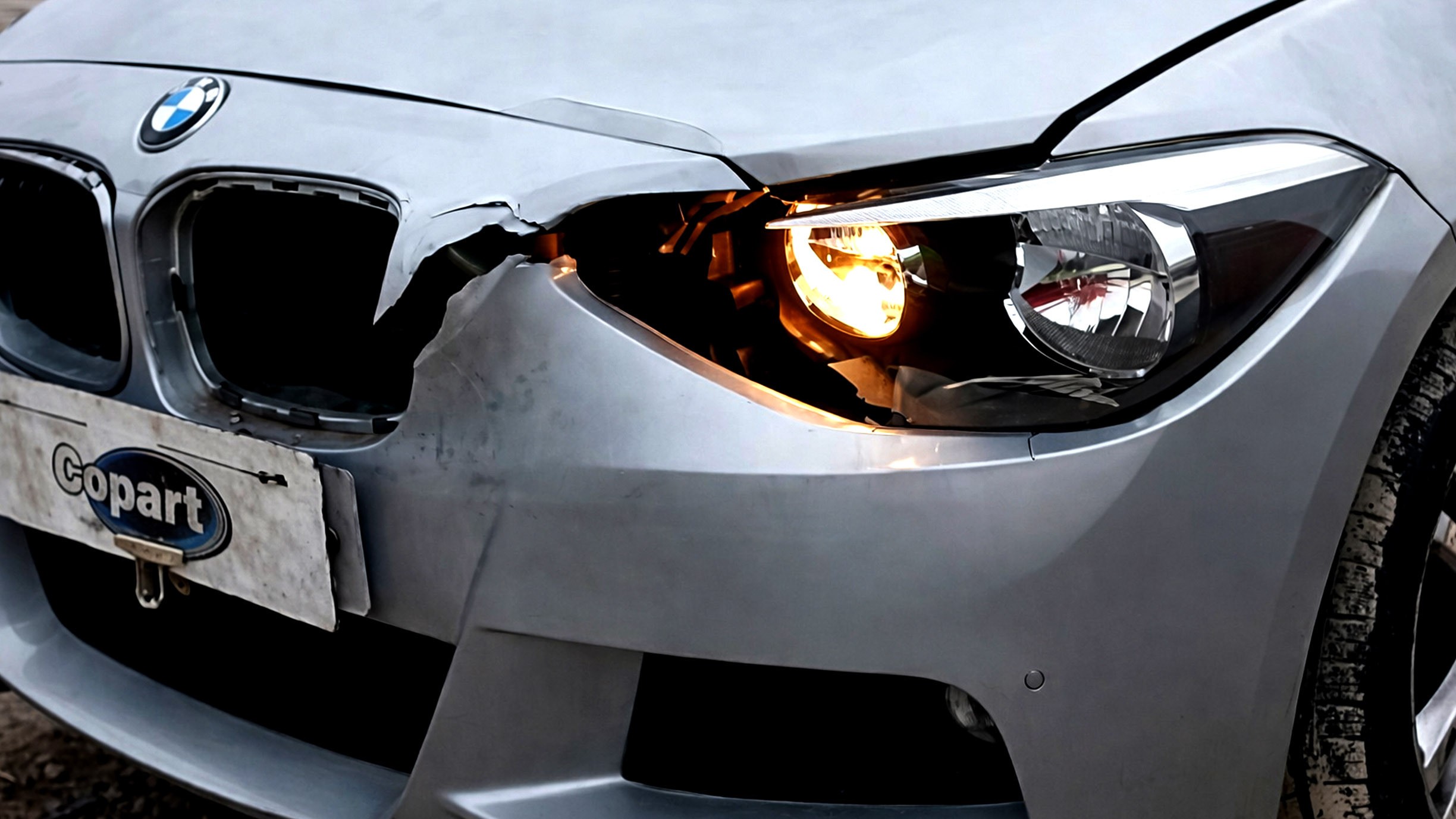
- Front-End Impact (Headlight and Bumper): Bills range from $3,600 (€3,000) to nearly $9,300 (€7,800) depending on the vehicle model.
- High-End Components: Laser headlights on some BMW models can add $3,920 (€3,300) to a repair bill, sometimes pushing total costs toward $9,500 (€8,000).
The issue isn’t just expensive parts; manufacturers sometimes force full assembly replacements instead of repairing individual components. One example: a Suzuki Swace windshield costs over $590 (€500) more than an identical Toyota Corolla windshield.
The Insurance Impact
These rising repair costs have a ripple effect on insurance premiums. In Germany, new customer premiums rose 16% in just one year (2024-2025), and average premiums have climbed roughly 50% over the past three years. Insurers adapt to higher claim costs, and drivers pay the price.
The Call for Change
ADAC is urging automakers to prioritize repairability in vehicle design. This includes:
- Avoiding unnecessary tech: Questioning the value of features like laser headlights or camera-based mirrors when they drastically increase repair costs.
- Modular design: Allowing individual components to be replaced instead of forcing full-assembly swaps.
- Robust components: Building cars that are more resistant to minor damage.
Mercedes has already shown progress with swappable headlamp lenses, replacing glue with screws for easier repairs. However, until other manufacturers adopt similar approaches, drivers face the reality of expensive and avoidable costs.
The future of car ownership increasingly depends on how manufacturers respond to this repairability crisis. If they don’t, even the smallest fender-bender could leave drivers facing a crippling bill.