Modern vehicles are increasingly packed with technology, but this complexity isn’t always welcome. Many drivers simply want a straightforward experience, especially for quick errands, rather than an overly curated, feature-rich system.
The Rise of Touchscreen Dominance
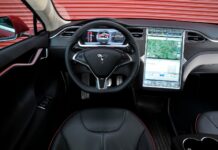
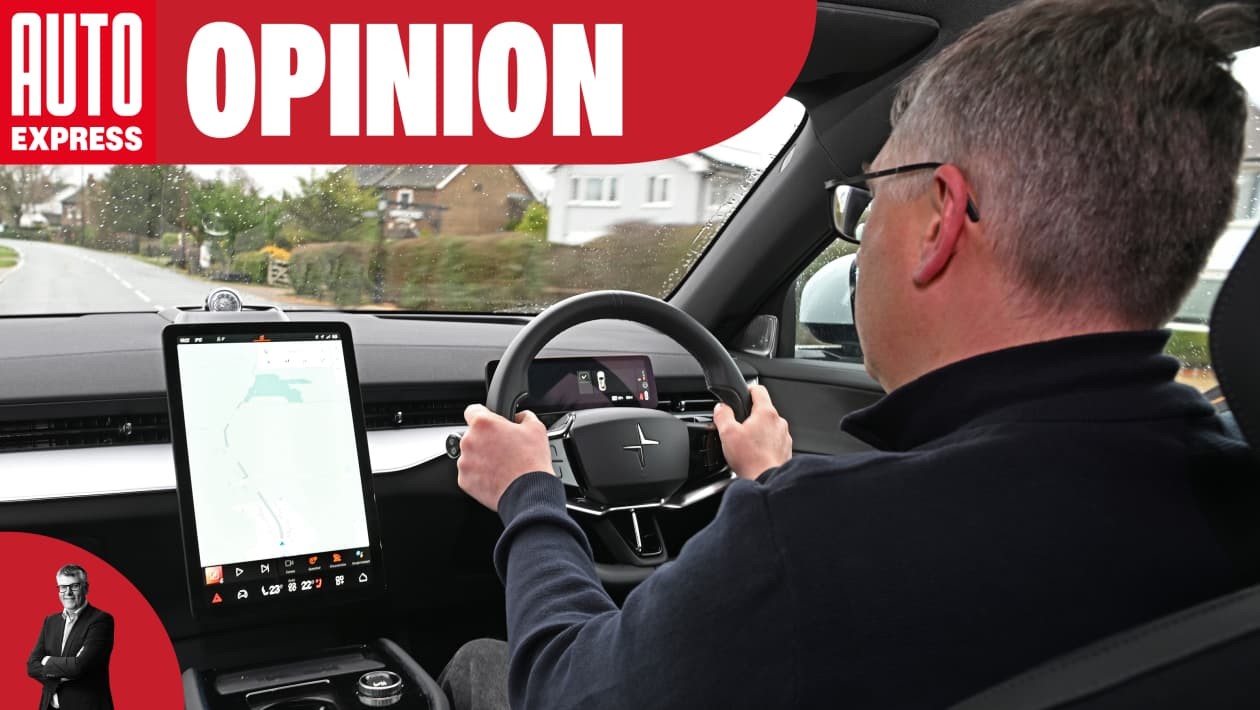
Automakers have aggressively adopted touchscreens in recent years, mirroring the smartphone trend. While tech-forward, this approach ignores the clear risks of in-car distractions. Though there’s been a partial correction with the return of physical controls, the core issue remains: cars are becoming too reliant on menus and settings instead of intuitive operation.
The Unused Feature Problem
Many car features go unused by most drivers. Driver profiles, advanced infotainment systems, and other bells and whistles cater to a specific kind of user—one who has time to set up and customize their experience. For those simply needing to run errands or drop off kids, this level of complexity is a hindrance.
Voice Control Isn’t a Panacea
Voice control is often touted as a solution, but it’s imperfect. Interrupting audio, misinterpreting commands, and the need to repeat instructions make it less reliable than physical buttons or a well-designed interface.
Simplicity Wins
Consumers want cars to be tools, not extensions of their digital lives. A car should connect to your phone quickly and let you drive without forcing you through layers of menus. Brands that prioritize ease of use will gain customer loyalty, especially from those who value time and convenience over unnecessary features.
Ultimately, the ideal modern car strikes a balance between innovation and usability. For everyday tasks, simplicity is king. Drivers shouldn’t have to wait for systems to load or wade through settings just to get on with their day.