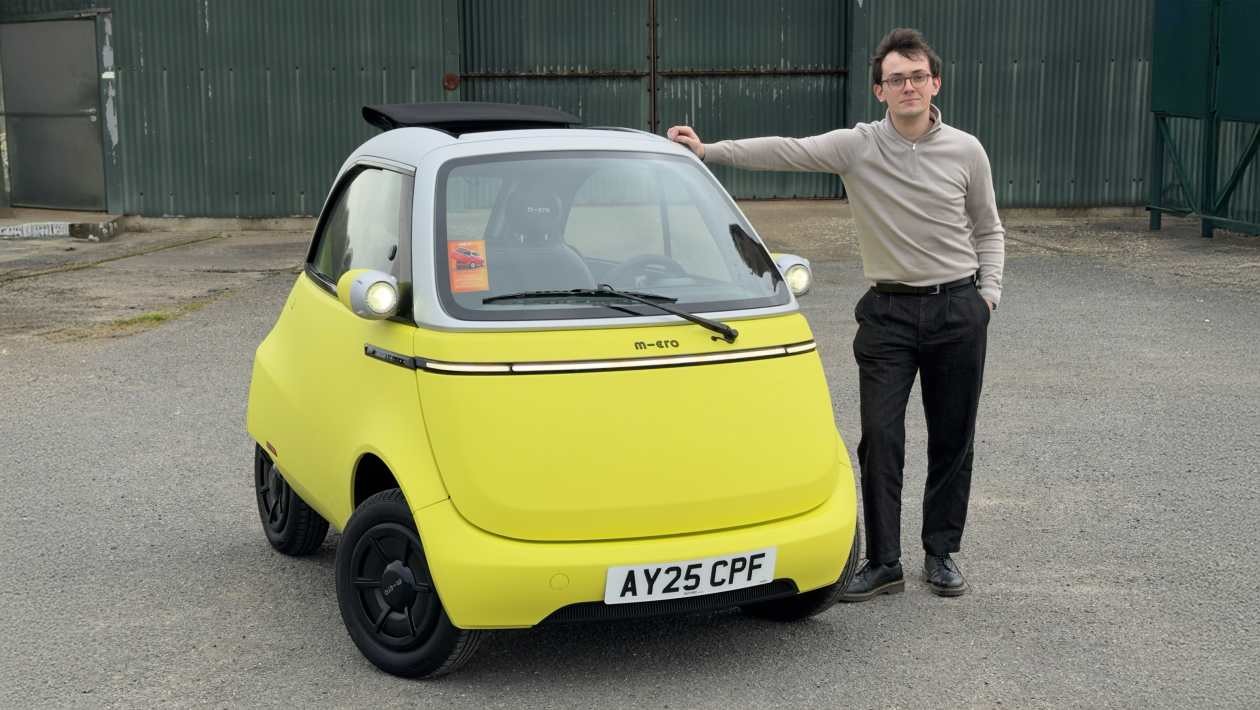
The Microlino is a vehicle that demands attention. With its retro, “bubble car” silhouette, it is designed to turn heads and spark conversations. However, as a practical tool for daily commuting, it presents a complicated proposition. While it excels in charm and aesthetic appeal, it struggles to justify its premium price tag when compared to more conventional small electric vehicles.
Understanding the “Quadricycle” Category
To understand the Microlino, one must first understand its classification. It is an electric quadricycle, a category of micro-mobility vehicles that sits between a traditional car and a moped. This distinction is crucial because it dictates the legal requirements for driving and the technical capabilities of the vehicle.
The Microlino is offered in two distinct configurations:
- Microlino Lite: Designed to comply with light quadricycle laws, this entry-level version starts at approximately £17,000. It features a 5.5kWh battery (59-mile range) and an 8bhp motor with a top speed of 28mph. With an optional battery upgrade, it can reach a 124-mile range, but requires only a moped license.
- Microlino Long Range: The more robust version starts at £21,500. It requires a full car license (B1) and is powered by a 15kWh battery and a 17bhp motor, offering a top speed of 56mph and a range of 142 miles.
Retro Design Meets Modern Quirks
Visually, the Microlino is a love letter to the 1960s, drawing heavy inspiration from the iconic BMW Isetta. It features a distinctive single front-opening door equipped with soft-close technology—a theatrical touch that adds to its character, even if the release button is somewhat hidden under the side mirror.
Inside, the experience is a mix of high-end touches and budget realities:
– The Good: Optional leather seats feel premium, and the digital instrument cluster provides a modern interface.
– The Bad: Much of the interior utilizes hard, scratchy plastics and fabric-wrapped materials that feel less “premium” than the price suggests.
– The Unusual: Rather than a traditional infotainment system, the Microlino relies on your smartphone. A dedicated cradle holds your device, which connects to a Bluetooth speaker in the cupholder to provide audio.
Performance and Practicality: The Urban Trade-off
The Microlino is purpose-built for short, urban hops, but this specialization comes with significant compromises.
Driving Dynamics:
The driving experience can feel unrefined. There is no power steering, making low-speed maneuvers laborious, and the steering lacks precision, which can be unsettling. On the road, the vehicle is noisy, and the suspension offers little cushion, meaning potholes and bumps are felt sharply throughout the cabin. While it is “nippy” in city traffic, it struggles significantly when tackling steep hills.
Space and Ergonomics:
The cabin is extremely tight. Accommodating a passenger requires an awkward, reaching posture, and the gear selector requires the brake to be depressed before it can be engaged. While it offers a 230-litre boot for charging cables, its overall utility is limited compared to standard city cars.
The Verdict: A Niche Lifestyle Choice
The Microlino is not a direct competitor to a standard hatchback; rather, it is a lifestyle accessory. For a buyer looking for an affordable, highly functional electric car, models like the Renault 5 or Fiat Grande Panda offer much better value and usability.
However, for the “eco-conscious executive” or those who prioritize personality and design over raw utility, the Microlino offers something rare: a vehicle that makes driving feel like a joyful, albeit quirky, event.
Summary: The Microlino is a charming, retro-styled micro-car that prioritizes character over comfort. While it lacks the refinement and practicality of a standard EV, its unique design makes it a compelling choice for those who view urban mobility as a statement of style.