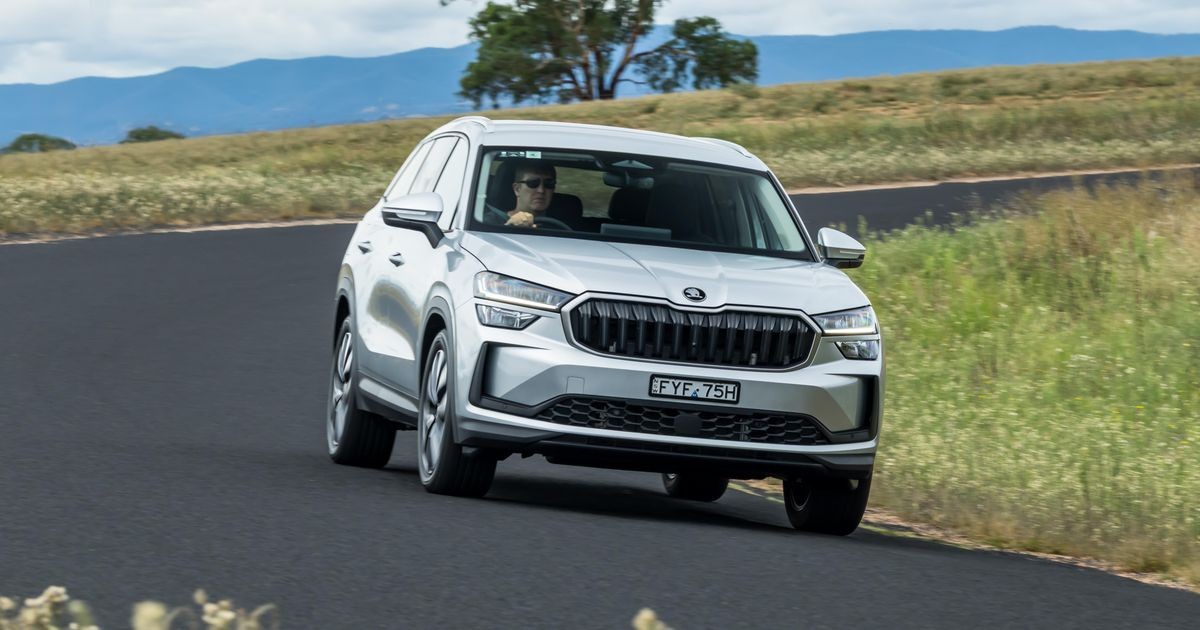
Australia is facing soaring fuel prices, and Skoda is responding with the 2026 Kodiaq Select PHEV. This plug-in hybrid SUV enters a crowded market, offering a blend of electric and gasoline power at a time when many drivers are feeling the pinch at the pump.
The Kodiaq PHEV doesn’t reinvent the wheel, but it delivers on practicality: it can run on electricity alone for daily commutes, then switch to gasoline when needed. This flexibility comes at a cost – $8,500 more than the standard model – and with trade-offs, including the loss of a third row of seats and all-wheel drive.
The question is simple: is it worth the extra expense and compromises? Let’s break down the Kodiaq PHEV and see where it stands against the competition.
Pricing and Competition
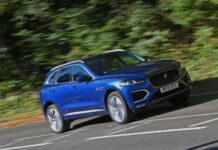
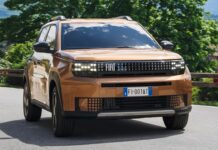
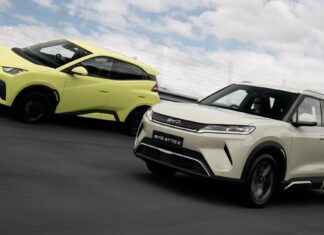
The Kodiaq Select PHEV fits neatly between the petrol Sportline and RS variants in Skoda’s lineup. Priced around $60,000, it competes directly with rivals like the Mitsubishi Outlander PHEV, BYD Sealion 8, and Chery Tiggo 9.
The market is saturated with PHEVs, many of which are cheaper. The Kodiaq doesn’t necessarily undercut the competition on price, but it does offer a premium feel for the money.
Interior and Technology
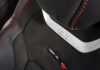
Inside, the Kodiaq Select PHEV maintains a high-quality feel. Leather upholstery, well-designed controls, and comfortable seats create a pleasant environment. The optional cognac interior adds a touch of luxury.
The infotainment system features a large 13-inch touchscreen and a 10-inch digital instrument cluster. The “Smart Dials” are a clever addition, simplifying climate and drive mode adjustments.
One notable drawback is the absence of connected services. Unlike many rivals, Skoda Australia doesn’t offer remote start, vehicle tracking, or over-the-air updates.
Performance and Efficiency
The Kodiaq PHEV combines a 1.5-liter petrol engine with an 85kW electric motor, delivering a combined output of 150kW and 350Nm of torque. It boasts an 110km electric range, exceeding some competitors like the Mitsubishi Outlander PHEV.
In practice, the PHEV excels in urban driving, minimizing fuel consumption when charged regularly. However, performance suffers when relying solely on electric power; acceleration feels sluggish, and repeated bursts drain the battery quickly.
The front-wheel drive layout limits traction, especially in wet conditions. While handling is tidy, it doesn’t match the confidence of all-wheel drive variants.
Practicality and Comfort
The Kodiaq PHEV sacrifices a third row of seats to accommodate the battery pack, reducing passenger capacity to five. However, the second row offers ample legroom and comfortable seating.
Cargo space is generous, though slightly less than the seven-seat version. The boot is wide, flat, and accessible via a power tailgate.
Ride comfort remains a strength, with the suspension absorbing bumps effectively. The cabin is quiet in electric mode, with smooth transitions between gasoline and electric power.
The Verdict
The 2026 Skoda Kodiaq Select PHEV is a pragmatic choice for buyers seeking fuel efficiency without sacrificing practicality. It’s not the fastest or most thrilling SUV, but it delivers a comfortable, well-equipped experience at a competitive price. The lack of connected services and front-wheel drive may deter some, but for many, the benefits of plug-in hybrid technology outweigh the drawbacks.
Ultimately, the Kodiaq PHEV is a sensible option in a crowded market, catering to those who want to hedge against rising fuel costs without fully committing to an electric vehicle.