BYD recently announced a groundbreaking charging system capable of adding 310 miles (500 km) of range in just five minutes. However, industry rival BMW questions whether this speed comes at the expense of battery health, safety, or long-term reliability. This debate highlights a key tension in the electric vehicle (EV) market: the push for faster charging versus the need for durable, stable battery technology.
The Race for Faster Charging
BYD claims its new 1,500 kW flash-charging system, used in the Denza Z9GT, achieves these speeds through a combination of high-power hardware and its second-generation Blade Battery. The system is designed to deliver extreme current, mimicking the refueling speed of a gasoline car. This is a significant step toward alleviating “range anxiety,” a major barrier to EV adoption.
BMW’s Counterpoint: Trade-offs Exist
BMW battery production boss Markus Fallböhmer cautions against prioritizing charging speed above all else. According to Fallböhmer, pushing for extreme charging rates inevitably requires compromises in other critical areas. “You always have to be careful with those kinds of announcements,” he stated, explaining that manufacturers can optimize for speed, but at the cost of battery life, efficiency, or affordability.
BMW’s Approach: Quality Over Speed
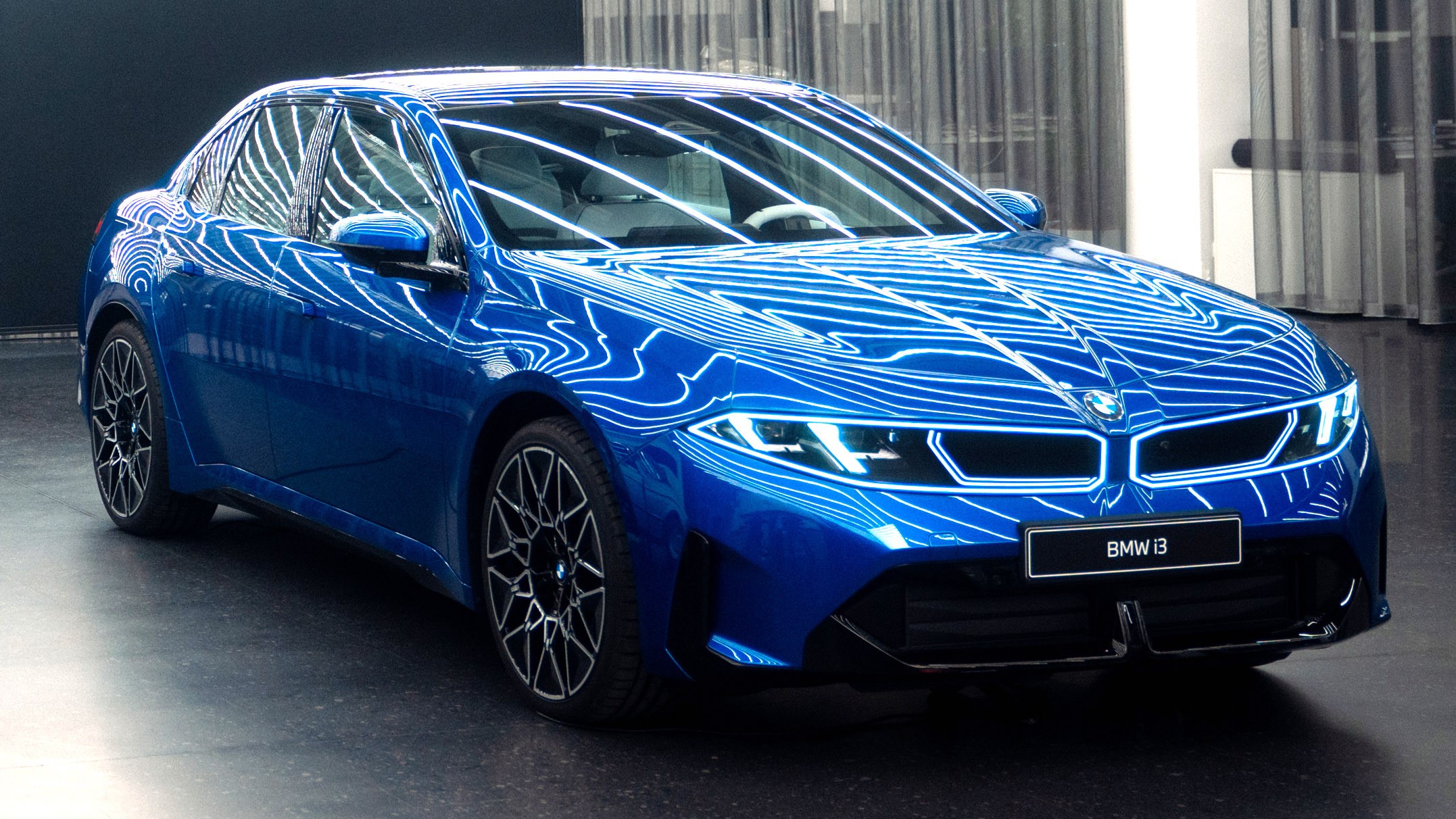
BMW’s current EVs, like the iX3 and new i3, support peak charging speeds of 400 kW, adding 250 miles (400 km) in roughly 10 minutes. The company maintains that this pace strikes a balance between convenience and reliability. BMW executives insist on guaranteeing “quality and safety” at these speeds, questioning whether BYD can match the same assurances.
The Bigger Picture: A Familiar Tech Race
The EV charging race mirrors similar dynamics in the smartphone industry, where Chinese manufacturers often lead the charge toward faster charging technologies. However, pushing charging speeds too aggressively can lead to thermal management issues and battery degradation. BMW appears to be taking a more conservative approach, prioritizing long-term battery health over headline-grabbing charging times.
The debate between BYD and BMW underscores that rapid charging is not just about speed, but about the trade-offs manufacturers are willing to make in pursuit of it. Ultimately, the future of EV charging will depend on whether consumers prioritize raw speed or long-term durability and safety.