The electric vehicle (EV) market in Australia has exploded in recent years, offering consumers more choices than ever. As a result, the bar for driving range has been constantly raised, and 2026 is no exception. Over 20 models now boast a range of at least 600km between charges, but a few stand out. This article details the EVs currently offering the longest ranges, providing key specs and context for potential buyers.
The Range Leaders: Top 10 EVs in Australia (2026)
The figures cited are based on the widely accepted WLTP testing cycle, ensuring fair comparison. Here’s a breakdown of the top contenders:
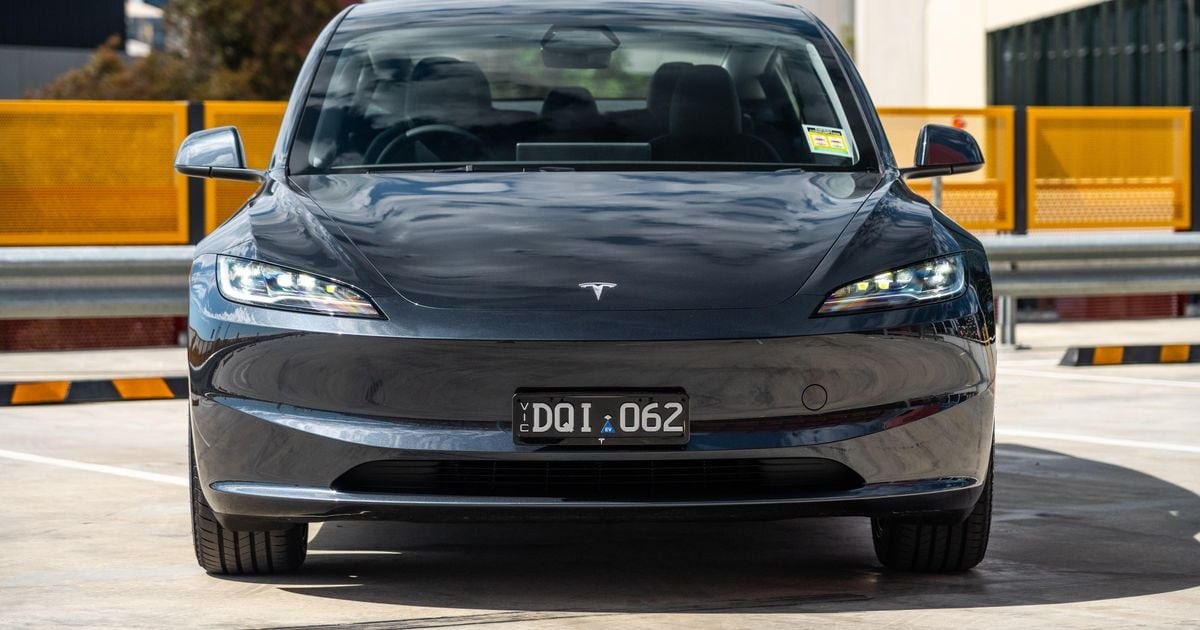
- Tesla Model 3 Long Range RWD (750km): Tesla remains at the forefront, with the updated Model 3 offering the longest range currently available in Australia. Priced at $61,990, it combines efficiency with respectable performance (0-100km/h in 5.2 seconds) and a five-star ANCAP safety rating.
- Volvo EX60 (810km): Volvo’s new EX60 sets a new benchmark for electric range, and will arrive in Australia in 2026.
- BMW iX3 (805km): BMW’s latest offering will also arrive in Australia in 2026.
- Polestar 3 Long Range Single Motor (706km): Polestar’s flagship SUV nearly matches Tesla, with a range of 706km and a price tag of $118,420. It has even set a range record of 935.44km in real-world testing, though acceleration is slower (7.8 seconds 0-100km/h). The Polestar 3 comes with a five-year, unlimited-kilometer warranty and free servicing for the first five years.
- Polestar 2 Long Range Single Motor (659km): The more affordable Polestar option delivers a solid 659km of range for $66,400. It’s quicker (6.2 seconds 0-100km/h) and more efficient than the larger Polestar 3, but servicing costs extra after the initial period.
- MG IM5 Platinum RWD (655km): MG enters the competition with a compelling offering: 655km of range for $69,990 drive-away. It outpaces the Model 3 in straight-line speed (4.9 seconds 0-100km/h), but comes with a seven-year warranty if serviced within the MG network.
- Porsche Macan Electric (641km): Porsche’s electric Macan matches Audi’s range, though with a shorter three-year warranty and no capped-price servicing. Priced from $128,400, it provides luxury performance but lacks the long-term ownership benefits of some rivals.
- Audi Q6 e-tron (641km): Sharing its platform with the Porsche Macan, the Q6 e-tron offers similar range with a longer five-year warranty and capped-price servicing. The purchase price includes a home charger and one-year public charging subscription.
- Porsche Taycan 4S (635km): Balancing range and performance, the Taycan 4S delivers 635km of range with a 3.7-second 0-100km/h sprint for $216,300. However, Porsche’s warranty remains short, and service pricing is not advertised.
- Mercedes-Maybach EQS 680 SUV (635km): The Maybach EQS prioritizes luxury, with a 635km range and a focus on premium features like air suspension, leather interiors, and rear-seat entertainment. It starts at $300,000.
- Renault Scenic E-Tech Long Range (625km): Renault returns with a new electric SUV, offering up to 625km of range in its Long Range trim for $59,990, making it one of the most affordable options on this list.
- BMW i7 xDrive60 (624km): BMW’s flagship electric sedan delivers 624km of range with rapid charging (10-80% in 34 minutes) and a 4.7-second 0-100km/h sprint. Priced from $233,787, it includes a five-year warranty and six years of free servicing.
What This Means for Buyers
The growing range of EVs in Australia presents a clear trend: electric cars are becoming increasingly capable and competitive. The gap between EV and gasoline vehicle range is narrowing, making EVs a viable option for more drivers.
However, factors beyond range are critical: purchase price, warranty, servicing costs, and charging infrastructure all play a role in the total cost of ownership. For long-distance drivers, range remains key, but for urban commuters, other factors may take precedence.
The arrival of new models like the Volvo EX60 and BMW iX3 in 2026 will further intensify competition, potentially driving down prices and improving overall value for consumers.