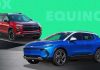
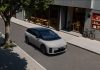
Rivian is expanding its electric vehicle lineup with the R2, a new SUV designed to hit a wider market segment. While the R1S and R1T have established the brand, the R2 aims to bring Rivian’s design and tech to a more accessible price point—starting around $47,000. This move is critical as competition in the electric SUV space intensifies, with rivals like Tesla and Ford already holding significant market share.
Positioning and Target Market
The R2 is sized similarly to popular compact crossovers, such as the BMW X3 and Hyundai Tucson, but distinguishes itself with an all-electric powertrain and Rivian’s signature rugged aesthetic. This positions the R2 directly against models like the Ford Mustang Mach-E and Tesla Model Y, forcing Rivian to compete on price, range, and features.
Powertrain Options and Performance
Rivian will offer the R2 in single-, dual-, and tri-motor configurations. The dual-motor variant is expected to deliver around 656 horsepower, while the high-performance tri-motor setup could achieve 0-60 mph in under 3.0 seconds. The choice of two battery sizes will cater to different driving needs, with the larger pack promising over 300 miles of range in single-motor configuration.
Interior and Tech Features
The R2’s interior mirrors the design language of the R1S and R1T, featuring a minimalist yet functional cabin. A central 15.6-inch touchscreen dominates the dashboard, controlling many vehicle functions. Rivian has also focused on practical storage solutions, including extra cubby spaces and a second glovebox. Accessories like a rooftop tent (Rivian Treehouse) and travel kitchen further enhance the R2’s adventure-ready appeal.
Charging and Range Expectations
Rivian estimates the R2 with the larger battery pack will exceed 300 miles of range. The charging system is designed for fast DC charging, potentially allowing for 10-80% replenishment in under 30 minutes. While official EPA ratings are pending, the R2’s lighter weight and smaller size could result in higher efficiency compared to the R1S.
Safety and Reliability
The R2 will come standard with an advanced suite of driver-assistance features, including automated emergency braking, lane-keeping assist, and adaptive cruise control. The vehicle is equipped with 11 cameras and five radar sensors to ensure robust safety performance. Rivian’s warranty also provides comprehensive coverage: five years/60,000 miles bumper-to-bumper and eight years/175,000 miles for the battery and drivetrain.
Implications and Future Outlook
The R2 is a pivotal model for Rivian, as it demonstrates the company’s commitment to scaling production and reaching a broader customer base. The price point undercuts many competitors, potentially making Rivian a more competitive force in the electric SUV market. As demand for EVs continues to grow, the R2 positions Rivian for sustained success, but challenges remain in ensuring supply chain stability and maintaining brand loyalty.