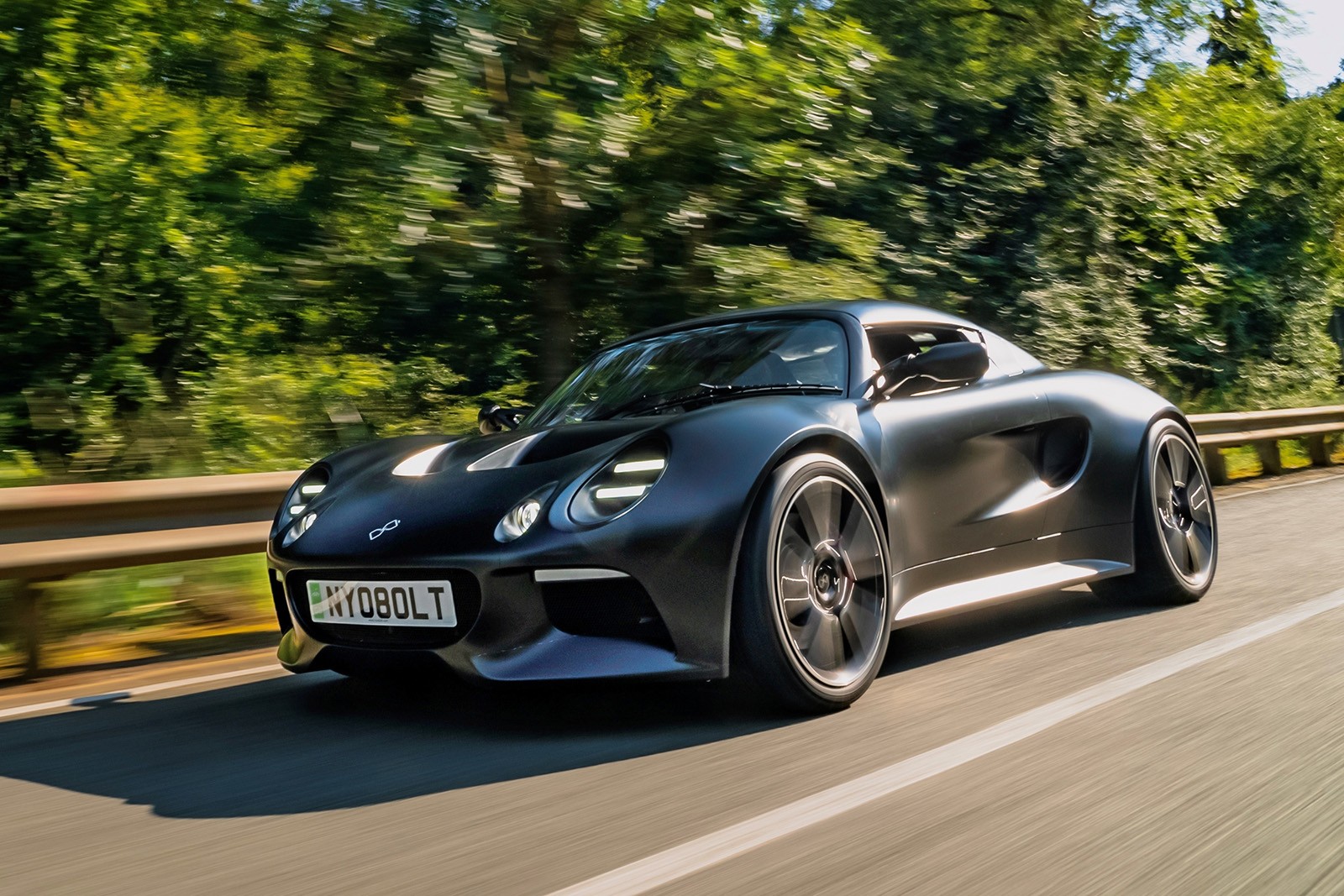
A new electric vehicle prototype from Nyobolt, resembling a Lotus Elise, is challenging conventional wisdom about EV charging times. The car demonstrated a charge from 10% to 80% in just 4 minutes and 37 seconds, a speed that rivals or surpasses filling a petrol tank.
The Speed Barrier in EV Adoption
One of the biggest hurdles to widespread electric vehicle adoption is the time it takes to recharge batteries. While EVs offer environmental and economic benefits, the inconvenience of long charging stops remains a major concern for potential buyers. Nyobolt’s technology directly addresses this issue by showcasing a 35kWh battery capable of accepting up to 350kW of charging power – a “10C” capability.
What Does “C-Rating” Mean?
The battery’s “C-rating” is a measure of how quickly it can charge or discharge relative to its capacity. A 1C rating means a full charge or discharge in one hour, while 10C signifies ten minutes. Nyobolt’s prototype excels because it maintains low internal resistance, minimizing heat generation and eliminating the need for complex cooling systems.
By contrast, many EVs with similar charging capabilities, like the Hyundai Ioniq 5, operate closer to a 3C rating in real-world scenarios.
How Nyobolt’s Technology Works
The key to Nyobolt’s breakthrough lies in the composition of its battery cells. The company has developed a unique anode material that reduces electrical impedance, allowing for faster charging without overheating. According to Shane Davies, director of vehicle battery systems at Nyobolt, the innovation “is all based around the cell level… resulting in very, very low impedance.”
This allows for a smaller battery to be used in the sports car without sacrificing range. The Nyobolt prototype delivers 470bhp and a 0-62mph time under 4 seconds.
Implications and Future Prospects
While this technology is currently demonstrated in a high-performance prototype, it has the potential to reshape consumer perceptions of EVs. Though the car itself may not be mass-produced, the charging innovation could influence future EV development.
The speed of charging is no longer a fundamental limitation. With breakthroughs like Nyobolt’s, electric vehicles can become more competitive with traditional gasoline cars in terms of convenience and usability.