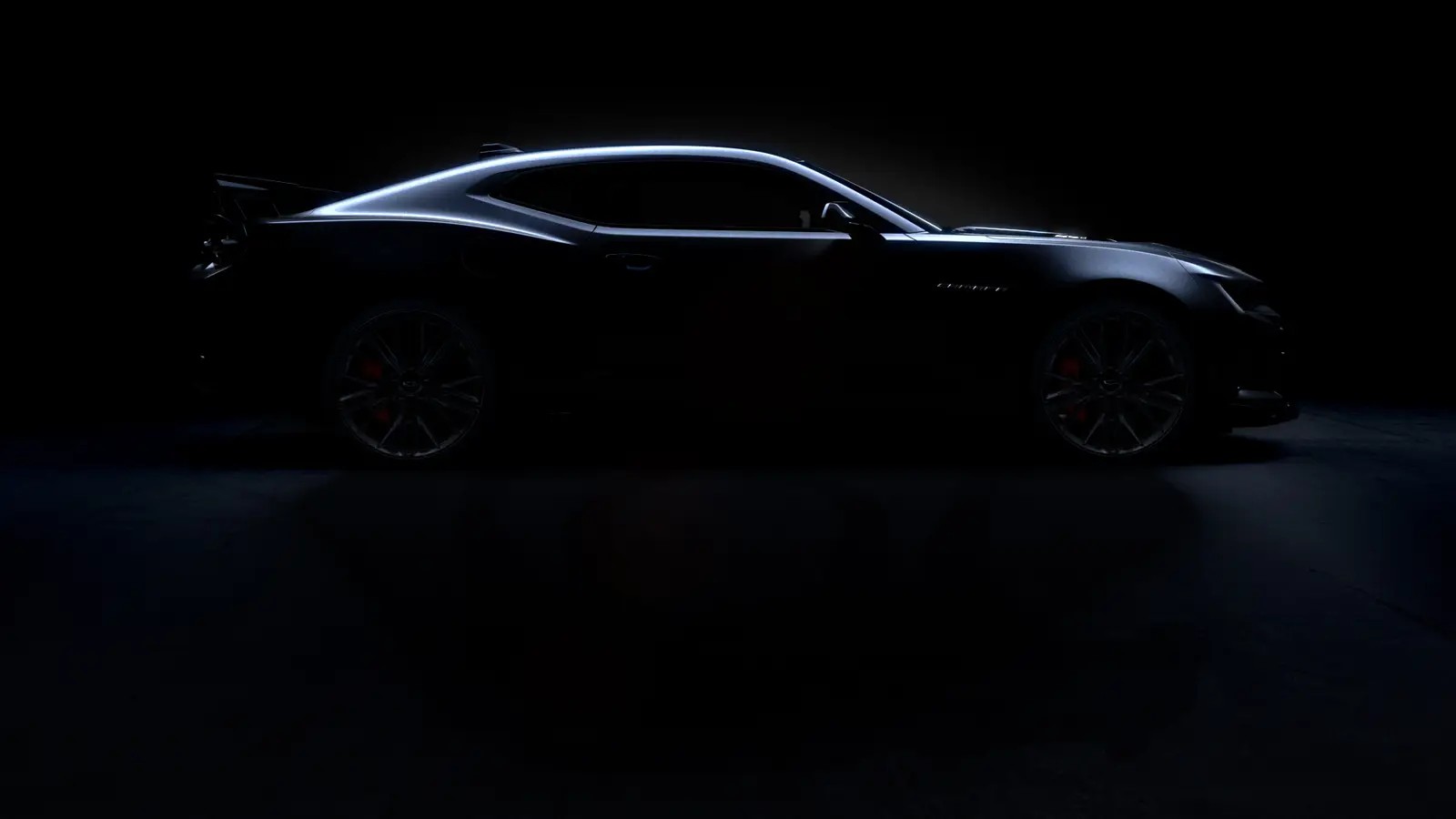
General Motors is signaling a massive resurgence in American performance. Following the global success of the mid-engine C8 Corvette and the high-performance Cadillac V-Series, GM is reportedly preparing to revive one of its most storied nameplates: the Chevrolet Camaro.
After the original Camaro line quietly exited the market in 2023, its absence left a significant void in the “pony car” segment. Now, reports suggest that the successor to this icon has been officially greenlit, marking a new chapter for American muscle.
Production Details and Technical Foundations
According to reports from Automotive News and GM Authority, the new model is slated to begin production in late 2027. Manufacturing is expected to take place at the Lansing Grand River plant, the same facility that produced the previous generation of Camaros.
While specific performance figures remain under wraps, we have a clear indication of the vehicle’s mechanical DNA:
- The Platform: The successor will utilize the Alpha 2 platform. This architecture is already proven in high-performance luxury vehicles like the Cadillac CT5, which is celebrated for its handling and power.
- Versatility: The Alpha 2 platform offers significant flexibility. This means the new Camaro could range from a high-output enthusiast model to a more accessible, turbocharged entry-level version.
- Engine Potential: While GM has not confirmed specifications, the company’s current engine lineup offers several possibilities. This includes proven V8 engines—ranging from naturally aspirated to supercharged configurations—or potentially even the new 6.7-liter V8 seen in recent Corvette developments.
The Big Question: What Will the “Camaro” Look Like?
The most intriguing aspect of this revival is the uncertainty regarding the vehicle’s shape. Industry insiders have hinted that the replacement “might not be exactly what you would expect.”
This has sparked intense speculation within the automotive community. One prominent theory is that the new Camaro could transition from a traditional two-door coupe to a four-door sedan.
This shift would mirror the strategy used by the Dodge Charger, which successfully carved out a niche as a “muscle sedan,” providing both high performance and increased practicality.
However, a move toward a four-door configuration is a risky gamble. For many enthusiasts, the identity of a pony car is inextricably linked to its two-door, sporty silhouette. If GM chooses to move toward a sedan format, the success of the project may depend on whether they also offer a traditional coupe variant to satisfy purists.
Why This Matters: The High Stakes of the Muscle Car Market
The timing of this reboot is critical. The American performance market is currently in a state of flux as manufacturers navigate the difficult transition from internal combustion engines (ICE) to electric vehicles (EV).
We are seeing a “tug-of-war” in real-time:
– The EV Push: Many brands are moving toward electrification, sometimes to the chagrin of traditional buyers.
– The Enthusiast Backlash: Recent moves, such as Dodge’s introduction of the electric Charger Daytona, have met with mixed reactions, prompting brands to reconsider their strategies to avoid alienating their core customer base.
For Chevrolet, the mission is clear: they must deliver a vehicle that honors the Camaro’s heritage while navigating the modern demands of performance and technology.
Conclusion
The upcoming 2027 Camaro revival represents GM’s attempt to reclaim its dominance in the performance sector. Whether it arrives as a traditional coupe or a modern sedan, its ability to balance innovation with enthusiast expectations will determine its legacy.