Porsche has reported a difficult opening to 2026, with global vehicle deliveries falling 15% in the first quarter compared to the same period last year. The luxury automaker delivered 60,991 vehicles worldwide between January and March, a decline driven by cooling demand for electric vehicles (EVs), strategic gaps in their product lineup, and significant headwinds in key international markets.
A Fragmented Product Lineup
One of the primary drivers of the sales slump is a temporary “void” in Porsche’s entry-level segment. The production of the gasoline-powered Boxster and Cayman has concluded, yet their electric successors have faced delays.
The delay of a new shared platform—intended for both Porsche and Audi—has left the brand without a competitive offering in this specific niche. This gap in the lineup means Porsche is currently missing out on a segment of customers who are not yet ready to transition to fully electric models but want something more accessible than the flagship 911.
Regional Headwinds: China and North America
The decline is most pronounced in the markets that historically fueled Porsche’s growth:
- China: Deliveries plummeted by 21%, with only 7,519 vehicles sold. The Chinese market is currently defined by fierce price wars and the rapid rise of highly competitive local EV brands. Porsche has resisted heavy discounting to protect its premium brand image, but this strategy has led to a noticeable loss in market share. The Taycan, Porsche’s flagship electric sedan, has seen a near-total disappearance in China, with fewer than 50 units registered in early Q1.
- North America: Sales fell by 11%, with 18,344 units delivered. Beyond softening demand, Porsche faces a structural profitability issue in the U.S.: because all models are imported from Europe, high tariffs and logistics costs are squeezing profit margins.
The EV Transition and the Macan Dilemma
Porsche is currently navigating a difficult “middle ground” in its transition to electrification. The company’s aggressive push toward EVs, spearheaded under former CEO Oliver Blume, is meeting a reality where consumer demand for electric models is cooling globally.
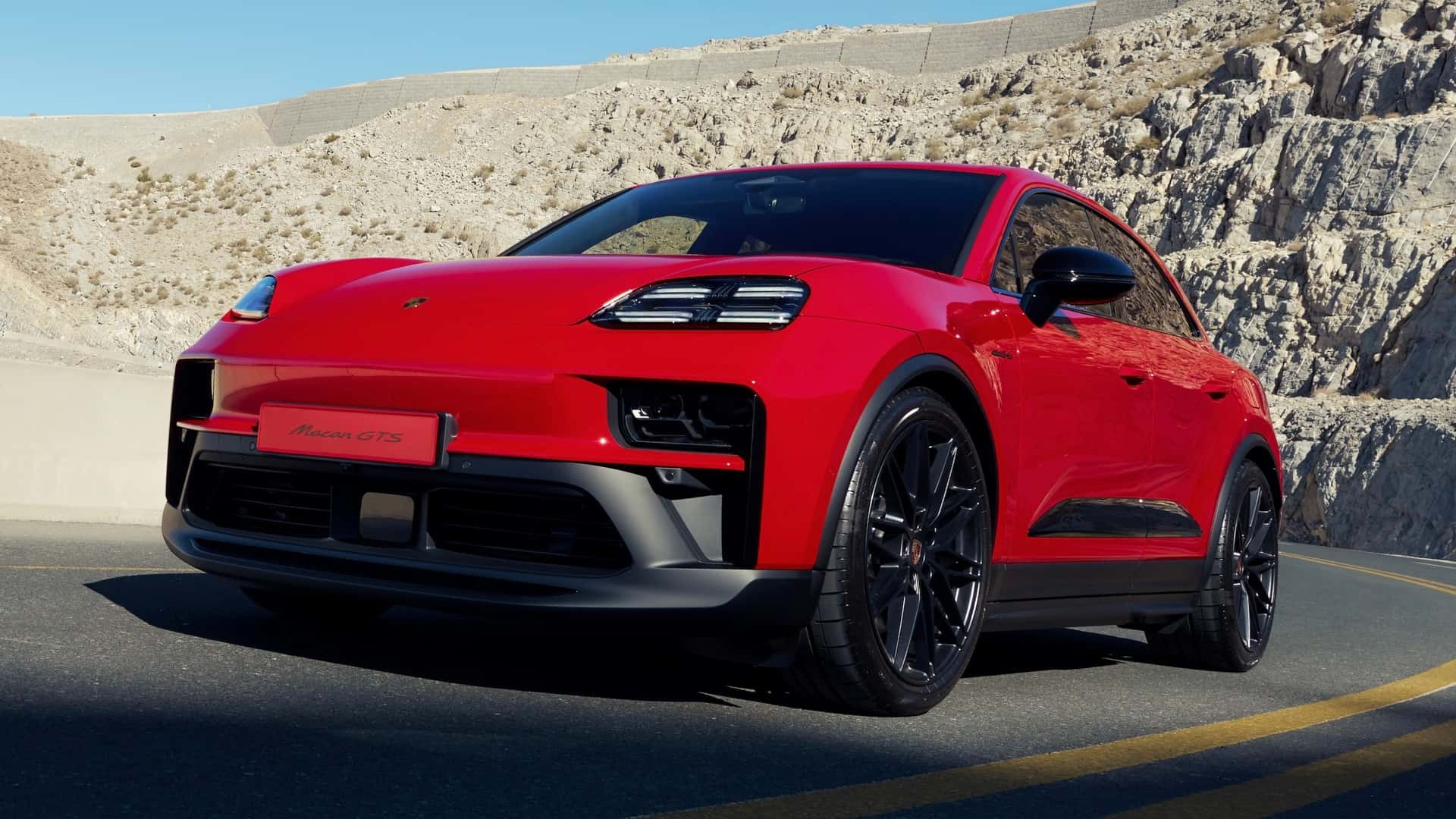
The Macan —a cornerstone of Porsche’s volume—saw sales drop by 23%. This decline is a result of several converging factors:
1. The transition from the popular gasoline-powered Macan to the new electric version.
2. The expiration of various EV and hybrid tax incentives.
3. A strategic decision in Europe to discontinue the combustion-engine Macan to comply with strict EU emissions standards, leaving a gap for customers who still prefer internal combustion engines.
Bright Spots and Financial Realities
Despite the overall decline, the 911 remains a pillar of strength for the brand. Sales of the iconic sports car rose by 22% to 13,889 units, proving that there is still robust, resilient demand for Porsche’s traditional high-performance heritage.
However, the financial implications of these trends are stark. Following a massive drop in profit after tax—which fell from nearly €3.6 billion in 2024 to €310 million —the company is undergoing a significant course correction. Porsche has acknowledged that its previous electrification targets were overly ambitious and is now recalibrating its strategy.
Looking Ahead
The company is pinning much of its recovery hopes on upcoming releases, most notably the all-electric Cayenne, which is expected to begin rolling out this summer. If the Cayenne EV can capture the interest of the luxury SUV market, it may provide the momentum needed to stabilize the brand’s finances.
Porsche is currently in a period of strategic recalibration, attempting to balance its high-performance heritage with a much more difficult and slower-than-expected global transition to electric mobility.
In summary, Porsche is navigating a perfect storm of product gaps, shifting consumer preferences in China, and a cooling EV market, leaving the brand reliant on its classic models and upcoming electric SUVs to regain its footing.