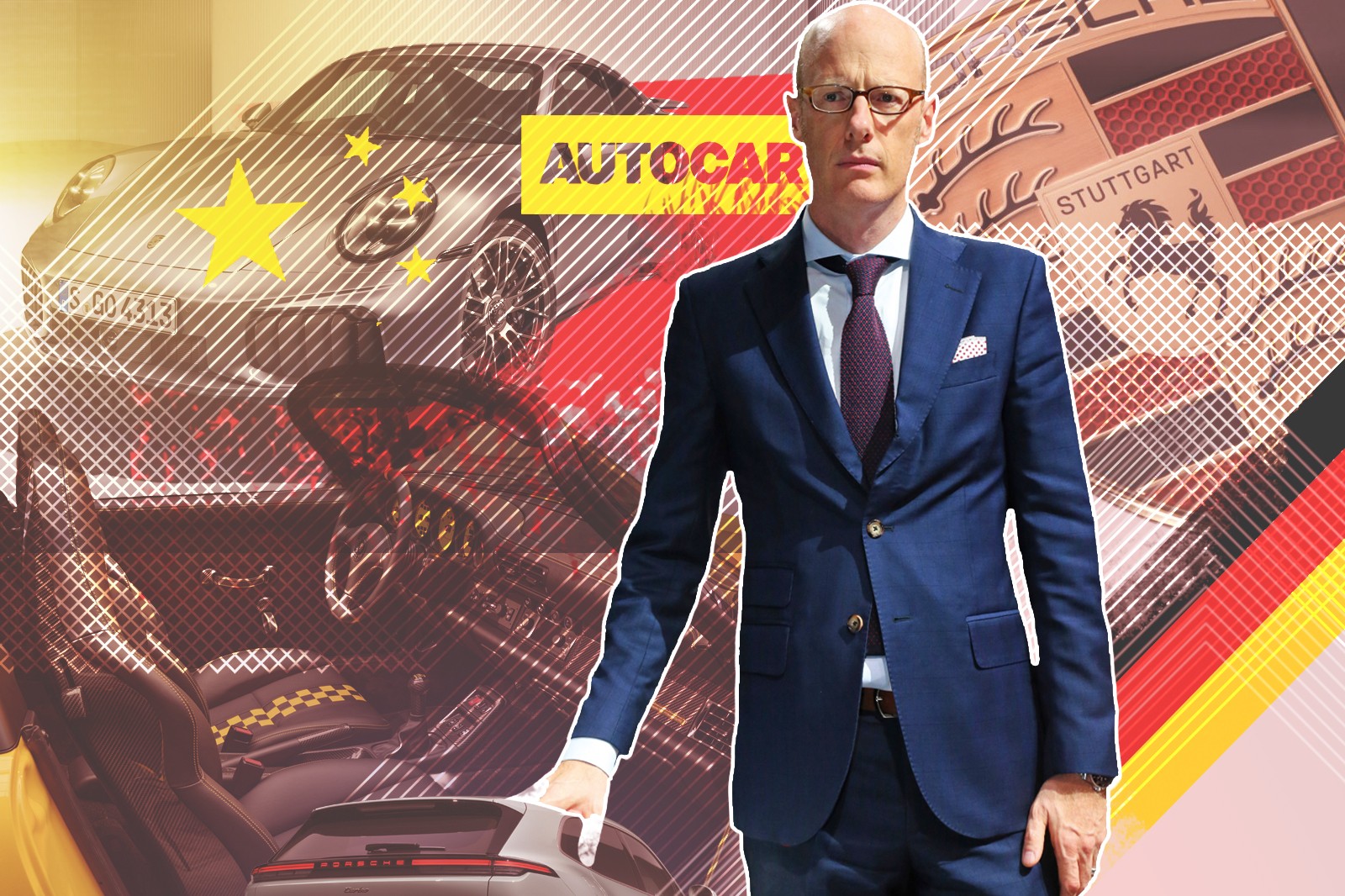
Porsche, as it currently operates, was constructed on the foundations of a now-obsolete global order. A world of open trade, harmonizing regulations, and Germany’s technological edge allowed the company to command premium pricing. However, this stability has fractured, forcing Porsche to rapidly adapt.
The Disruption of Free Trade
The most immediate blow came from tariffs imposed by former US President Donald Trump. These measures cost Porsche an estimated €700 million in the last fiscal year alone. This represents a direct financial hit, demonstrating how quickly geopolitical shifts can impact even the most established luxury brands. The reliance on free trade, once a given, is no longer a certainty.
The Shifting Sands of Electrification
Beyond tariffs, Porsche’s long-term strategy of leading in the electric vehicle market is also under pressure. The US, previously a key market for electrification, has seen a rollback in environmental regulations. This means Porsche’s investment in electric technology may face headwinds in a major market. This divergence in policy forces the company to re-evaluate its global strategy.
Implications for Porsche’s Future
The changes detailed above are not isolated incidents; they signal a broader trend toward economic nationalism and regulatory fragmentation. Porsche must now navigate a world where its historical advantages are eroding. This will require the company to diversify markets, hedge against political instability, and potentially accelerate its shift to a more adaptable, regionalized production model.
In conclusion, Porsche is confronting a new reality where geopolitical volatility and shifting regulations demand a fundamental re-evaluation of its business model. The era of frictionless global commerce is over. The company’s ability to adapt will determine its success in the coming years.