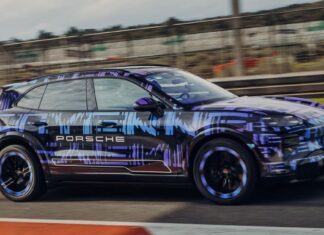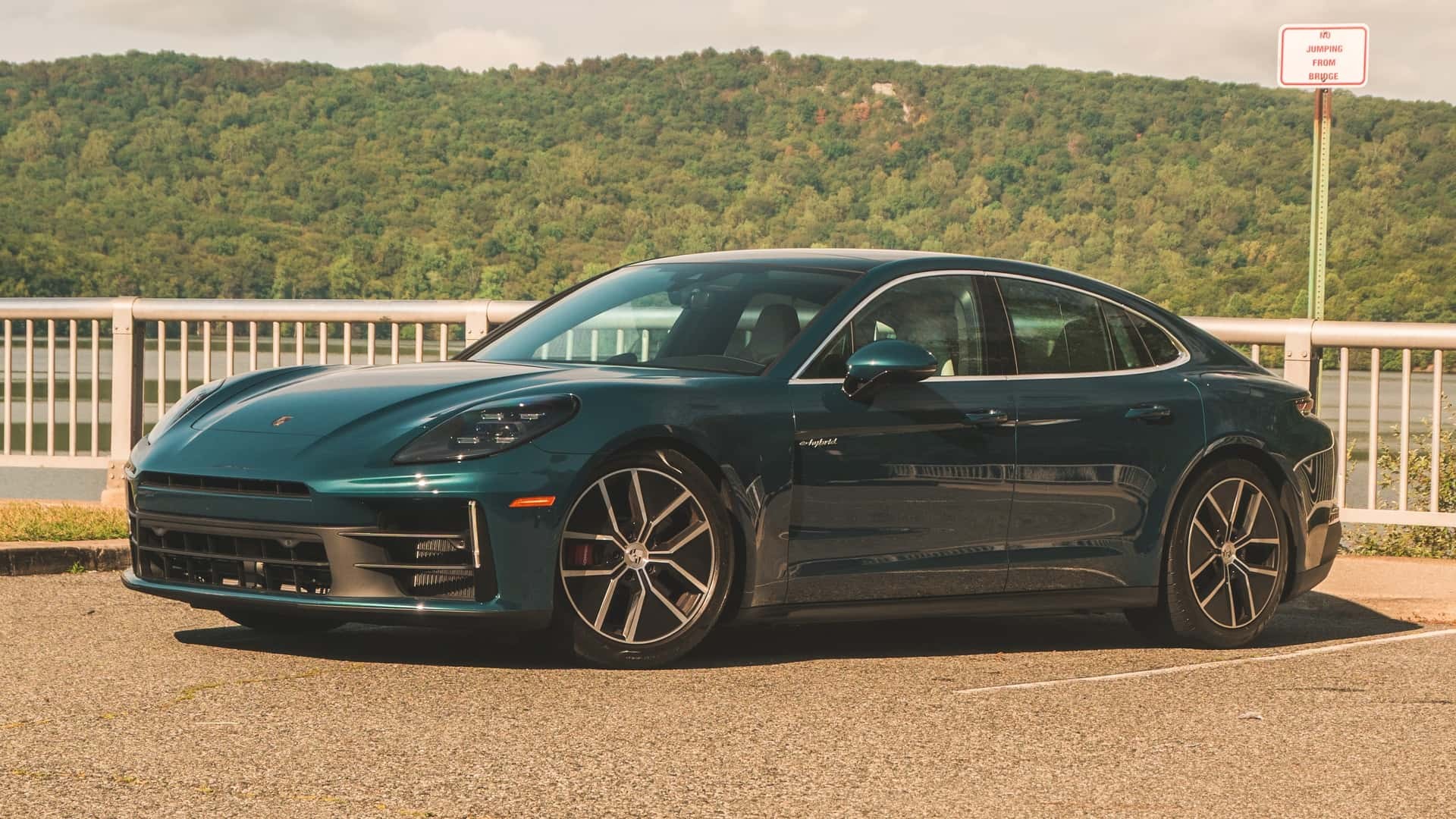
Porsche is evaluating a significant restructuring of its lineup, with the potential to combine its Taycan electric vehicle and Panamera grand tourer into a single model. This move, spearheaded by CEO Michael Leiters, aims to cut costs amid declining sales and increased competition, particularly in the crucial Chinese market.
Sales Decline and Market Pressures
Porsche has experienced two consecutive years of sales decline, falling 10% in 2025 after a 3% drop in 2024. The situation is especially severe in China, where demand has plummeted by double-digit percentages for three straight years. This pressure is forcing Porsche to reassess its product strategy, as domestic Chinese automakers aggressively compete with cheaper, tech-heavy EVs.
The brand’s reputation alone isn’t enough to maintain dominance. Chinese buyers are increasingly favoring local alternatives, and Porsche needs to adapt quickly.
Strategy Shift: Internal Combustion and Electric Coexistence
Porsche’s recent decisions reflect a broader shift towards maintaining both internal combustion engine (ICE) and electric vehicle options across several model lines. The Macan crossover, Boxster, and Cayman will all continue with gas-powered variants alongside their EV counterparts. The three-row SUV will launch with combustion engines despite initial plans for an EV-only release.
The electric Cayenne is now available alongside the gas-powered version, signaling a willingness to cater to diverse consumer preferences. This dual approach may soon extend to the Taycan and Panamera.
Merging the Two Models: Why It Makes Sense
Merging the Taycan and Panamera would reduce development and production costs significantly. The two vehicles currently serve distinct customer bases—ICE vs. EV—but Porsche believes a unified model could share more components and streamline operations.
The Panamera name is more likely to survive the merger, given its longer history and stronger brand recognition. Though the Taycan has been around since 2019, it has failed to gain the same market traction. Porsche recognizes the value of established branding, especially as the EV market becomes more crowded.
The Future of Electric Vehicles at Porsche
Porsche is facing tough choices about its electric strategy. While the company is developing new models, the global luxury EV market isn’t growing as quickly as anticipated. Investing heavily in an electric Panamera may not be a top priority when compared to other projects, such as hybrid and gas-powered vehicles.
However, Porsche has committed to keeping the V8 engine in the Panamera well into the 2030s, reassuring loyal ICE customers. This suggests Porsche is not abandoning combustion engines entirely, even as it pushes towards electrification.
The global automotive landscape is shifting rapidly, and Porsche must adapt to remain competitive. Consolidating the Taycan and Panamera is a logical step towards cost efficiency and market resilience.
The situation is urgent; if Porsche doesn’t act, it risks falling behind in the world’s largest car market. The company needs a decisive strategy to ensure it remains relevant in a rapidly evolving industry.