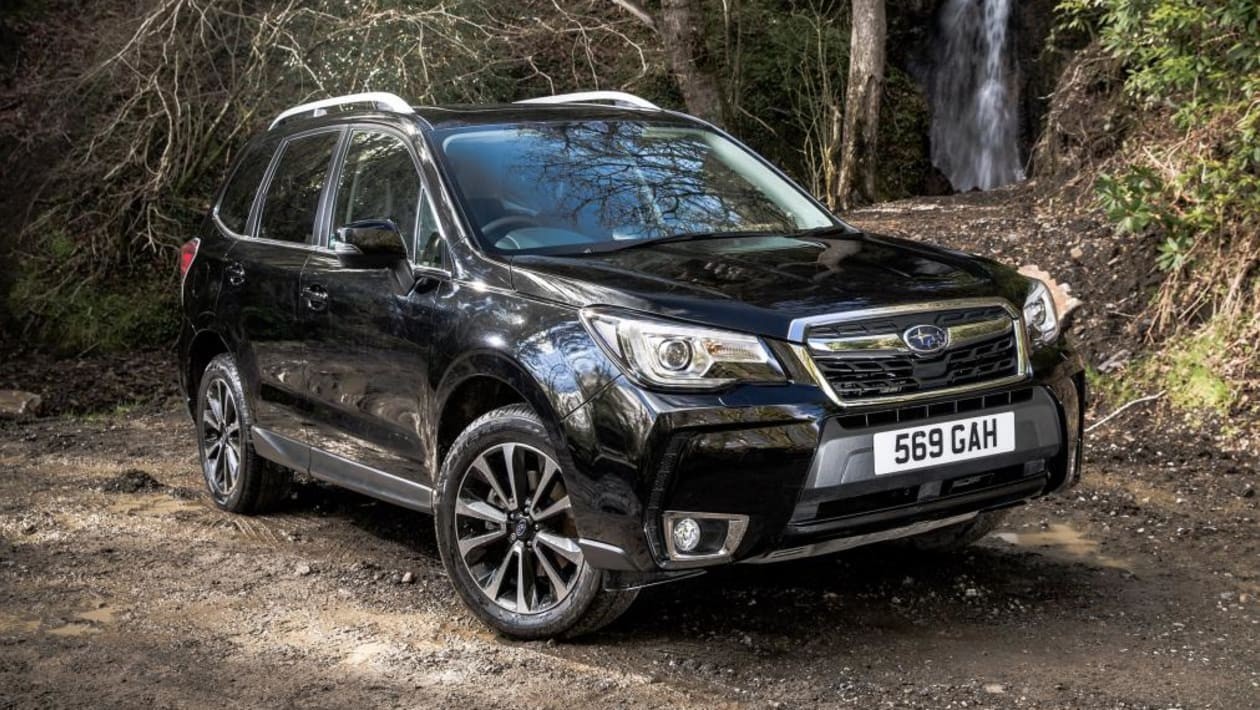
The Subaru Forester, particularly the fourth generation (2013-2018), stands out not for dynamic flair but for reliability, safety, and off-road capability. While rivals offer a more rounded driving experience, the Forester remains a strong choice for buyers prioritizing durability and practicality. It’s a niche product, representing just 0.1% of the UK market during its run, but for those in the know, it’s a dependable, if somewhat understated, vehicle.
A Legacy of Toughness
Subaru’s reputation for robust cars began in the 1970s, with a focus on four-wheel drive and occasional performance variants like the turbocharged Impreza. The Forester, introduced in 1997, quickly became a popular model for those needing space, durability, and all-weather traction. The Mk4 Forester built on this legacy, becoming Subaru’s best-selling model in the UK, despite remaining a relatively uncommon sight on roads.
Model Options and Engine Choices
The 2013-2018 Forester offered two main engine options: a 2.0-liter petrol and a 2.0-liter diesel. The petrol came in naturally aspirated (148bhp) and turbocharged (237bhp) variants. The base petrol and diesel were paired with a six-speed manual gearbox, while the naturally aspirated petrol and turbo versions could be equipped with Subaru’s Lineartronic CVT automatic. A rare diesel-CVT combination also existed.
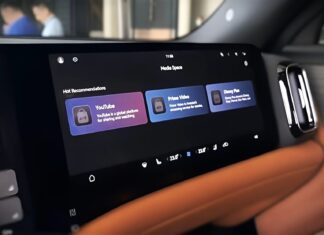
In 2015, Subaru upgraded the interior with a touchscreen infotainment system and improved trim materials. Further refinements followed in 2016, including suspension recalibration. The fifth-generation Forester arrived in 2019, replacing this model.
Which Forester Should You Buy?
For running costs, the diesel is the most sensible choice. The petrol units are smooth, but the turbocharged XT version comes with higher fuel and insurance expenses. A manual gearbox is preferable; the CVT isn’t particularly engaging, though paddle shifters can simulate a manual experience if desired.
Standard equipment includes climate control, 17-inch alloys, Bluetooth, and roof rails. Higher trims (XE, XE Premium) add features like automatic lights/wipers, power-folding mirrors, sunroof, power driver’s seat, rear camera, and cruise control. The Lineartronic XE adds 18-inch wheels, privacy glass, keyless entry, and a powered tailgate.
Alternatives to Consider
The Forester competes with popular SUVs like the Nissan Qashqai, which is a well-rounded all-rounder but may lack Subaru’s legendary reliability. The Ford Kuga offers a more engaging driving experience, while the Mazda CX-5 stands out for its sharp handling and quality interior. The Volkswagen Tiguan and Audi Q3 provide user-friendly cabins and strong engines, though at a higher price point. Don’t overlook the Toyota RAV4 and Honda CR-V, with the latter also available as a seven-seater.
Key Things to Look For
- CVT Transmission: Foresters with the Lineartronic transmission include paddle shifters and hill descent control.
- Stop/Start System: Available only on non-turbo petrol versions for fuel savings.
- EyeSight Safety Suite: Introduced in 2017, this system enhances accident prevention.
- Permanent Four-Wheel Drive: Unlike some rivals, the Forester offers consistent all-wheel drive for superior traction but lower fuel economy.
- Interior Condition: Early models may feel dated; later updates improved materials and design.
Reliability and Running Costs
Subaru provided a five-year/100,000-mile warranty, above average for the segment. Service intervals are annual or every 12,000 miles (10,000 for the XT). Coolant renewal is required every 100,000 miles, and brake fluid every two years.
The Forester has been subject to five recalls: cracked air intakes (2016), faulty airbags (2018), hydraulic pipe rubbing (2019), substandard valve springs (2019), and a brake-light switch issue (2019).
Despite these recalls, owner satisfaction is high. The Forester consistently scored well in Driver Power surveys, particularly for safety, ride quality, and interior comfort.
Final Verdict
The Subaru Forester (2013-2018) isn’t the most exciting SUV on the market, but it excels in dependability and practicality. If you prioritize a robust, capable vehicle at the right price, the Forester is worth considering. Just be sure to compare it with its rivals before making a decision.
This model delivers what it promises: a durable, safe, and capable SUV that won’t let you down.