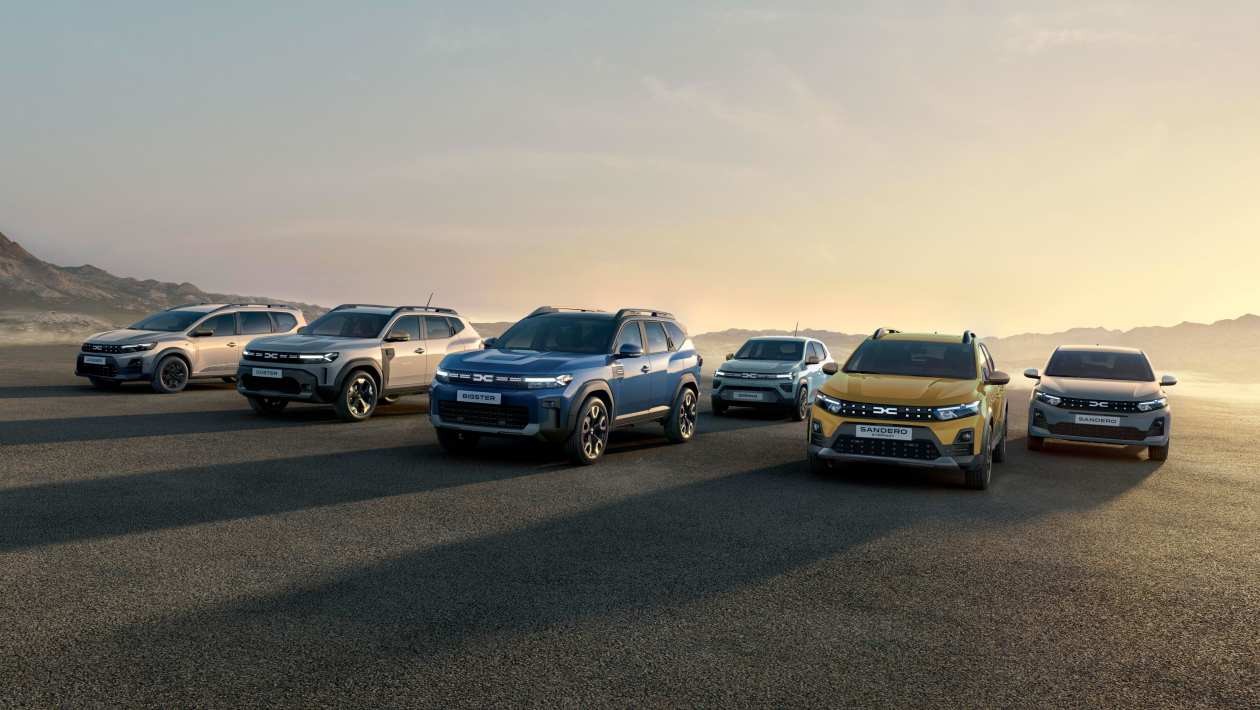
Dacia is capitalizing on strong momentum—having recently achieved victory at the 2026 Dakar rally and selling nearly 700,000 cars last year—but recognizes the need for greater traction in the UK market. The brand aims to significantly increase electric vehicle (EV) sales through a series of launches, including a refreshed Spring EV, three new hybrid models, and a novel estate car complementing its existing Bigster SUV.
Revitalizing the Spring: A Short-Term Boost
Dacia will release an updated Spring EV in March, priced from £12,240 with a £3,750 brand-funded discount. This move seems counterintuitive given the upcoming successor model, but Dacia cites the need to maintain used car values, meet emissions targets, and bridge the gap while ramping up production of the next-generation EV.
The revised Spring will feature a more rigid lithium iron phosphate battery, improved suspension, faster DC charging (now up to 40kW), and more powerful engine options (69 or 99bhp).
Next-Generation Spring EV: Under €18,000
A fully redesigned Spring EV is slated for release in late spring, aiming for a price tag under €18,000 (approximately £15,000). Production will occur in Europe alongside the Renault Twingo, enabling Dacia to benefit from “super-credits” towards emissions compliance and avoid tariffs on Chinese-built EVs.
The new model will be wider than its predecessor, enhancing interior space and stability. Range is expected to exceed 124 miles, potentially surpassing 150 miles with a 27.5kWh battery shared with the Twingo. This expansion of EV offerings will allow Dacia to meet ZEV mandates and avoid penalties for missing emissions goals.
Sandero Hybrid: Electrification of Dacia’s Best-Seller
The Sandero, Europe’s top retail car in 2025, will receive a hybrid variant in late 2026. This delay was strategic, as Dacia waited for hybrid demand to mature. The Sandero Hybrid will utilize the Hybrid 155 system, providing electric driving for at least 60% of urban commutes.
Hybrid sales across Dacia’s lineup doubled in 2025, with the Jogger, Bigster, and Duster leading the charge. This demonstrates growing consumer interest in electrified options.
Expanding Beyond SUVs: A New Estate Model
Dacia will introduce an estate car—internally dubbed “C-Neo”—to complement its existing SUV and MPV offerings. This model shares its platform and engines with the Bigster, but promises a more dynamic silhouette than traditional station wagons. Dacia aims to broaden its customer base with this unconventional design.
Hybrid 4×4 Models: Conquering Northern Europe
Dacia will also release hybrid 4×4 versions of the Duster and Bigster in autumn. These models combine the Hybrid 155 system with an electric rear axle, offering all-wheel drive capability and reduced CO2 emissions compared to traditional mechanical 4×4 systems. This is intended to appeal to markets where all-wheel drive is essential, particularly in Northern Europe.
Dacia’s aggressive expansion plan is designed to solidify its position as a leading retail brand in Europe. The combination of affordable EVs, hybrid options, and a diversified product lineup will allow the brand to meet stringent emissions standards, capture new customer segments, and drive sustainable growth.