


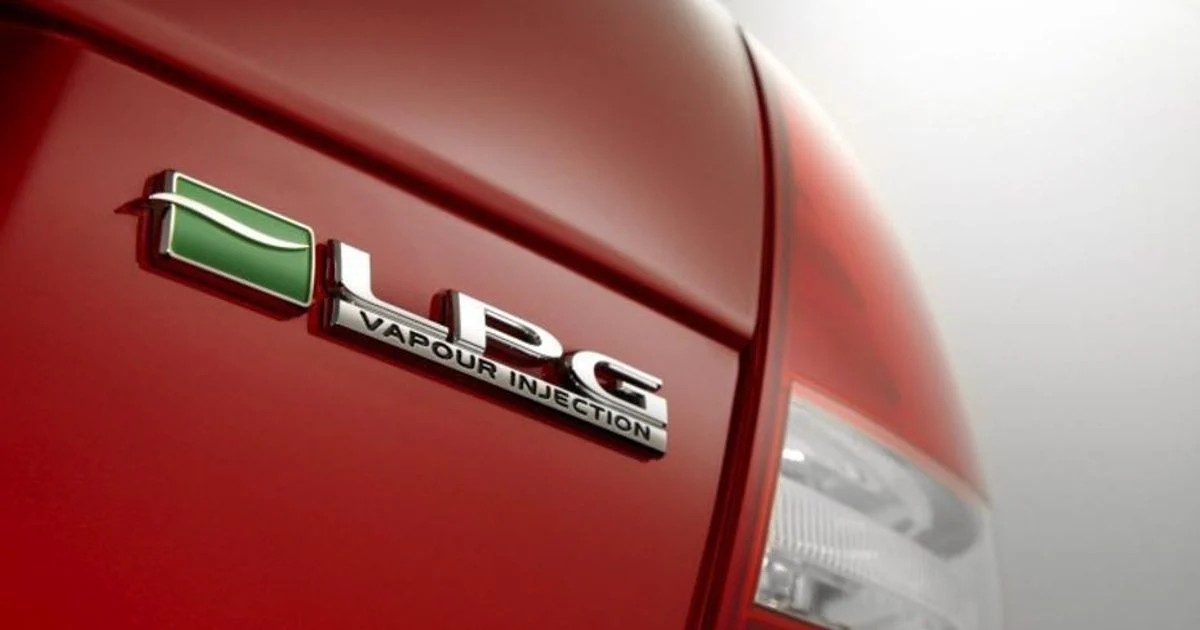
While Australia phases out liquefied petroleum gas (LPG) for vehicles, Europe is experiencing a surge in its adoption – driven by affordability and emissions reduction goals. New data shows nearly 350,000 LPG-powered cars were sold across the continent in 2025, marking a 9.8% year-over-year increase.
LPG’s Rise in Europe: Affordability and Emissions
The growth is fueled by a combination of factors: lower taxes in key markets like Italy, Spain, and France make LPG an attractive alternative for consumers. More importantly, automakers are leveraging LPG to reduce average fleet CO2 emissions, as the fuel can produce up to 20% less pollution than gasoline. This is crucial as European regulations tighten on vehicle emissions.
The market is dominated by Renault and Dacia, which together account for 89% of LPG car sales. Dacia, in particular, holds a 66% share, with the Sandero model leading the charge. In Romania, LPG car sales jumped by 47% after the introduction of a new engine and transmission option.
Global Momentum Beyond Europe
The trend isn’t limited to Europe. South Korea has seen LPG become the preferred fuel for one-tonne trucks, surpassing even electric vehicles in that segment. Japan relies heavily on LPG for its taxi and courier fleets, with Toyota’s hybrid JPN Taxi being a prime example.
These developments highlight a broader shift toward alternative fuels driven by cost and environmental concerns. The economic advantage of LPG – typically 40-50% cheaper per liter than gasoline – plays a significant role, even accounting for its lower energy density (which results in about 20% higher fuel consumption).
Australia’s Diverging Path
Australia’s experience stands in stark contrast. Despite domestic LPG production, the fuel’s popularity has waned since the decline of local car manufacturing. Once the fuel of choice for taxis and offered by Ford and Holden, LPG pumps are now being removed from many gas stations, signaling a rapid decline in its use.
The divergence between Australia and other markets underscores a critical point: policy and infrastructure investment are crucial for sustaining alternative fuel adoption. Without these, even abundant domestic production isn’t enough to maintain relevance.
In conclusion, while Australia moves away from LPG, Europe and other regions are embracing it as a pragmatic solution for lowering emissions and fuel costs. This trend demonstrates that the future of mobility isn’t solely electric; diverse fuel alternatives will play a key role, especially where economic incentives and regulatory support align.


