


Australia’s new car market experienced a downturn in February 2026, with overall sales falling 2.7% compared to the same period last year. This continues a trend of slowing demand, following a flat January and a 7.9% decline in February 2025. The data, released by the Federal Chamber of Automotive Industries (FCAI), indicates weakness across most states, buyer categories, and vehicle types.
Market Overview: A Slow Start to the Year
Total deliveries reached 94,131 units, with declines observed in Victoria and across private, business, and government sectors. The only exception was rental sales, which saw a year-on-year increase. This suggests that fleet purchases are offsetting some of the broader market weakness. The industry is grappling with economic headwinds, including rising interest rates and cost-of-living pressures, which may be deterring consumers from large purchases.
Electric Vehicle Sales Surge
Despite the overall slump, electric vehicle (EV) sales continued their upward trajectory, jumping 95.9%. Tesla led this growth with a 105.7% increase in deliveries. This surge highlights the growing consumer demand for EVs, driven by environmental concerns, government incentives, and improving battery technology.
Chinese Brands Gain Market Share
Sales of vehicles manufactured in China rose sharply by 50.5%, making China the leading source of new vehicles in Australia for the first time. This includes both Chinese-branded cars and vehicles built in China by international automakers like Tesla and Kia. This trend reflects the increasing competitiveness of Chinese manufacturers in terms of price, features, and technology.
Traditional Brands Struggle
Established brands saw mixed results. Toyota, despite remaining the market leader, experienced a 27.8% sales decline. The drop was significantly impacted by an 83.6% plunge in Toyota RAV4 sales due to a model transition. Japanese vehicles overall slumped by 31.3%, while Korean-built cars were down 2.9%. Hybrid sales also declined by 9.6%, largely due to the RAV4’s downturn. Petrol vehicle sales fell by 17.7%, while diesel sales showed more resilience, declining by only 1.6%.
Key Brand Performance
- Toyota: Still leads, but down 27.8% YoY.
- Mazda: Down 19.9%, with CX-5 bucking the trend.
- Ford: Up 9.0%, driven by Ranger and Everest sales.
- BYD: The top-ranked Chinese brand, up 62.2%.
- Nissan: Experienced the biggest decline at 50.1%.
Top Models
The Ford Ranger retained the top spot, followed by the Toyota HiLux and Tesla Model Y. The Mazda CX-5 was the best-selling non-electric mid-size SUV.
Segment Highlights
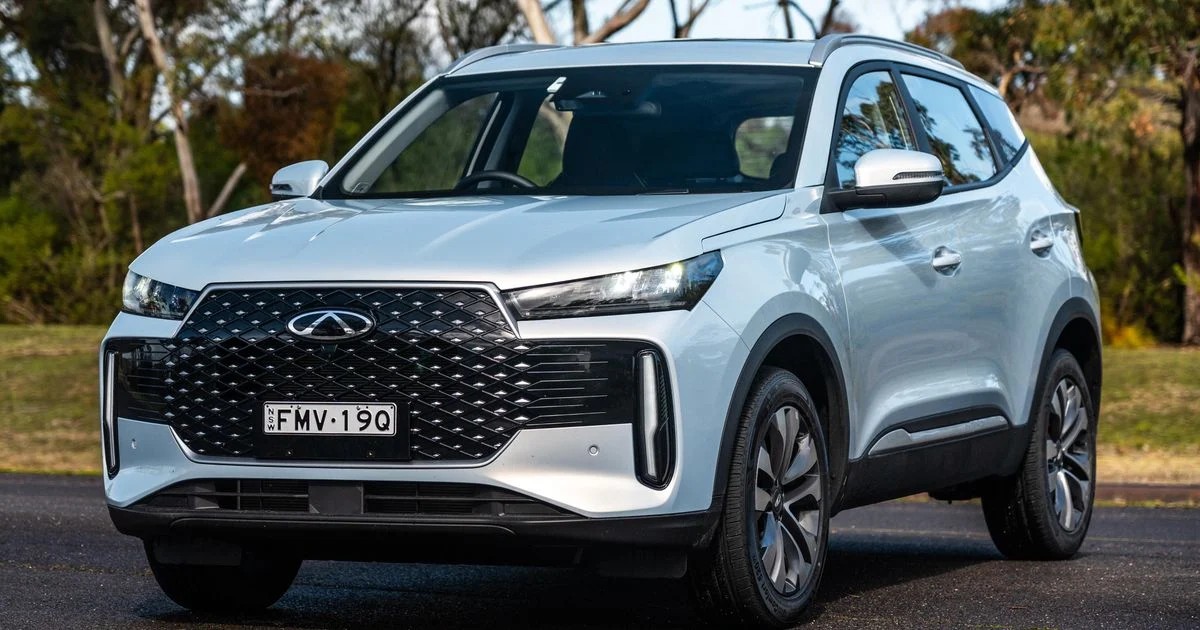
- Small SUVs: Chery Tiggo 4 led the segment, demonstrating the growing popularity of affordable Chinese SUVs.
- Medium SUVs: Tesla Model Y dominated, confirming the EV’s strong presence in this category.
- Utes: Ford Ranger and Toyota HiLux remained the top choices in the 4×4 segment.
Conclusion
The Australian new car market faces headwinds, with overall sales declining in February 2026. However, EVs and Chinese-built vehicles continue to gain momentum, signaling a shift in consumer preferences and industry dynamics. The future of the market will likely depend on economic conditions, government policies, and the ability of traditional automakers to adapt to the changing landscape.


