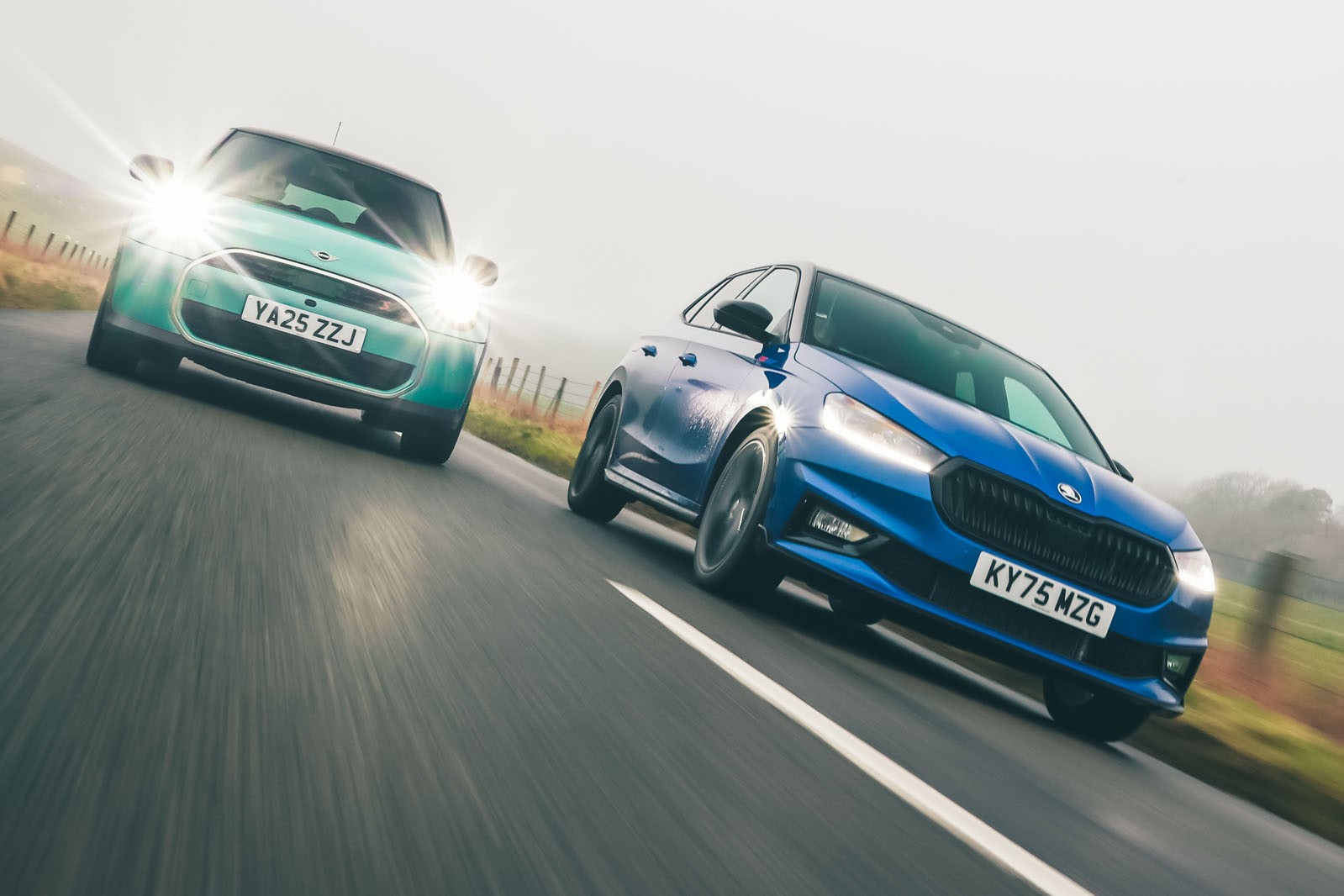
The modern hot hatch is fading fast. As manufacturers shift towards electric vehicles and stricter emissions standards, the era of small, spirited petrol cars is drawing to a close. The Mini Cooper S and Skoda Fabia 130 represent one of the last stands for this dying breed. The question isn’t just about which car is better, but whether either will survive in the long run.
A History of Shifting Identity
The Mini Cooper S has always been a car of contradictions. Early models, stemming from Rover’s initial designs in 2001, were an exercise in retro charm, but lacked the consistency of BMW’s later integration into their platform ecosystem. Reviews have been mixed: some praise the car’s fun handling, while others criticize its harsh ride and unpredictable automatic gearboxes.
The issue stems from customization. With countless options over the years – body styles, trims, suspension setups – each Mini feels different. The current generation has narrowed the choices, but the legacy of inconsistency remains. This variability is why the Mini Cooper S has both succeeded and failed in group tests.
The Vanishing Breed
The broader trend is clear: small petrol cars are under pressure. The hot hatch segment, once vibrant, is now shrinking. The rise of EVs and increasingly stringent regulations mean that cars like the Mini and Fabia are becoming relics of the past.
This isn’t just about engine size; it’s about a fundamental shift in automotive priorities. Even enthusiasts have limited choices: electric options like the Mini Cooper SE and Alpine A290 exist, but don’t appeal to everyone. The Mazda MX-5 offers thrills, but sacrifices practicality with its lack of rear seats.
What Remains?
The Mini Cooper S and Skoda Fabia 130 both offer a spirited driving experience, but their future is uncertain. They represent a shrinking niche in a market increasingly dominated by electric alternatives. The Mini’s charm and the Fabia’s practicality are appealing, but they won’t be enough to save this segment indefinitely.
The death of the warm hatch isn’t a matter of if, but when. These cars are a casualty of progress, a reminder that even the most enjoyable machines can be rendered obsolete by changing priorities.