The modern automotive landscape is saturated with turbocharged engines, hybrid systems, and performance-enhancing technologies. Yet, a segment of enthusiasts continues to champion a more raw, visceral driving experience: the naturally aspirated sports car. These machines prioritize driver engagement over sheer power figures, offering a purity that many believe has been lost in the pursuit of efficiency and outright speed. The question isn’t whether these cars are faster than their modern counterparts, but why they continue to feel… special.
The Legacy of Pure Driving
For decades, naturally aspirated engines were the standard for automotive performance. From classic British roadsters to legendary Italian supercars, the most iconic sports cars relied on atmospheric breathing to deliver power. This wasn’t just about simplicity; it was about a direct connection between the driver and the machine. Every throttle input, every gear change, felt immediate and unfiltered. Modern turbochargers and electric systems introduce delays and complexities that diminish this sensation.
The core appeal lies in predictability. Naturally aspirated engines deliver power linearly, without the sudden surges of torque associated with forced induction. This makes them more forgiving on track, more rewarding on winding roads, and ultimately, more engaging for drivers who value skill over raw horsepower.
Why Technology Doesn’t Always Improve the Experience
The push for higher numbers often comes at the expense of feel. Adding turbochargers, all-wheel drive, or hybrid systems increases weight and adds layers of electronic intervention. While these technologies can improve lap times, they also dilute the direct connection between driver and car. Some of the most criticized high-performance models – like early Nissan GT-Rs and Acura NSXs – were derided for prioritizing numbers over driving purity. The argument isn’t about whether they’re better cars, but whether they represent the same spirit as the classics.
The sound of an engine is also a critical part of the experience. Turbochargers often muffle exhaust notes, robbing the driver of auditory feedback. The visceral roar of a naturally aspirated engine, particularly one screaming towards its redline, is an essential part of the driving experience.
The Porsche 911 GT3: A Modern Benchmark
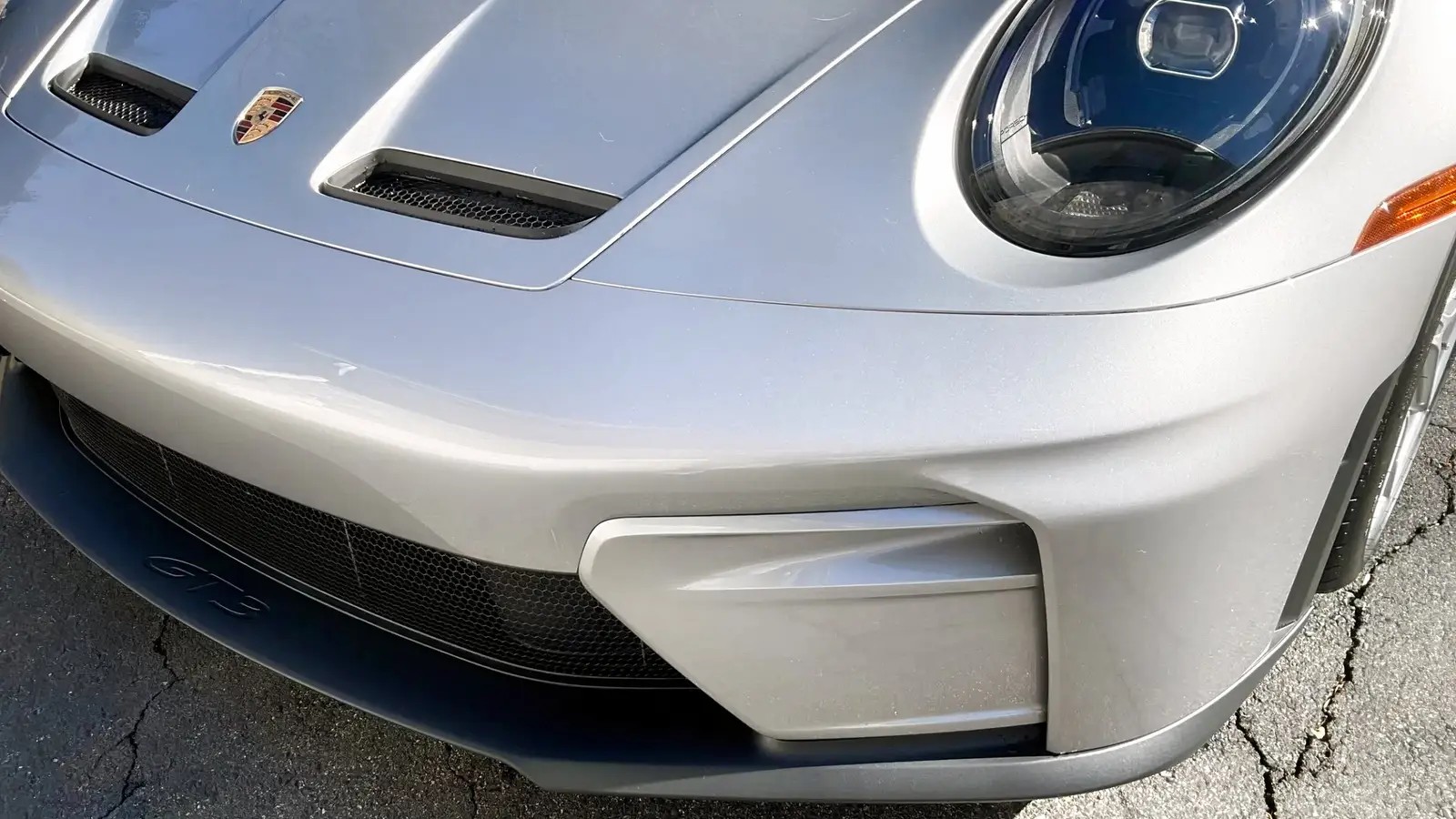
If there’s one car that embodies the spirit of naturally aspirated excellence today, it’s the Porsche 911 GT3. The latest iteration, the 992 GT3, carries on a decades-long tradition of pure, unfiltered performance. Its 4.0-liter flat-six engine produces 502 horsepower and revs to a spine-tingling 9,000 RPM. The optional six-speed manual transmission is preferred by enthusiasts for its directness and responsiveness.
The GT3 isn’t just about the engine, though. Its chassis is meticulously tuned for balance and feedback. Porsche Active Suspension Management (PASM) keeps the car planted, while massive brakes provide unwavering stopping power. The result is a car that feels telepathic, responding to every input with precision and predictability. The 911 GT3 is a race car for the road, capable of humbling even the most exotic supercars on track.
Beyond the GT3: The 718 Cayman GTS 4.0
The Porsche 911 GT3 is the pinnacle of the naturally aspirated experience, but it comes at a price. For those seeking a similar spirit at a more accessible price point, the 718 Cayman GTS 4.0 is an excellent alternative. This mid-engine coupe combines a high-revving flat-six with sharp handling and a surprisingly raw driving feel. While it lacks the GT3’s race-derived focus, it provides more than enough performance for most drivers, both on the road and the track.
Unfortunately, the 718 Cayman GTS 4.0 is no longer in production, meaning the used market is the only place to find one now. Prices have already begun to climb as demand outstrips supply.
The Future of Driving Engagement
The rise of electrification and forced induction doesn’t necessarily spell the end for naturally aspirated sports cars. There will always be a market for those who value purity, feedback, and the raw connection between driver and machine. The Porsche 911 GT3, and cars like it, will continue to remind us that performance isn’t just about numbers, but about feel.
The next generation of enthusiasts may not fully understand the appeal of a naturally aspirated engine, but those who do will continue to seek out these diminishing treasures. Because sometimes, the most rewarding driving experience isn’t about going faster; it’s about feeling alive behind the wheel.