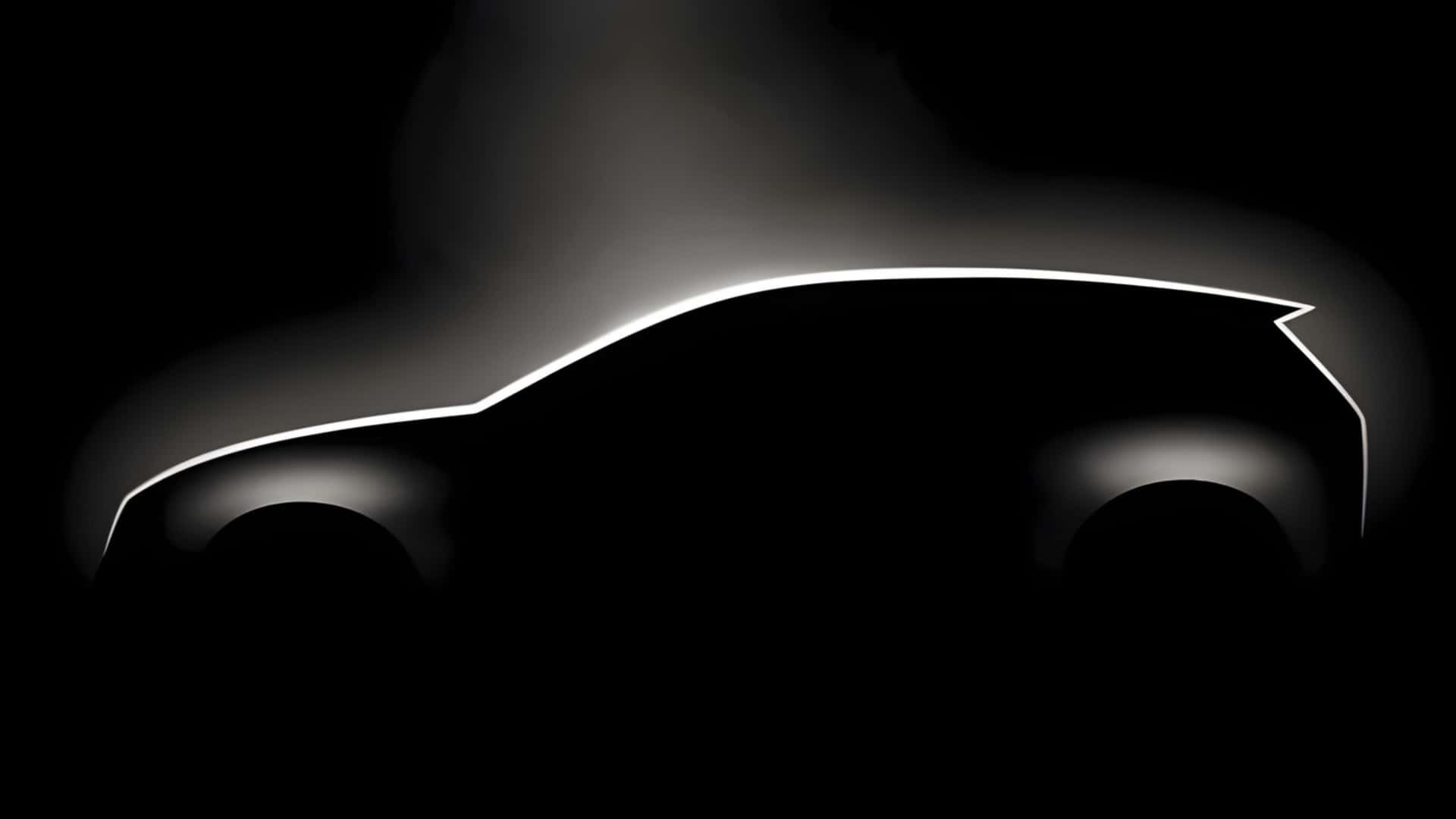
Volkswagen has officially confirmed that development of the ninth-generation (Mk9) Golf is well underway. While much of the industry is pivoting toward a singular focus on electrification, Volkswagen appears to be pursuing a dual-track strategy that honors the model’s heritage while embracing a digital, electric future.
A Design Inspired by Heritage
One of the most significant revelations regarding the Mk9 is its aesthetic direction. Volkswagen’s technical development chief, Kai Grünitz, has indicated that the new design draws heavy inspiration from the Mk4 Golf —a generation widely regarded by enthusiasts as a high point for the model due to its clean, timeless proportions.
The goal is to move away from overly complex styling in favor of a “pure and simple” look. According to design lead Andreas Mindt, the objective is to create a vehicle so fundamentally “Golf” that it remains recognizable even if all branding were removed.
“A Golf will always be a Golf—now, or 20 years from now,” says Mindt, emphasizing a commitment to a clean, unmistakable silhouette.
The Dual-Platform Strategy: Electric vs. Combustion
In a move that addresses the varying needs of the global market, Volkswagen will not force an immediate, total transition to electric power. Instead, the company plans to offer two distinct versions of the Golf simultaneously after its launch:
- The All-Electric Golf: Built on the brand’s new SSB platform, this model is expected to be the flagship of the new generation, though it is not anticipated to arrive until at least 2028.
- The Hybrid/Combustion Golf: This version will utilize the existing MQB Evo platform, supporting plug-in hybrids (PHEV) and standard internal combustion engines (ICE).
This “two-track” approach is a strategic response to the uneven pace of EV adoption worldwide. By maintaining the MQB platform for hybrids, Volkswagen can continue to serve customers who are not yet ready to go fully electric, while simultaneously building the infrastructure for a dedicated electric successor.
Why This Matters for the Market
The Golf is more than just a compact car; it is a cornerstone of Volkswagen’s identity and profitability. For the Mk9 to succeed, the company must navigate a difficult balancing act: satisfying traditionalists who demand the tactile, mechanical feel of a combustion engine, while meeting the regulatory and consumer demands for zero-emission vehicles.
The decision to keep different platforms for electric and combustion models suggests that Volkswagen is prioritizing specialization over compromise. Rather than forcing an electric motor into a chassis designed for gasoline, or vice versa, they are building dedicated architectures to ensure each version performs optimally.
Summary
Volkswagen is preparing a multi-faceted launch for the Mk9 Golf, blending nostalgic design cues with a sophisticated dual-platform strategy. By offering both dedicated electric models and traditional hybrids, the company aims to bridge the gap between its storied past and an electrified future.