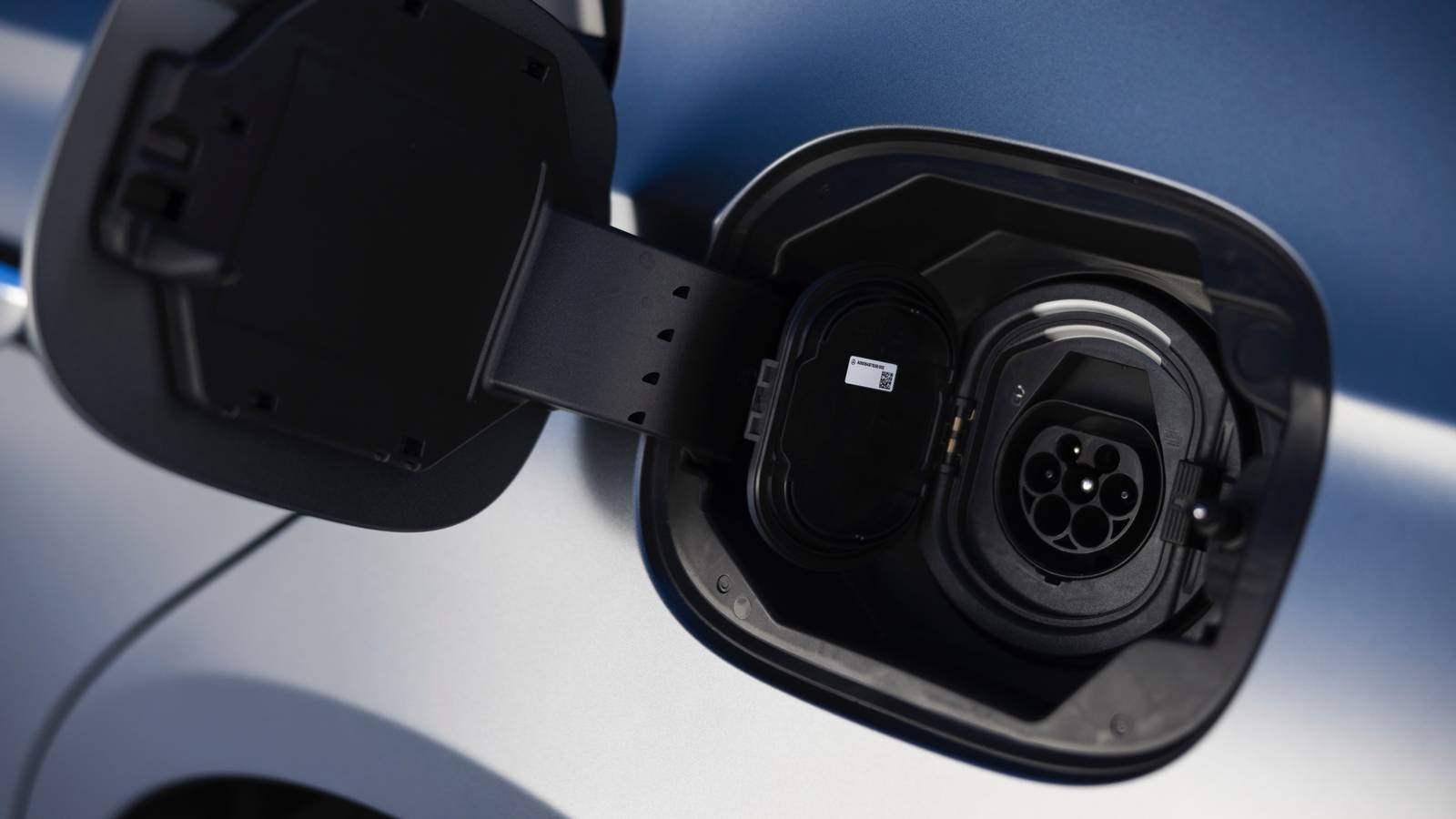
Mercedes-Benz has emerged as the leading seller of plug-in hybrid electric vehicles (PHEVs) in the U.S., capturing 18% of the market in the third quarter, according to a recent analysis by Cox Automotive. This surprising result places the luxury automaker ahead of industry giants like Toyota and Jeep, which hold 12% and 14% market share, respectively.
The PHEV Market Remains Small, Yet Significant
While PHEVs represent a modest 1.8% of all new vehicle sales in the U.S., their performance reveals key trends in automotive consumer behavior. Despite the growth of battery-electric vehicles (BEVs), which now account for 10.3% of new sales, PHEVs have experienced a slight decline in popularity since 2022, hovering between 1.5% and 2% of total sales.
This stagnation highlights a critical issue: many PHEV buyers do not consistently utilize the plug-in capability, suggesting a disconnect between vehicle technology and consumer habits. Despite Mercedes-Benz offering 12 plug-in hybrid models—including SUVs, sedans, and AMG high-performance variants—the actual usage of the electric component remains uncertain.
Toyota Dominates Hybrid Sales Overall
While Mercedes-Benz leads in PHEVs, Toyota continues to dominate the broader hybrid market with a commanding 46% share. This dominance reflects the brand’s long-standing reputation for hybrid technology, with over 892,000 hybrids sold through September of this year. Honda follows at a distant second, holding 18% of the hybrid market, followed by Ford (10%), Hyundai (9%), and Kia (6%).
This disparity raises questions about consumer priorities: while Toyota’s hybrid sales are booming, PHEVs struggle to gain traction. The higher cost of PHEVs may not be an obstacle for Mercedes-Benz customers, who may value the environmental benefits and potential fuel savings. A model like the GLC PHEV, with up to 54 miles of electric range, could significantly reduce gasoline consumption for short commutes.
The Decline of Traditional Combustion Engines
As hybrid and electric vehicle sales rise, the share of purely internal combustion engine (ICE) vehicles continues to shrink. From 88% in 2022, ICE vehicles now represent 75.1% of new car sales, indicating a gradual but inevitable shift away from gasoline-only powertrains.
This trend suggests that even though a majority of consumers still prefer traditional vehicles, the growth of electric and hybrid options is steadily eroding their dominance. The automotive market is evolving, with manufacturers like Mercedes-Benz capitalizing on niche segments like PHEVs while Toyota maintains its stronghold in mainstream hybrids.
In conclusion, while the PHEV market remains small, Mercedes-Benz’s leadership demonstrates that luxury brands can thrive in this space by offering high-performance, environmentally conscious options. The ongoing shift towards electrification, coupled with the declining popularity of traditional ICE vehicles, signals a significant transformation in the automotive industry.