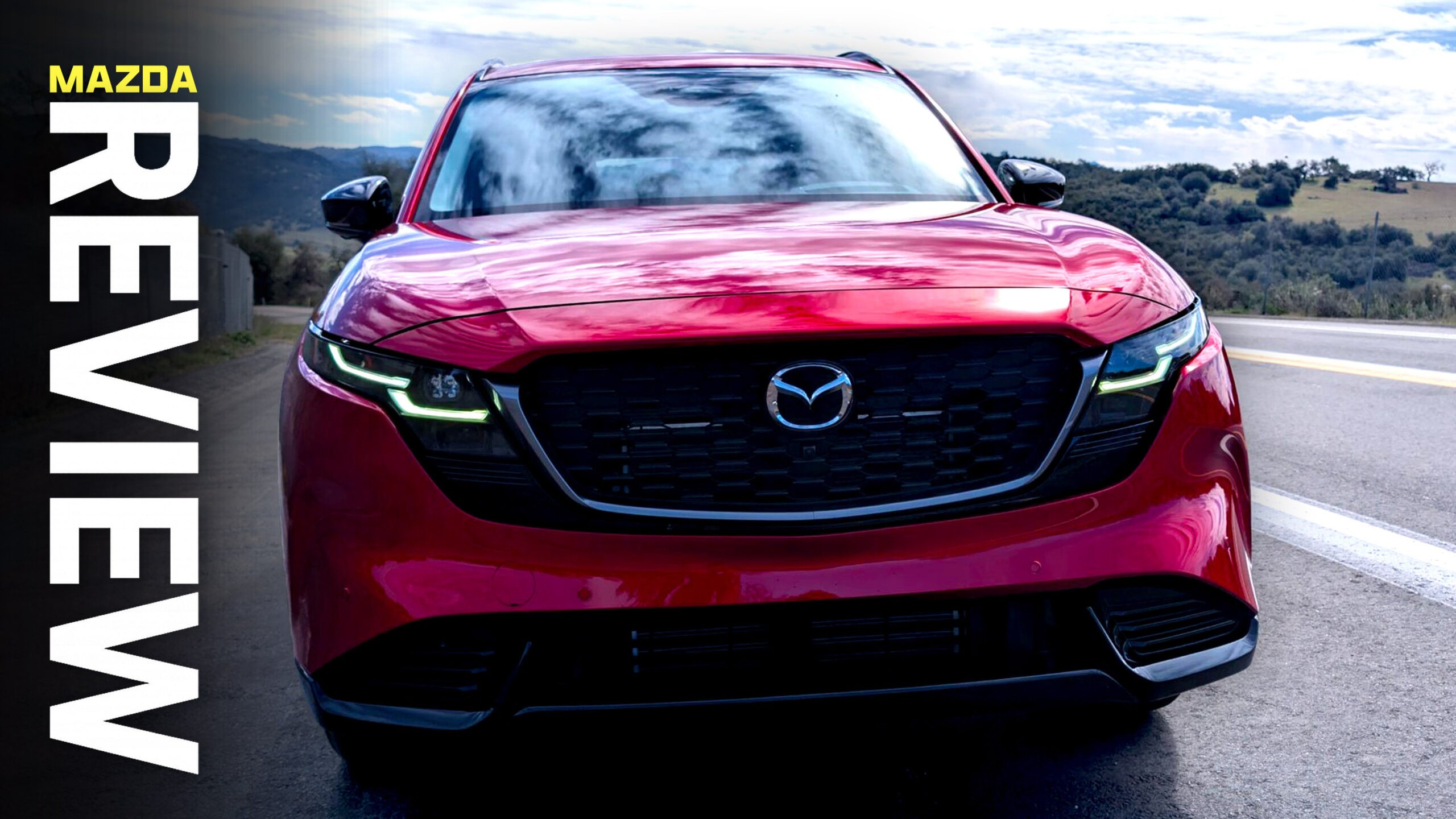
Mazda’s latest CX-5 isn’t about chasing trends. While other automakers push for ever bolder designs, Mazda has refined an already solid formula, delivering an SUV that prioritizes driving experience and interior quality over flashy aesthetics. The 2026 CX-5 isn’t designed to shout for attention; it’s engineered to reward those who appreciate thoughtful engineering and a driver-first approach.
A Subtle Evolution in Design
The exterior design doesn’t reinvent the wheel, but it subtly matures the outgoing model. The headlights and taillights are the most striking updates, offering a sharper, more modern look. Mazda has avoided the oversized grilles and aggressive styling cues prevalent in the segment, opting for a more restrained and timeless aesthetic.
The CX-5’s slightly larger footprint might not win style awards, but it addresses a key buyer need: space. While some may find the bulkier silhouette less appealing, crossover shoppers generally prioritize practicality over sculpted lines.
A Cabin That Feels More Expensive Than It Is
Step inside, and you’ll immediately notice Mazda’s focus on quality where it matters most. The cabin doesn’t boast extravagant luxury, but the materials in key touchpoints feel more premium than many competitors. The layout is intuitive, with solid switchgear and a welcome reduction in piano black plastic.
The centerpiece of the interior is the available 12.9 or 15.6-inch touchscreen with Google built-in. This marks a significant change for Mazda purists, as the traditional Command Control knob is gone. While some may miss it, the new touchscreen offers a clean and modern interface.
Rear Seat Space: Class-Leading Comfort
The biggest surprise is the rear seat space. The 2026 CX-5 delivers a level of legroom and headroom that rivals even larger SUVs. At 6’6”, the reviewer found ample space without compromising cargo capacity. The 40/20/40 split-folding rear seats add further versatility, allowing for easy loading of longer items without sacrificing passenger space.
Mazda also addressed usability concerns with wider door openings and a lower load floor, making ingress, egress, and cargo loading more convenient.
Driving Dynamics: The Mazda Difference
The CX-5 continues Mazda’s tradition of prioritizing driving engagement. Despite the larger size, it feels tighter and more controlled than many competitors. The new linear dampers improve ride quality without sacrificing handling, while the steering remains nicely weighted and direct.
The AWD system, shared with the CX-50, provides confident traction in various conditions. Mazda’s G-Vectoring Control Plus (GVC Plus) further enhances cornering stability through subtle software adjustments. While not a sports car, the CX-5 delivers a level of driving enjoyment rarely found in this segment.
The Trade-Off: Power and Fuel Economy
The biggest drawback is the engine. The 187-horsepower engine feels underpowered in today’s market, with a 0-60 time estimated around 8 seconds. Rivals like the Honda CR-V and Toyota RAV4 offer more horsepower and better fuel economy. The CX-5 achieved 22.4 mpg in mixed driving, lagging behind more efficient competitors.
A Values Decision
The 2026 Mazda CX-5 isn’t about winning on specs alone. It’s about delivering a driving experience that feels genuinely rewarding. If you prioritize engagement, interior quality, and a well-engineered chassis, the CX-5 deserves your attention. It may not be the most powerful or fuel-efficient option, but it’s a compelling choice for those who still enjoy driving and appreciate a thoughtful, balanced package.
Ultimately, the CX-5 proves that Mazda isn’t chasing trends. It’s doubling down on what it does best: building cars that are fun to drive, beautifully executed, and genuinely useful in everyday life.