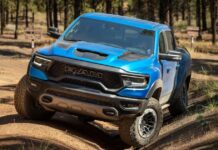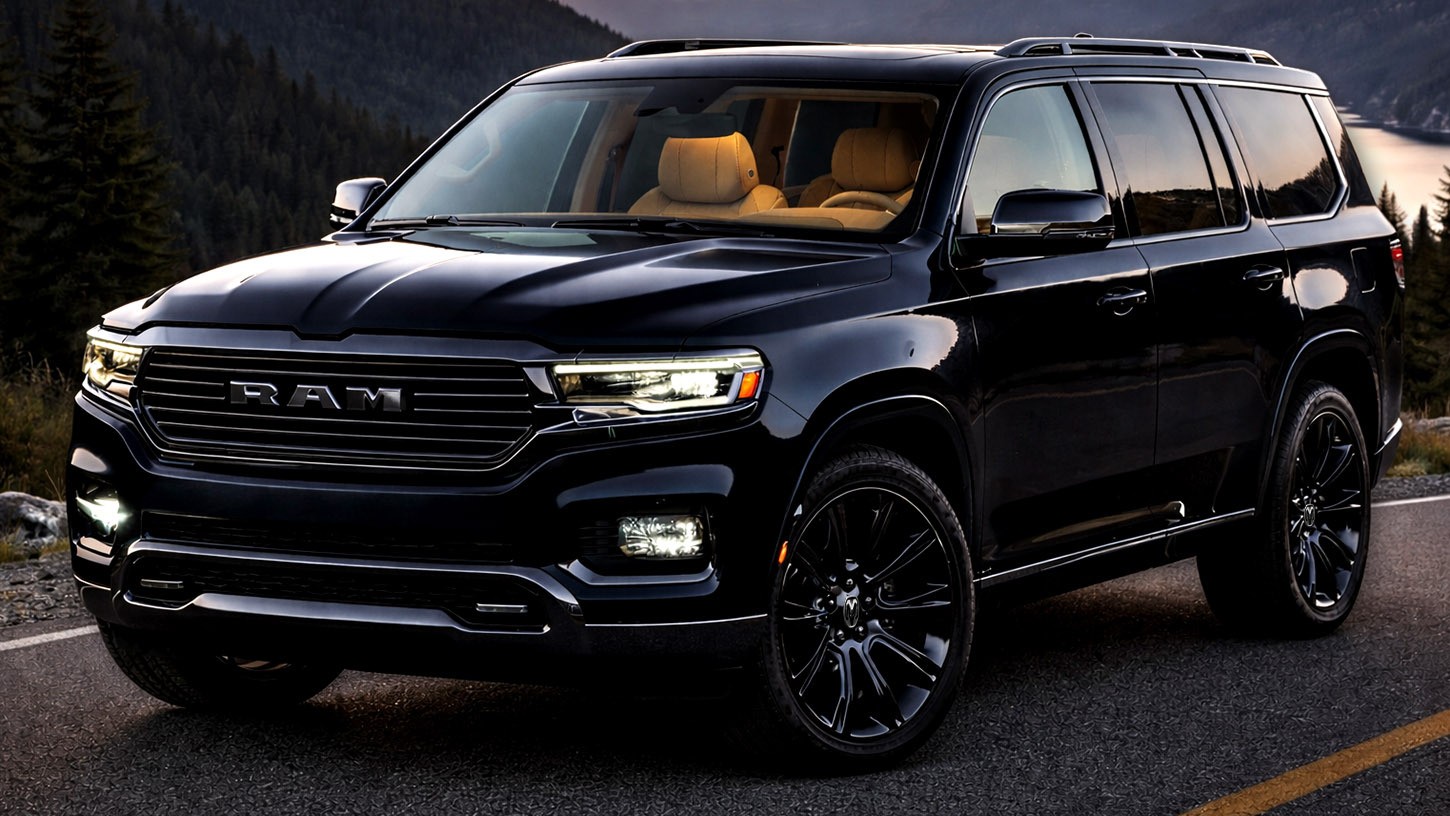
Automaker Stellantis is investing $13 billion into US operations, with a key part of the plan being the reintroduction of two iconic Ram vehicle names: the Ramcharger SUV and the Dakota mid-size truck. Production is slated for 2028, marking a significant expansion of Ram’s lineup beyond trucks.
Ramcharger SUV: A Return to Bronco-Era Competition
The Ramcharger, originally produced from 1974 to 1993, is being resurrected as a full-size SUV. This move fills a gap in Ram’s portfolio and directly challenges models like the Ford Bronco, Chevrolet K5 Blazer, and GMC Jimmy – vehicles that defined the off-road SUV segment decades ago.
The Ramcharger will be built at the Warren Truck Plant in Michigan, alongside the Jeep Grand Wagoneer. Expect powertrain options including a traditional internal combustion engine and a range-extended hybrid system, combining a 3.0-liter twin-turbo inline-six (420 hp, 468 lb-ft) with a dual-motor AWD system and a 92 kWh battery. This setup, similar to the Grand Wagoneer REEV, is projected to deliver over 647 hp and an estimated 0-60 mph time of around five seconds, with a range exceeding 500 miles.
Dakota Mid-Size Truck: Filling a Critical Market Segment
Alongside the Ramcharger, the Dakota name is also making a comeback. Ram CEO Tim Kuniskis confirmed the revival, stating it was a “no brainer.” Production has been shifted to the Toledo Assembly Plant, where the Jeep Gladiator and Wrangler are currently built.
The Dakota will compete directly with the Chevrolet Colorado, GMC Canyon, Ford Ranger, Nissan Frontier, and Toyota Tacoma. Ram’s decision to re-enter the mid-size truck market is driven by a desire to offer more affordable options—Kuniskis hinted at a potential starting price around $40,000, though the actual cost could be lower given competitor pricing.
The Dakota’s return is strategically important because it fills a gap in Ram’s lineup, allowing the brand to capture a larger share of the lucrative mid-size truck market. The revival of these classic names isn’t just about nostalgia; it’s a calculated move to expand Ram’s offerings and reignite competition in key vehicle segments.
In short, Ram is betting that the Ramcharger and Dakota will attract buyers looking for both heritage and modern performance.