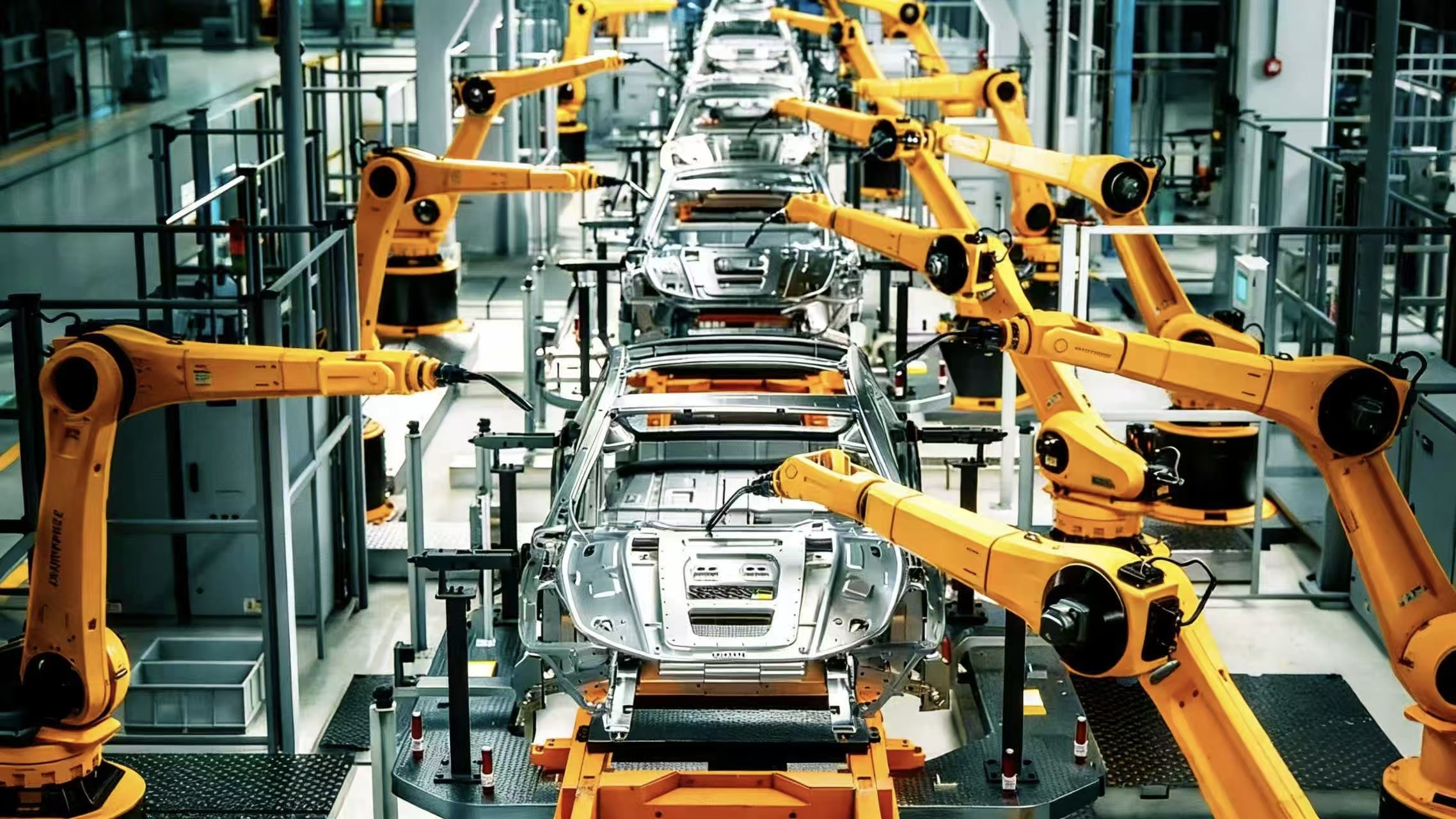
China’s automotive sector closed 2025 with a total profit of approximately $659 billion USD on revenues exceeding $1.6 trillion USD, according to data from the China Passenger Car Association (CPCA). The industry produced 34.78 million vehicles —a 10% increase from 2024—while maintaining a relatively slim profit margin of 4.1%. This growth highlights China’s dominance in global automotive manufacturing, but also reveals a competitive landscape where efficiency is key.
Production and Sales Growth
Key automakers led the charge, with BYD selling 4.6 million vehicles, Geely reporting 3.02 million units, and Chery delivering 2.63 million. Newer EV brands like Leapmotor, XPeng, Li Auto, and Nio also significantly contributed to the output, with Xiaomi Auto exceeding 400,000 units sold. The combined strength of established and emerging players underscores the industry’s dynamism.
Export Surge Fuels Expansion
China’s automotive exports played a crucial role in its growth, exceeding 6.8 million units for the year. The top destinations included Mexico (625,187 units), Russia (582,738 units), and the United Arab Emirates (571,937 units). This export volume demonstrates China’s increasing competitiveness in international markets and its ability to meet global demand. The industry’s focus on overseas expansion is driven by both domestic saturation and the need for higher-margin sales.
Profit Margins Under Pressure
Despite substantial revenue growth, the sector’s overall profit margin of 4.1% remains below the 5.9% average for Chinese industrial enterprises. This suggests that while volumes are up, pricing pressures and rising costs are squeezing profitability. December 2025 saw a sharp drop in profits—down 57.4% compared to the same month in 2024—with a margin of just 1.8%. This seasonal decline underscores the cyclical nature of the automotive industry.
Broader Economic Context
The automotive sector’s performance is also reflected in broader manufacturing trends. Accounts receivable rose 4.7% to $3.95 trillion USD, and finished goods inventory increased 3.9% to $964 billion USD across all industrial enterprises. While automotive inventory reduction and accounts receivable terms were faster than the broader average, margins remain a key challenge. These figures suggest that while demand is present, managing liquidity and optimizing production cycles are critical for sustained growth.
The Chinese auto industry’s 2025 performance confirms its position as a global leader, but also reveals ongoing challenges in profitability and market dynamics. The sector’s continued success will depend on innovation, cost control, and strategic expansion into both domestic and international markets.