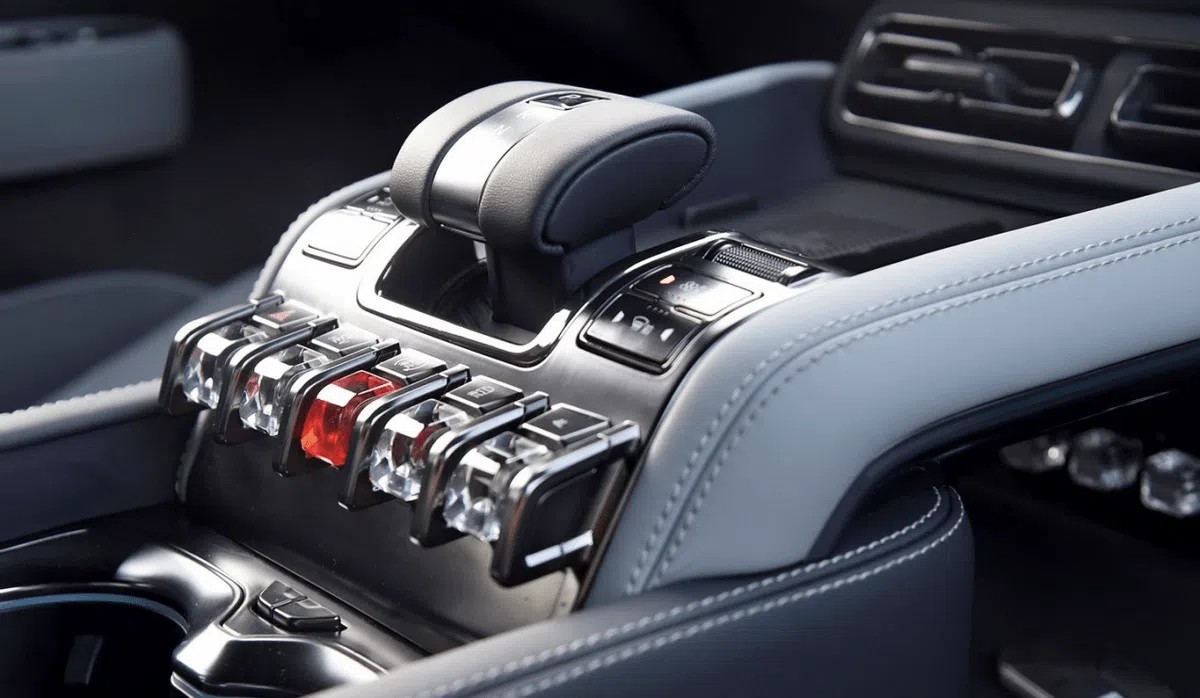
China’s Ministry of Industry and Information Technology (MIIT) will require all new vehicles manufactured after July 1, 2026, to include physical controls for essential functions. This move directly addresses the growing trend of minimalist cockpits in Chinese electric vehicles (EVs), which have increasingly relied on large central touchscreens for nearly all vehicle operations.
The Problem with Touchscreen-Heavy Designs
Over the past several years, Chinese automakers have favored sleek, screen-dominated interiors. While visually modern, these designs have drawn criticism for forcing drivers to take their eyes off the road to adjust basic settings. Geely’s Vice President publicly stated that the industry had become “plagued by a trend of blindly following trends,” acknowledging the usability issues. The core problem is distraction : relying heavily on screens increases driver workload and response times, potentially leading to accidents.
The MIIT’s decision isn’t just about aesthetics; it’s a safety measure. The revision to the existing national standard GB4094—2016 ensures that critical controls remain accessible without requiring drivers to look away from the road.
Which Controls Will Be Required?
The new regulations specifically mandate physical buttons or switches for the following:
- Lighting: Turn signals, hazard lights, and the horn.
- Gear Shifting: A standard P/R/N/D selector; touchscreen-only shifting is now prohibited.
- Driver Assistance: A physical activation switch for advanced driver-assistance systems (ADAS).
- Safety/Emergency: Windshield wipers, defroster, power windows, an emergency call system, and an EV power-off switch.
The rules also set minimum dimensions (10mm x 10mm operating area) and usability standards—including fixed positioning, blind operability, and tactile/auditory feedback. Crucially, basic functions must remain accessible even if the vehicle’s central system fails.
Industry Involvement and Timing
The revision process has been underway since 2023, with input from major automakers like Geely, FAW-Volkswagen, BYD, and Great Wall Motor, as well as testing institutions such as the China Automotive Technology and Research Center. A draft for public comment is expected soon. The three-year implementation window allows manufacturers time to adapt their designs without disrupting current production.
This regulation is a significant step towards prioritizing safety and usability in vehicle design. By mandating physical controls, China aims to reduce driver distraction and ensure that essential functions remain reliably accessible, regardless of technological advancements.