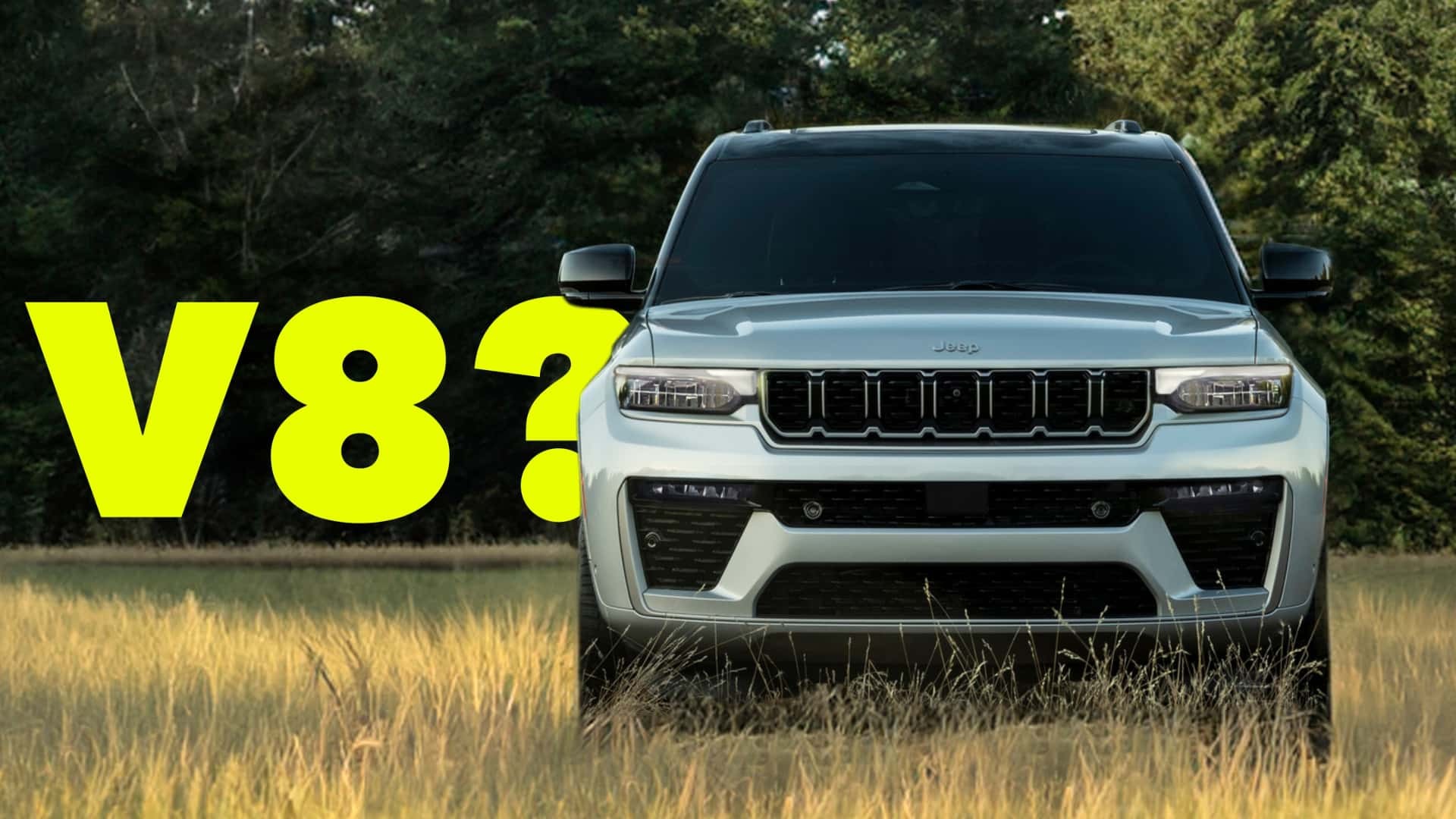
Jeep is actively listening to customer demand and may bring back the Hemi V8 engine to its popular Grand Cherokee model. This move comes after a similar reversal by sister brand Ram, which reintroduced the V8 to its 1500 pickup due to strong buyer preference.
The Shift Away From V8s and the Customer Backlash
Under the Stellantis umbrella, former Fiat Chrysler Automobiles brands initially pushed for a transition toward electric vehicles and new engine technologies. However, this strategy failed to resonate with a significant portion of their customer base, many of whom remain loyal to traditional V8 power. The reintroduction of the V8 in the Ram 1500 proved successful, suggesting a market appetite that Jeep is now considering tapping into.
What Jeep Has Said
According to Joe Aljajawil, Jeep’s Grand Cherokee vehicle integration engineering manager, the company is “listening” to customers who want the V8 back and advises them to “stay tuned for more.” While specific details remain unclear, this signals a potential change in direction based on consumer feedback.
Grand Cherokee V8 History and Current Options
The current fifth-generation Grand Cherokee (WL) previously offered the 5.7-liter Hemi V8, producing 357 horsepower and 390 pound-feet of torque. Jeep discontinued this engine in the two-row version after 2023 and the three-row model after 2024. Currently, the Grand Cherokee offers the new Hurricane 4 Turbo (324 hp) and the Pentastar V6 (base model only).
Why This Matters
For some buyers, cylinder count trumps raw power numbers. Despite the Hurricane 4 Turbo offering comparable performance, many consumers still demand the sound, feel, and prestige of a V8 engine. Jeep’s potential reintroduction of the Hemi demonstrates that automakers are increasingly responsive to consumer preferences, even when those preferences buck broader industry trends.
Jeep’s willingness to reconsider its engine lineup highlights the enduring appeal of V8 engines among a dedicated customer base. This move suggests that automakers will continue to cater to traditional preferences alongside the push toward electrification.