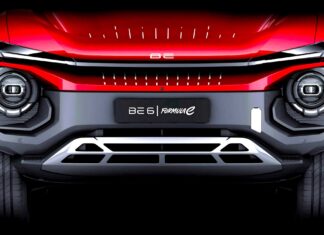
JAC Motors is preparing to launch its Hunter plug-in hybrid (PHEV) ute in Australia mid-year, positioning it as a direct competitor to the best-selling BYD Shark 6. The Hunter claims superior fuel efficiency and extended range, potentially shaking up the emerging PHEV ute segment.
Performance and Range Claims
The JAC Hunter boasts a combined fuel consumption of just 1.6 liters per 100 kilometers and a total driving range of 1,005 kilometers, both figures measured using the NEDC test cycle. This surpasses the BYD Shark 6, which achieves 2.0L/100km when the battery is between 25% and 100% charge and offers a combined range of 800 kilometers.
The Hunter combines a 2.0-liter turbocharged four-cylinder engine with dual electric motors and a 32kWh lithium iron phosphate (LFP) battery, delivering a combined output of 385kW and 1,000Nm of torque. It also provides at least 100 kilometers of all-electric range, though the exact testing standards for this figure are unspecified. Notably, the Hunter incorporates vehicle-to-load (V2L) functionality, allowing it to power external electrical devices.
Market Positioning and Pricing
JAC Motors Australia Managing Director Ahmed Mahmoud states the Hunter will arrive “at the right time, at the right price,” though specific pricing has yet to be revealed. The BYD Shark 6 currently starts at $57,900, while the GWM Cannon Alpha PHEV begins at $61,490 drive-away, and the Ford Ranger PHEV starts at $71,990. JAC aims to undercut these rivals while maintaining competitive performance.
Local Testing and Customization
The Hunter has undergone rigorous testing at the Lang Lang Proving Ground in Victoria, a facility formerly owned by Holden. JAC has also partnered with Multimatic and former Holden chassis engineer Michael Barber to refine the vehicle’s ride and handling specifically for Australian conditions.
At an event in Sydney, JAC showcased both the standard Hunter and a customized version for NRL star Josh Addo-Carr, featuring aftermarket modifications such as custom paint, lift kit, and additional lighting. The customized vehicle will be displayed at the Melbourne motor show in April.
Competitive Landscape
The JAC Hunter’s entry adds another contender to Australia’s growing PHEV ute market. Chery plans to join the fray in late 2026 with a diesel-powered PHEV based on the KP31 concept, followed by a petrol PHEV variant in 2027. As of February, JAC’s T9 diesel ute has sold 221 units, placing it behind the KGM Musso (237) but ahead of other emerging brands like MG and LDV in terms of sales volume.
The arrival of the Hunter signals increased competition in the Australian ute market, as more manufacturers introduce plug-in hybrid options to meet growing consumer demand for fuel efficiency and reduced emissions. The success of JAC’s PHEV will depend on its ability to deliver on its claimed performance while offering a competitive price point.