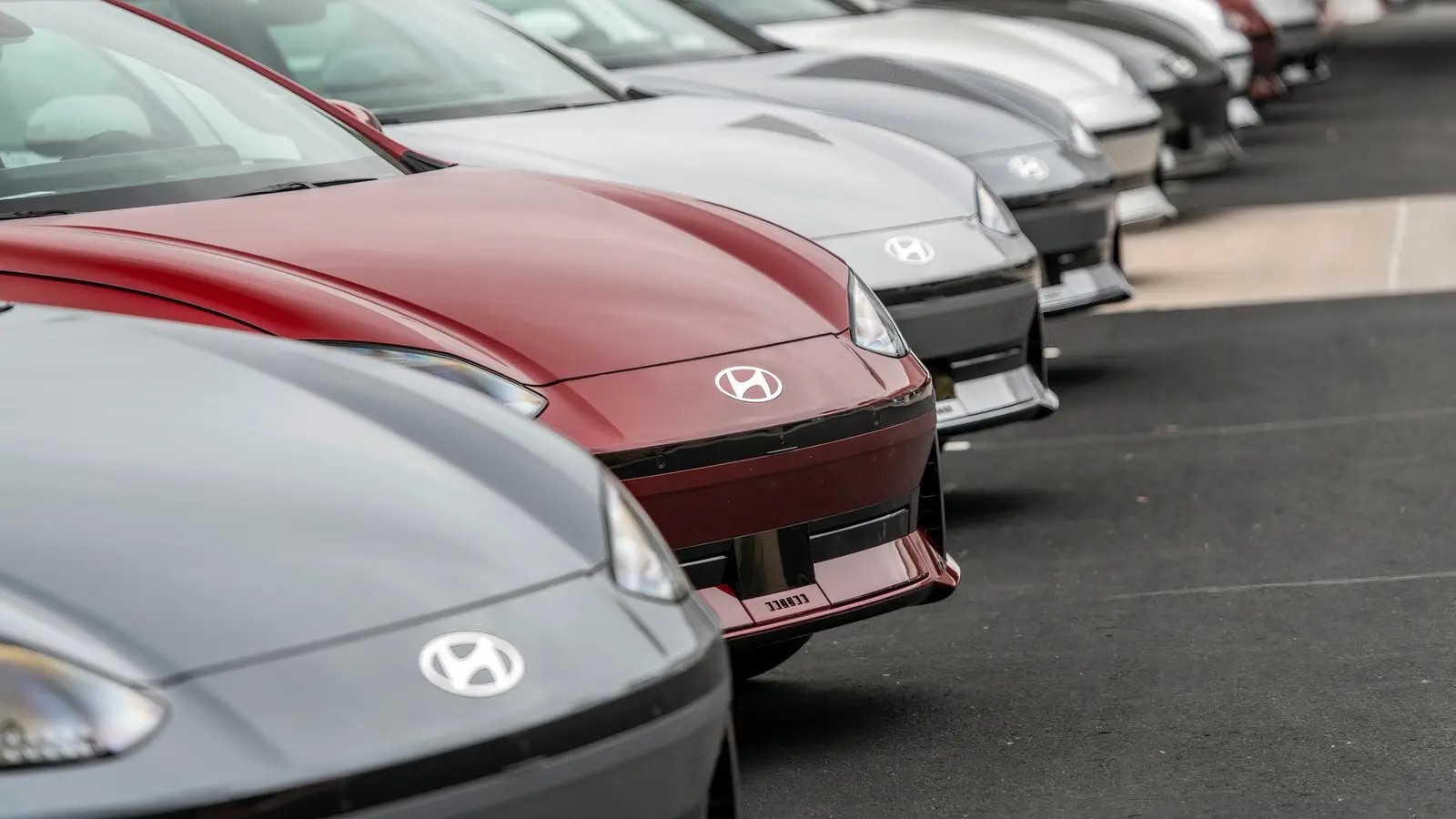
Hyundai and its luxury brand, Genesis, are currently navigating a series of significant safety recalls affecting hundreds of thousands of vehicles. These recalls address two distinct issues: a mechanical defect in rear seat folding mechanisms and a critical failure regarding seatbelt anchor stability.
The Rear Seat Defect: A Fatal Risk
The first major concern involves the power-folding rear seats in specific high-end trims. Following reports of a fatal accident involving a two-year-old child, as well as several non-fatal injuries, Hyundai has issued a recall for approximately 68,500 2026 Palisade Limited and Calligraphy models in North America (totaling 132,000 vehicles globally).
The issue stems from insufficient anti-pinch protection in the power-folding mechanism. Without adequate sensors to detect an obstruction, the seats could potentially crush a passenger—particularly a child—during operation.
The Seatbelt Anchor Recall: A Widespread Safety Gap
In a separate and more widespread development, the National Highway Traffic Safety Administration (NHTSA) has flagged a defect affecting 294,128 vehicles. This recall concerns the driver and front passenger seatbelt anchors, which may detach from the seat frame.
The affected models include:
– 2023–2026 Genesis G90
– 2023–2025 Hyundai Ioniq 6
– 2024–2026 Hyundai Santa Fe (including Hybrid models)
The defect is linked to a damaged snap-on anchor. If the anchor fails to remain securely attached to the seat frame, the seatbelt may fail to restrain occupants during a collision, rendering one of the vehicle’s most fundamental safety features ineffective.
Investigation Results: Manufacturing vs. Aftermarket Damage
A critical aspect of this investigation is the determination of why these failures are occurring. Following reports of seatbelt failures in the 2025 Hyundai Santa Fe, the NHTSA conducted an extensive multi-month investigation. This included inspecting manufacturing protocols, quality control processes, and testing vehicles sourced from local auctions.
The findings suggest that the seatbelt failures are not a result of factory defects. Instead, the NHTSA concluded that the damage to the seatbelt assemblies was caused by improper removal or “forceful” service after the vehicle left the factory.
The investigation indicates that the damage likely occurs during third-party repairs, vehicle modifications, or auction processing, where technicians may use excessive force to access or remove seats for tasks like reupholstering or wiring.
While some may argue that dealership technicians could be responsible, the investigation found no evidence of faulty in-plant repair processes. This highlights a growing trend in automotive safety where the integrity of a vehicle is compromised not by the manufacturer, but by unauthorized or improper aftermarket servicing.
The Remedy: What Owners Need to Do
Despite the investigation pointing toward external causes, Hyundai and Genesis are taking a proactive approach to ensure passenger safety.
The solution for affected owners is as follows:
– Owners should contact a local Hyundai or Genesis dealership.
– Licensed technicians will install a reinforcement remedy to secure the anchors.
– If the existing assembly is deemed too damaged, the entire unit will be replaced with new, reinforced equipment.
– All repairs and parts are provided at no cost to the owner.
If your vehicle is relatively new, has only been serviced by authorized dealerships, and remains in its original factory configuration, it is less likely to be affected by the seatbelt issue. However, owners of second-hand or modified vehicles should verify their status immediately.
Conclusion
While Hyundai has been cleared of manufacturing faults regarding the seatbelt anchor failures, the scale of the recall necessitates immediate action. These recalls serve as a vital reminder that vehicle safety relies not only on original engineering but also on the integrity of all subsequent repairs and modifications.