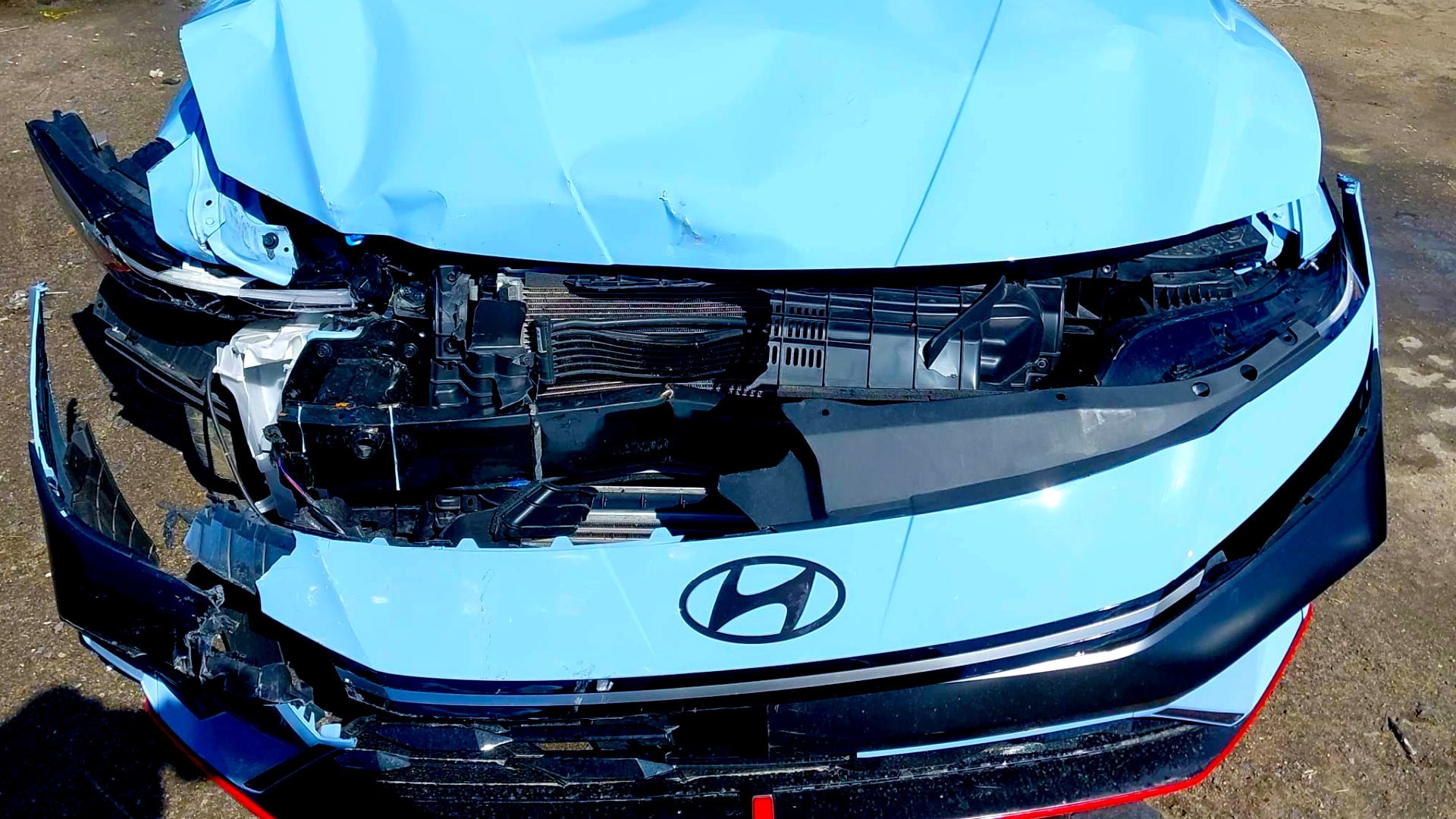
Automakers routinely crush unsellable vehicles – those damaged beyond repair, with defects, or otherwise impossible to move. But destroying cars that are central to an ongoing legal battle is a different matter, as Hyundai recently learned. A Pennsylvania court has ordered Hyundai Motor America to pay $9.8 million in sanctions after finding that the company deliberately crushed vehicles while they were subject to litigation with two dealerships. The judge ruled that Hyundai “consciously” allowed the destruction to occur, even knowing it would obstruct the legal process.
The Dispute’s Origins: A Dealer Repurchase Program
The case centers around Hyundai’s dealer vehicle repurchase program. Under this program, dealerships can seek reimbursement from Hyundai when vehicles become unsellable due to defects, damage, or other issues. Hyundai accused the two dealerships of intentionally damaging cars to fraudulently claim reimbursement. The dealerships countered, denying the allegations and challenging Hyundai’s claims in court.
The situation escalated when the dealerships argued that Hyundai destroyed the disputed vehicles before independent experts could inspect them. Without physical access to the cars, they claimed they were unable to verify Hyundai’s damage assessments or conduct their own analysis. The court sided with the dealerships.
Spoliation of Evidence: Why This Matters
The court cited “spoliation” – the destruction or failure to preserve relevant evidence – as the basis for the ruling. This is a serious legal issue because it undermines the fairness of the trial. By destroying the vehicles, Hyundai effectively prevented the dealerships from gathering their own evidence to counter the automaker’s claims.
The $9.8 million sanction is meant to punish Hyundai for this obstruction and compensate the dealerships for the disadvantage they faced due to the missing evidence. However, the underlying lawsuit continues. Hyundai can appeal the sanction, but it must now proceed with its case without the very evidence it destroyed.
This case highlights how critical evidence preservation is in legal disputes, especially when dealing with potentially fraudulent claims. Hyundai’s actions not only cost them millions in sanctions but also raised questions about their business practices and willingness to cooperate with legal investigations.