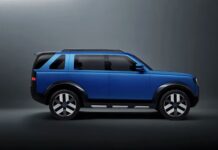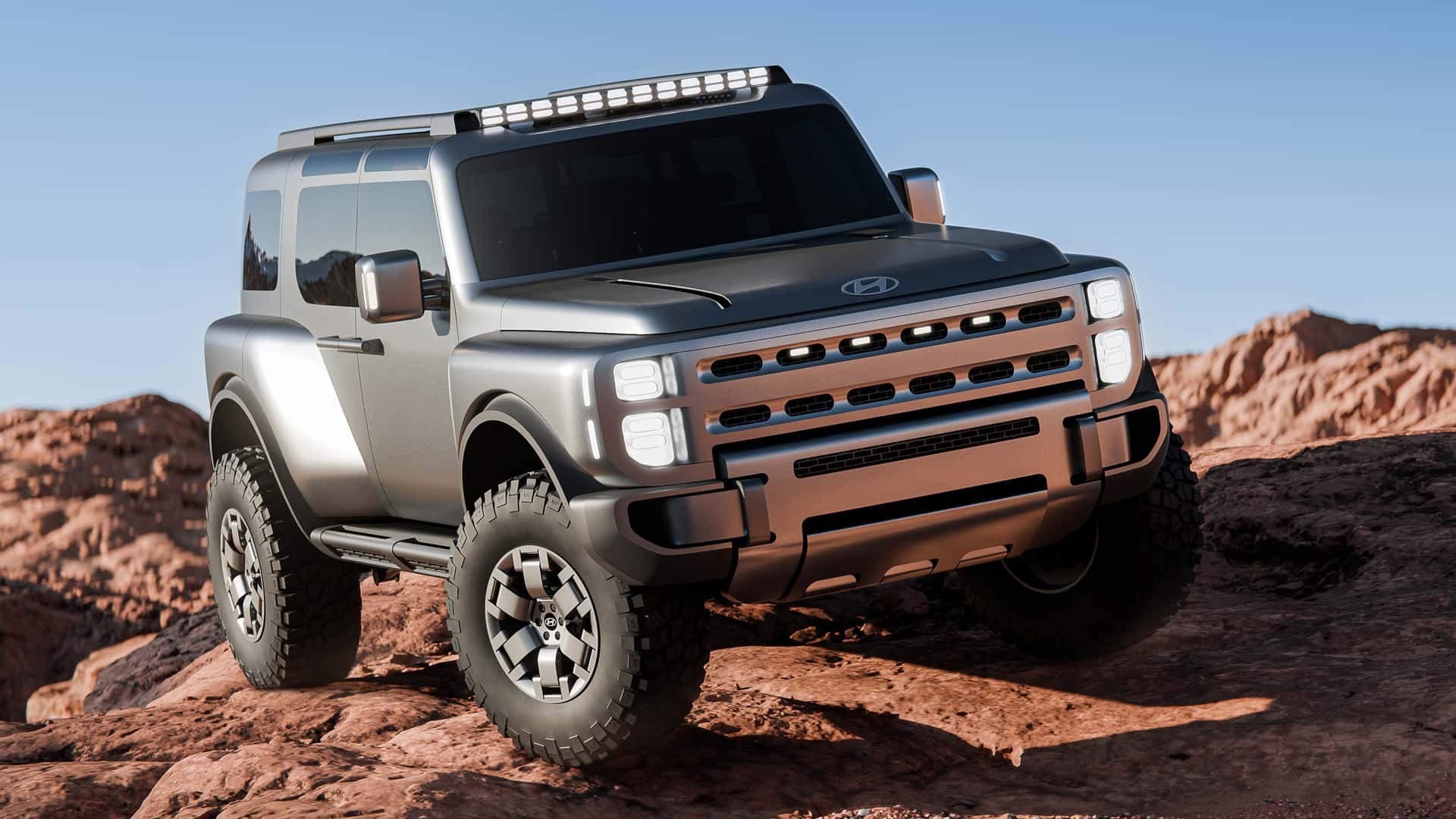
Hyundai is aggressively moving forward with plans to enter the competitive truck and rugged SUV market, previewing its first body-on-frame platform with the bold, angular “Boulder” concept. This development marks a significant expansion for the automaker, which has historically focused on unibody construction for most of its vehicles.
First Look at the New Platform
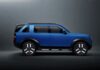
The Boulder concept is more than just a design exercise; it’s a direct preview of the platform that will underpin Hyundai’s first midsize pickup truck, slated to arrive before 2030. This platform won’t be limited to trucks either, with Hyundai confirming plans to also use it for future SUVs, likely including an off-road-focused model closely resembling the Boulder itself.
The move into body-on-frame construction is a direct response to consumer demand for more durable, capable vehicles. While unibody designs are lighter and better for on-road handling, body-on-frame setups provide superior strength and off-road performance. Hyundai is betting this will appeal to buyers who value capability over refinement.
Design and Features
The Boulder showcases a distinctly rugged aesthetic, adopting Hyundai’s new “Art of Steel” design language. Key features include aggressive approach and departure angles, 37-inch mud-terrain tires, and a tailgate with a double-hinge that allows it to open in either direction. The rear window also features a power drop-down function, adding to the vehicle’s utility.
Inside, the concept features a unique retro-futuristic cabin design. Instead of a traditional instrument cluster, vital vehicle information is projected onto the windshield, similar to a full-width head-up display. The dashboard incorporates multiple physical controls alongside four small square displays, a deliberate departure from the trend toward single, oversized touchscreens.
Powertrain Options and Market Position
Hyundai hasn’t revealed specific powertrain details for the body-on-frame platform, but it’s expected to accommodate a range of options, including pure electric, combustion, and hybrid setups. This flexibility will allow Hyundai to cater to diverse consumer preferences.
The company’s entry into the midsize truck segment will put it in direct competition with established players like the Toyota Tacoma, Chevrolet Colorado, and Ford Ranger. However, Hyundai’s proven track record of offering compelling value and modern features suggests it could quickly gain market share.
Hyundai’s decision to develop a body-on-frame platform is a clear signal that the company is serious about competing in the truck and SUV segment. This move is likely to disrupt the market by offering a fresh alternative to existing offerings.
Hyundai’s commitment to this platform is evident, with the automaker emphasizing that it’s still in the early stages of development but committed to delivering production models by the end of the decade. The Boulder concept is not just a glimpse into the future; it’s a promise of what’s to come.