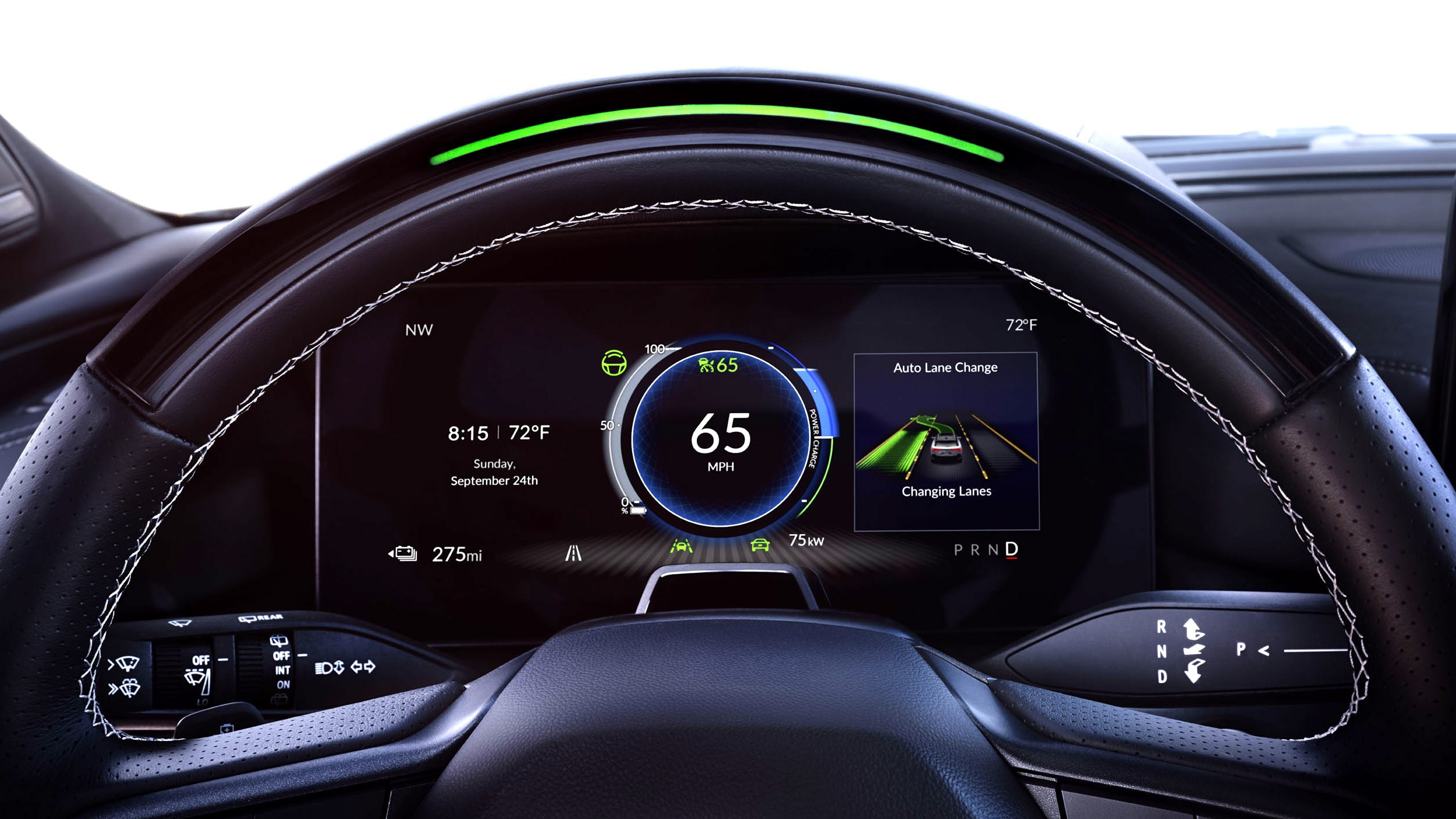
A software glitch is causing instrument clusters and infotainment screens to go blank in over 65,000 Honda Prologue and Acura ZDX electric vehicles, triggering a recall in the United States. The issue stems from defects within the vehicles’ Radio Control Module (RCM), potentially leaving drivers without crucial data like vehicle speed or access to the rearview camera.
The Problem Explained
The National Highway Traffic Safety Administration (NHTSA) has issued a notice detailing six separate software errors within the RCM that can disrupt the flow of information to the instrument cluster and central display. This means drivers could lose visibility of key driving metrics, including speed and warning signals, and the backup camera might fail when shifting into reverse. While Honda reports no injuries or fatalities linked to the issue, 148 warranty claims have been filed related to the problem.
Which Models Are Affected?
The recall encompasses a significant portion of the ZDX and Prologue production runs:
- Acura ZDX (2024): 19,573 units built between December 19, 2023, and January 22, 2025. Notably, Acura discontinued the ZDX after just one year due to slow sales.
- Honda Prologue (2024): 45,562 units manufactured between October 10, 2023, and December 21, 2024.
Honda estimates that approximately 1% of the recalled vehicles will actually experience the issue, but the recall affects all vehicles within the specified production windows as a precaution.
What Owners Need to Know
Dealerships have been directed to update the RCM software to resolve the processing errors. Owners of affected vehicles will be notified starting April 20 and are encouraged to schedule service appointments promptly. The fix is intended to prevent the data transmission failures that cause the display malfunctions.
Context and Implications
This recall highlights the challenges automakers face in rapidly scaling EV production, particularly when relying on software-intensive systems. The ZDX’s short lifespan and the Prologue’s lackluster sales suggest Honda and GM may need to re-evaluate their EV strategy. Software glitches in critical systems like displays are a growing concern as vehicles become more reliant on digital interfaces, underscoring the importance of robust quality control and over-the-air update capabilities.
The incident demonstrates that even in advanced technologies, software vulnerabilities can disrupt core vehicle functions, raising questions about long-term reliability and customer trust.