American electric vehicle (EV) manufacturer Lucid Motors is shifting its strategy from high-end luxury to mass-market accessibility. By developing a new mid-size platform designed specifically for right-hand drive (RHD) markets, the company is clearing a path for entry into the UK and potentially Australia.
A Strategic Pivot Toward the Mass Market
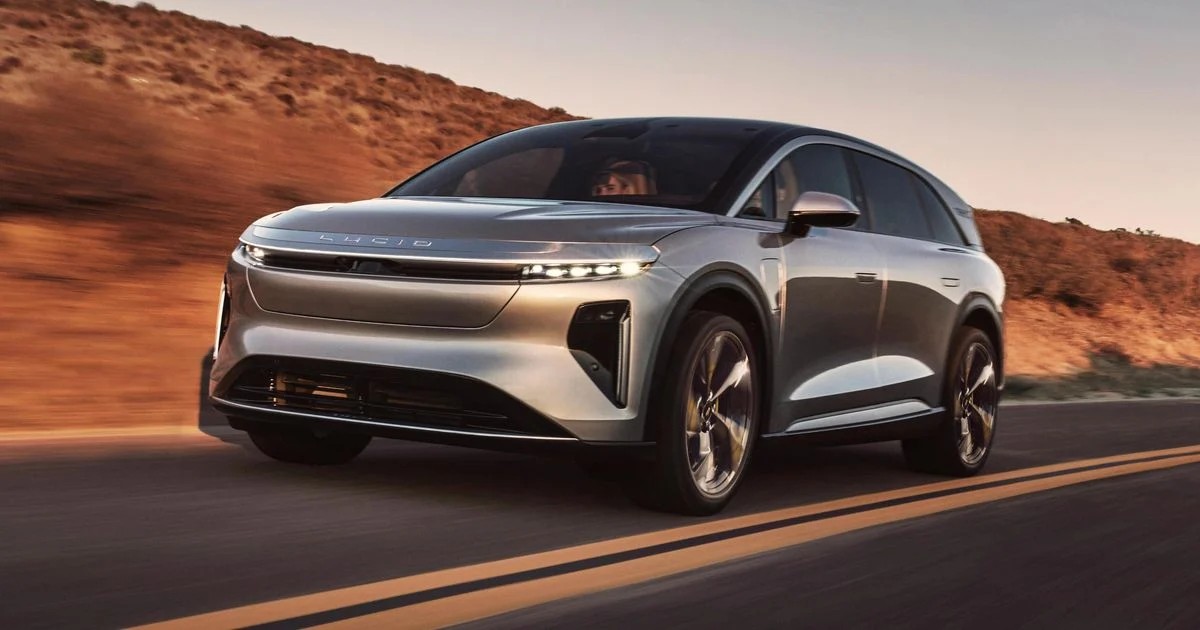
Since its inception, Lucid has focused on the ultra-premium segment with the Lucid Air sedan and the Gravity large SUV. While these models established the brand’s technological prestige, they were primarily designed for left-hand drive markets.
The upcoming Cosmos —a mid-size electric SUV—represents a fundamental change in direction. Unlike its predecessors, the Cosmos is being engineered from the ground up to support right-hand drive production. This move is driven by economic logic:
– Cost Efficiency: Engineering RHD versions for luxury models like the Air or Gravity requires massive capital investment.
– Volume Potential: The mid-size segment offers much higher sales volumes, providing the “return on investment” necessary to justify RHD production lines.
– Market Accessibility: A target starting price of under US$50,000 (approx. A$74,825) positions the Cosmos to compete directly with high-volume rivals like the Tesla Model Y.
The New Product Roadmap
Lucid is moving away from being a niche luxury player toward a broader ecosystem of electric vehicles. The company’s roadmap includes several key models built on a new, efficient 800V electrical architecture :
- The Cosmos (2027): A sleek, mainstream mid-size SUV designed for urban and suburban drivers.
- The Earth (2028): A more rugged, “adventure-focused” derivative of the Cosmos, aimed at the premium off-road market currently dominated by vehicles like the Land Rover Defender.
- Future Derivatives: Larger, more practical versions of the Cosmos platform to expand the lineup further.
Production for these new models is expected to begin at Lucid’s recently completed facility in Jeddah, Saudi Arabia, leveraging the support of its majority shareholder, the Saudi Arabian sovereign wealth fund.
Implications for Australia and the UK
For markets like the UK and Australia, this news is significant. Currently, many luxury EV brands struggle to enter RHD markets because the cost of re-engineering their flagship models is too high. By building RHD capability into the foundation of their mid-size platform, Lucid removes the primary barrier to entry.
If the Cosmos succeeds, it could eventually fund the development of RHD versions of the larger Gravity SUV, bringing the full Lucid lineup to Australian shores. This would place Lucid in direct competition with existing luxury EV players in the region, such as Polestar, Zeekr, and Cadillac.
Commitment to Pure Electric
Despite the expansion into more affordable segments, Lucid remains ideologically committed to a single technology. The company has ruled out the development of hybrid or extended-range electric vehicles (EREVs), maintaining a strict focus on Battery Electric Vehicles (BEVs).
“The strategy was always quite clear… Air and Gravity are proofs of concept and brand-building. Mid-size models will provide that capability to a bigger mass market.” — Lawrence Hamilton, Lucid European President
Conclusion
Lucid is transitioning from a luxury “halo brand” to a high-volume manufacturer by targeting the lucrative mid-size EV segment. By prioritizing right-hand drive engineering for its new platform, the company is positioning itself for a major global expansion into markets like the UK and Australia.