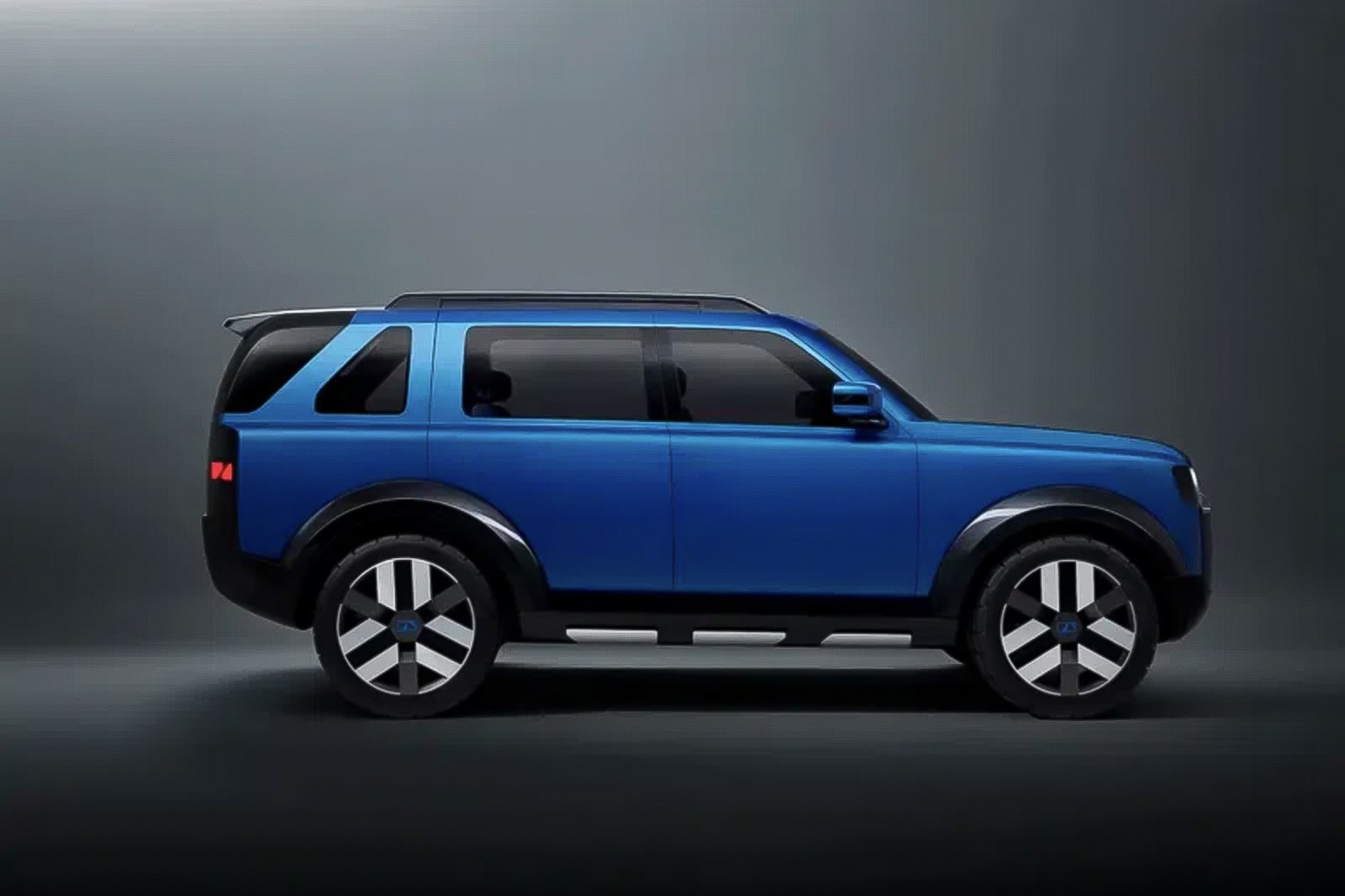
The relaunch of Freelander through a joint venture between JLR and Chery raises a critical question: where does this new brand fit within Land Rover’s existing portfolio? The first model, a three-row plug-in hybrid SUV, boasts familiar off-road styling and cutting-edge technology – including a panoramic screen reminiscent of BMW’s design – but relies heavily on Chery’s established platform and components. This immediately positions it as a potentially disruptive force within JLR’s own showrooms.
The Freelander Advantage: Cost and Tech
The Freelander’s key advantage lies in its cost-effectiveness. Built on Chery’s ubiquitous T1X platform (already proven successful with models like the Omoda 9 and Tiggo 9), it can undercut JLR’s existing models while offering comparable features. This is particularly significant for markets like the UK, where price sensitivity is growing, and where the Freelander already carries brand recognition.
However, the biggest risk isn’t market acceptance – it’s internal cannibalization. The Freelander’s likely price point and feature set could directly threaten sales of the Discovery Sport and even the full-size Discovery.
The Defender Sport Under Pressure
The most immediate casualty could be the upcoming Defender Sport, planned for release next year on JLR’s EMA electric platform. While the Defender Sport will offer a premium, all-electric experience, it will come with a higher price tag and lack the plug-in hybrid option of the Freelander. This price difference, combined with the Freelander’s proven platform, could make the Chinese-built SUV a more compelling choice for many buyers.
JLR’s Strategic Options
JLR has several potential responses:
- Upmarket Derivative: Commission a higher-spec Freelander variant (perhaps a “Defender Sport 130” PHEV) for export markets. This would leverage the cost benefits of the Chery platform while maintaining a premium finish and stronger brand association.
- Radical Repositioning: Embrace the disruption and allow Freelander to effectively replace the entry-level Discovery. Chery’s willingness to experiment with new brands, combined with JLR’s brand curation expertise, could create a powerful, cost-competitive offering.
“Chery has shown it is more than willing to inundate markets with new brands as it experiments with what works and what doesn’t. JLR meanwhile is the brand curator par excellence.”
The Future of Discovery?
The Freelander’s emergence forces JLR to confront a fundamental question: is it willing to sacrifice some margin for volume, or will it prioritize exclusivity at the expense of market share? The answer could redefine the future of the Discovery lineup, potentially shifting the brand’s focus upwards while allowing Freelander to dominate the entry-level segment.
Ultimately, the success of Freelander will depend on how JLR manages the internal competition. The brand has the potential to revitalize JLR’s appeal in price-sensitive markets, but only if the company is willing to disrupt its own established hierarchy.