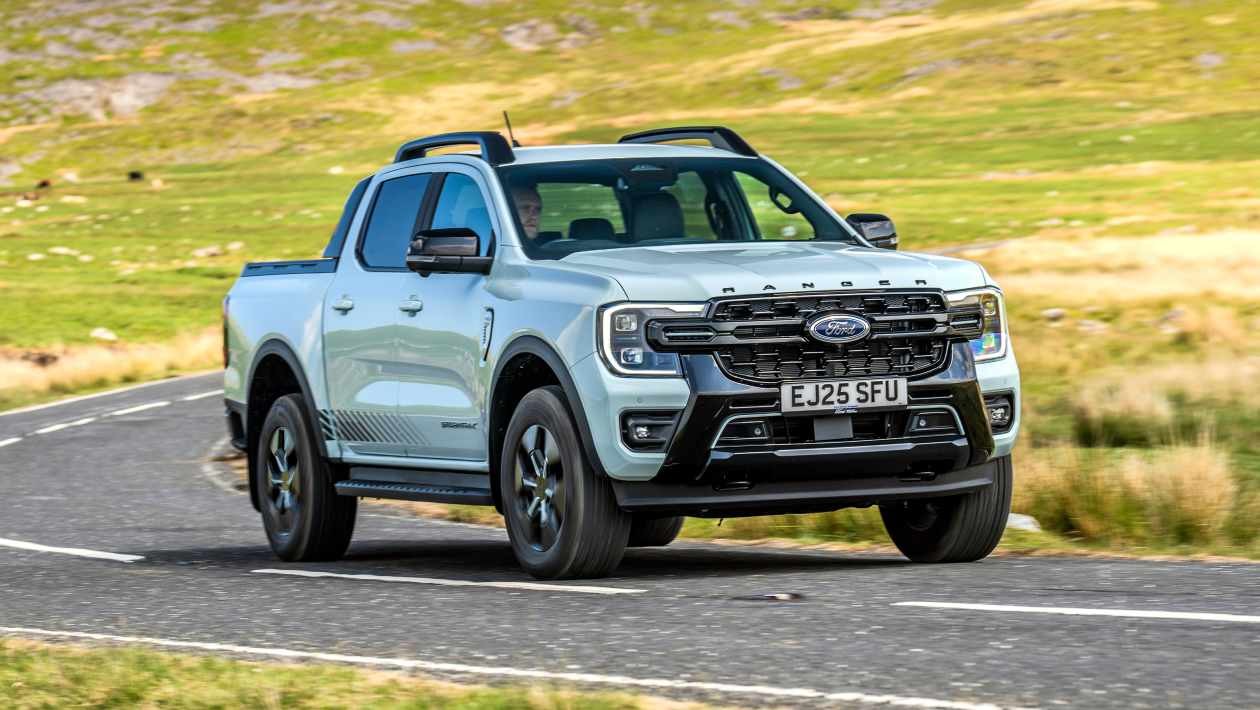
Ford is phasing out its smaller diesel engines in the Ranger pick-up truck lineup, responding to a shift in buyer preference towards the plug-in hybrid (PHEV) model. This change is driven in part by upcoming tax reforms that will make diesel pick-ups significantly more expensive for company car users.
The Diesel Engine Phase-Out
The 2.0-liter diesel engines, previously available in 168bhp and 202bhp variants, will be discontinued by the end of the year. Ford will continue to offer a larger, 237bhp 3.0-liter diesel option for customers who regularly tow heavy loads. However, the company argues that the PHEV’s performance and efficiency make the smaller diesels redundant.
Tax Changes Fueling the Shift
Until recently, pick-up trucks enjoyed favorable tax treatment, particularly as company vehicles. Owners avoided Benefit-in-Kind tax almost entirely. But, new regulations taking effect in April 2025 will treat pick-ups like standard cars, subjecting them to higher taxes based on their emissions. This means higher monthly bills for drivers. The Ranger PHEV, with its lower emissions, offers a substantial cost advantage, potentially saving drivers thousands annually.
The Rise of the Plug-In Hybrid
The Ranger PHEV combines a 2.3-liter EcoBoost engine with an electric motor and a 12kW battery. It delivers 277bhp and boasts an electric range of up to 27 miles, along with a claimed fuel consumption exceeding 90mpg. Currently, Ford’s Ranger stands as the only plug-in hybrid pick-up available in the UK.
Electric Competition on the Horizon
While Ford currently dominates the PHEV segment, competition is emerging. KGM and Maxus offer full-electric pick-ups, and Toyota will launch its Hilux BEV next summer. This suggests that electric and hybrid drivetrains are poised to reshape the pick-up market in the coming years.
The shift away from diesel in the Ford Ranger reflects broader trends: stricter emissions regulations, rising fuel costs, and the growing appeal of electrified vehicles. These forces are reshaping the pick-up truck landscape, forcing manufacturers to adapt or risk being left behind.