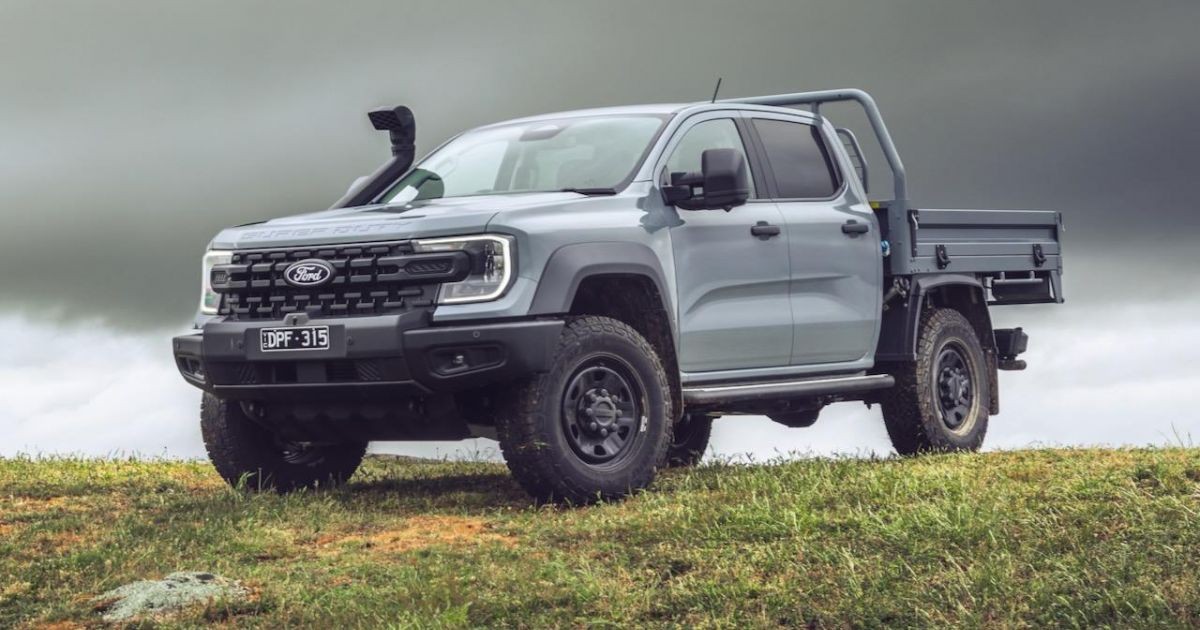
The Ford Ranger Super Duty is more than just an updated ute; it’s a vehicle designed from the ground up in Australia to fill a critical gap in the market. Unlike many vehicles assembled here with foreign designs, the Super Duty’s development was led entirely by Ford Australia, beginning with an idea in 2018. This isn’t simply a rebadged import – it’s a direct response to demands from industries like mining, forestry, agriculture, and emergency services.
The Need for a True Aussie Ute
For years, the heavy-duty ute segment has been dominated by the Toyota LandCruiser 70 Series and niche players like the now-discontinued Nissan Patrol and Mercedes-Benz G-Class Professional. These vehicles cater to buyers needing serious payload and towing capacity without stepping into full-size truck territory. The Super Duty directly targets this underserved market, offering a vehicle purpose-built for work, not just lifestyle.
The genesis of the Super Duty came from a direct request: a customer told Ford there was no vehicle that met all their needs. This sparked the idea that led to a years-long development process where Ford engineers listened to industry professionals. As Justin Capicchiano, chief program engineer, put it, “We went out and listened… until you couldn’t listen anymore.”
What Makes It Different?
The Super Duty isn’t just a cosmetic upgrade. Ford fundamentally re-engineered the Ranger platform to meet six core requirements: payload, towing, safety, ecosystem integration, capability, and efficiency. Here’s what sets it apart:
- Reinforced Chassis: Thicker, reinforced steel provides a higher gross vehicle mass (GVM) of 4500kg and a gross combined mass (GCM) of 8000kg.
- Upgraded Components: Suspension, steering, brakes, and drivetrain were all redesigned for heavy-duty use. It even borrows eight-stud wheel hubs from the US-market F-250 Super Duty.
- Enhanced Durability: A 130-liter fuel tank, upgraded engine cooling, and 4mm-thick steel underbody armor protect vital components. The armor is so robust, Ford claims it can withstand the entire weight of the vehicle during off-road recovery.
- Integrated Technology: Built-in weight scales help avoid overloading, a common issue in commercial fleets.
A Direct Challenge to Toyota
Ford isn’t shy about its target. CEO Andrew Birkic directly calls out the Toyota LandCruiser 70 Series as the primary competitor, even making pointed remarks about the LandCruiser’s basic features. This aggressive positioning signals Ford’s intent to disrupt Toyota’s long-held dominance in the heavy-duty ute market. The Super Duty also eyes cab-over trucks like the Isuzu N-Series, further expanding its competitive reach.
The takeaway is simple : Ford has identified a neglected segment and responded with a vehicle designed, engineered, and tested in Australia to meet specific industry demands. The Ranger Super Duty isn’t just another ute; it’s a purpose-built workhorse ready to challenge the status quo.