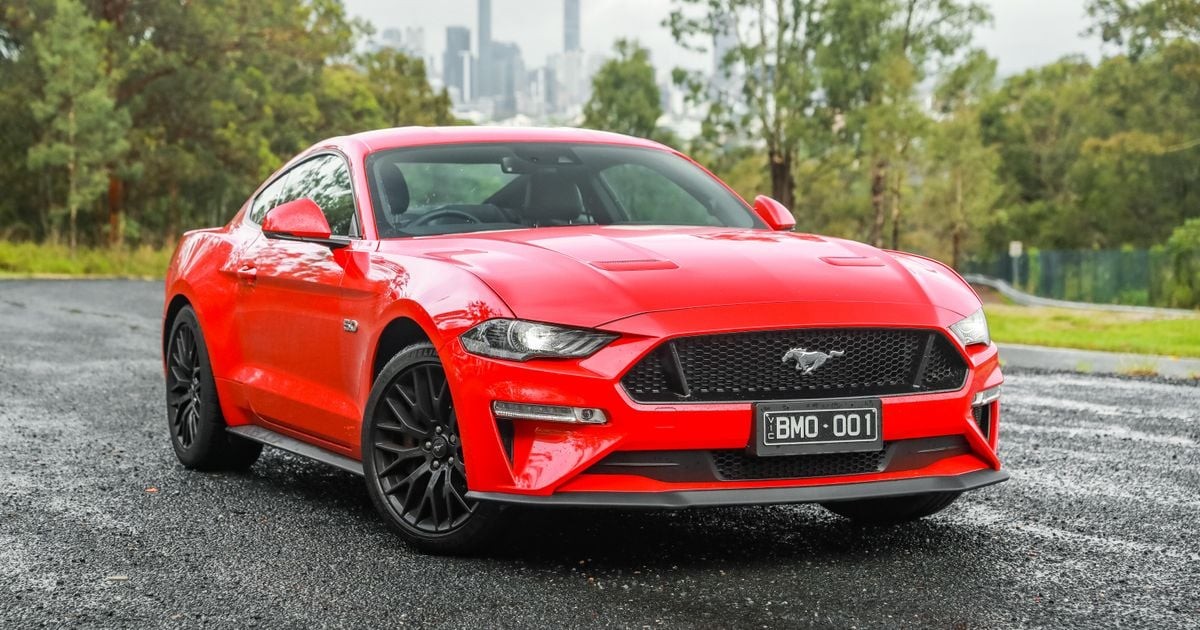
Ford is recalling an additional 207 Mustang vehicles manufactured between 2021 and 2023 due to a critical software flaw that could compromise driver safety. This issue prevents the brake fluid warning light from activating when levels are dangerously low, potentially leading to reduced braking performance and an elevated risk of accidents.
Repeated Defect, New Fix Needed
This is not the first time Ford has addressed this problem. In 2023, 9,194 Mustangs were previously recalled for the same software glitch. However, the current recall affects even vehicles that underwent the prior fix, as an incorrect software update was initially deployed. Owners who previously had the repair performed must revisit a dealership for the corrected update.
The Danger: Why Low Brake Fluid Matters
Low brake fluid levels can introduce air into the braking system, diminishing its effectiveness. The warning light is designed to alert drivers before this happens, allowing them to address the issue before a dangerous situation arises. Without this warning, drivers may not realize the problem until braking performance is significantly impaired, creating an immediate safety hazard for themselves and others on the road.
How to Check if Your Vehicle Is Affected
The recall impacts Mustangs produced between 2021 and 2023. To determine if your vehicle is included, refer to the Vehicle Identification Number (VIN) list attached in the original recall notice. If your VIN is on the list, schedule a free software update at an authorized Ford dealership immediately.
Next Steps: Dealership Visit Required
The fix involves updating the Body Control Module (BCM) software. The update is provided free of charge to all affected owners. Contact Ford’s Customer Relationship Centre at 133 673 if you have further questions or need assistance scheduling an appointment.
This recall highlights the importance of software integrity in modern vehicles, where even seemingly minor glitches can have life-threatening consequences. The fact that this issue resurfaced after a prior recall underscores the need for rigorous testing and quality control in automotive software development.