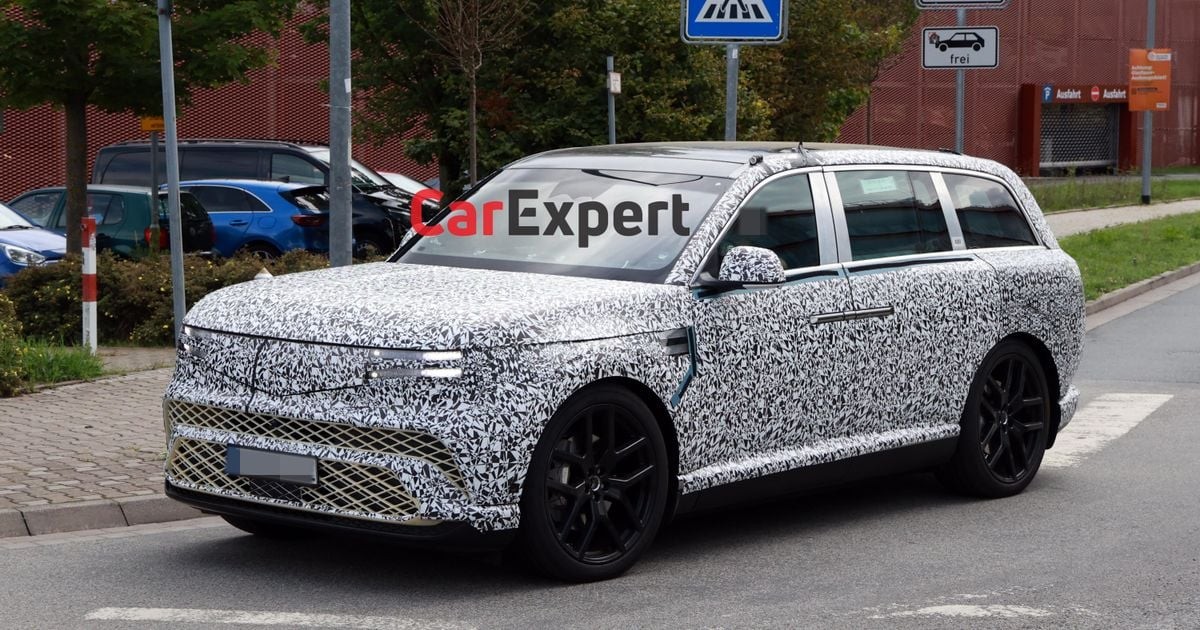
The highly anticipated Genesis GV90, the brand’s flagship electric SUV, has once again been pushed back from its planned release. According to reports from South Korea, the delay stems from both technical difficulties and internal restructuring within Hyundai Motor Group (HMG), Genesis’ parent company. The launch, previously slated for April 2026, is now expected sometime in the second half of that year.
Autonomous Driving Complications
The primary obstacle appears to be integrating Level 3 autonomous driving capabilities. This technology, which allows for hands-off driving under certain conditions, requires extensive testing and refinement. The GV90 has been observed undergoing tests with unusual sensor configurations, suggesting ongoing efforts to achieve Level 3 functionality. This is a significant hurdle, as the automotive industry grapples with the complexities and costs of deploying advanced driver-assistance systems (ADAS).
For context, while Tesla’s “Full Self-Driving” is marketed aggressively, it currently operates at Level 2 automation, requiring constant driver supervision. Mercedes-Benz offers a Level 3 system in select markets, but its availability is limited to specific road conditions and scenarios. Genesis aims to compete directly with luxury brands like BMW and Mercedes-Benz, making advanced autonomy a critical feature of the GV90.
Design Changes and Personnel Shifts
The delay has also prompted a reevaluation of certain design elements. The original plans for Rolls-Royce-style rear-hinged “coach doors” have reportedly been scrapped in favor of conventional doors. This suggests that Genesis is prioritizing practicality and cost-effectiveness over the initial, more extravagant concept.
Adding to the complexity, key leadership changes within HMG and Genesis itself have contributed to the delay. In December, Sean Lee was appointed global head of Genesis, bringing extensive experience in the North American market. This move signals a strategic shift toward global expansion and adaptation. Jose Muñoz’s appointment as Hyundai Motor Company CEO in January 2025 further reinforces this trend, marking the first time an outsider has held the position.
Broader Industry Context
The GV90’s delays arrive at a time of shifting EV market dynamics. While electric vehicle growth remains substantial, it has slowed compared to earlier projections. Hybrid vehicles have experienced a resurgence, putting pressure on automakers heavily invested in fully electric models. This is a key factor, as manufacturers reassess their electrification strategies to align with consumer demand and evolving market conditions.
HMG’s massive investments in EVs make the GV90 a critical project. A successful launch is essential to demonstrate the company’s commitment to future mobility. The GV90 was originally expected to enter production in November 2025, but these timelines have now been revised.
The latest setbacks highlight the challenges of bringing cutting-edge technology to market, particularly in the competitive luxury segment. Genesis is navigating a complex landscape of engineering hurdles, leadership transitions, and changing consumer preferences. The GV90’s launch will depend on overcoming these obstacles and delivering a compelling product that justifies its delayed arrival.