Toyota is now selling fully electric vehicles (EVs) in China for prices that rival or even beat the cost of a well-used 15-year-old Corolla in the United States. This drastic price difference highlights a growing divergence in automotive markets, where EVs are becoming increasingly affordable, especially in China, while traditional used car values remain relatively high in other regions.
The Price Disparity: How Low Can It Go?
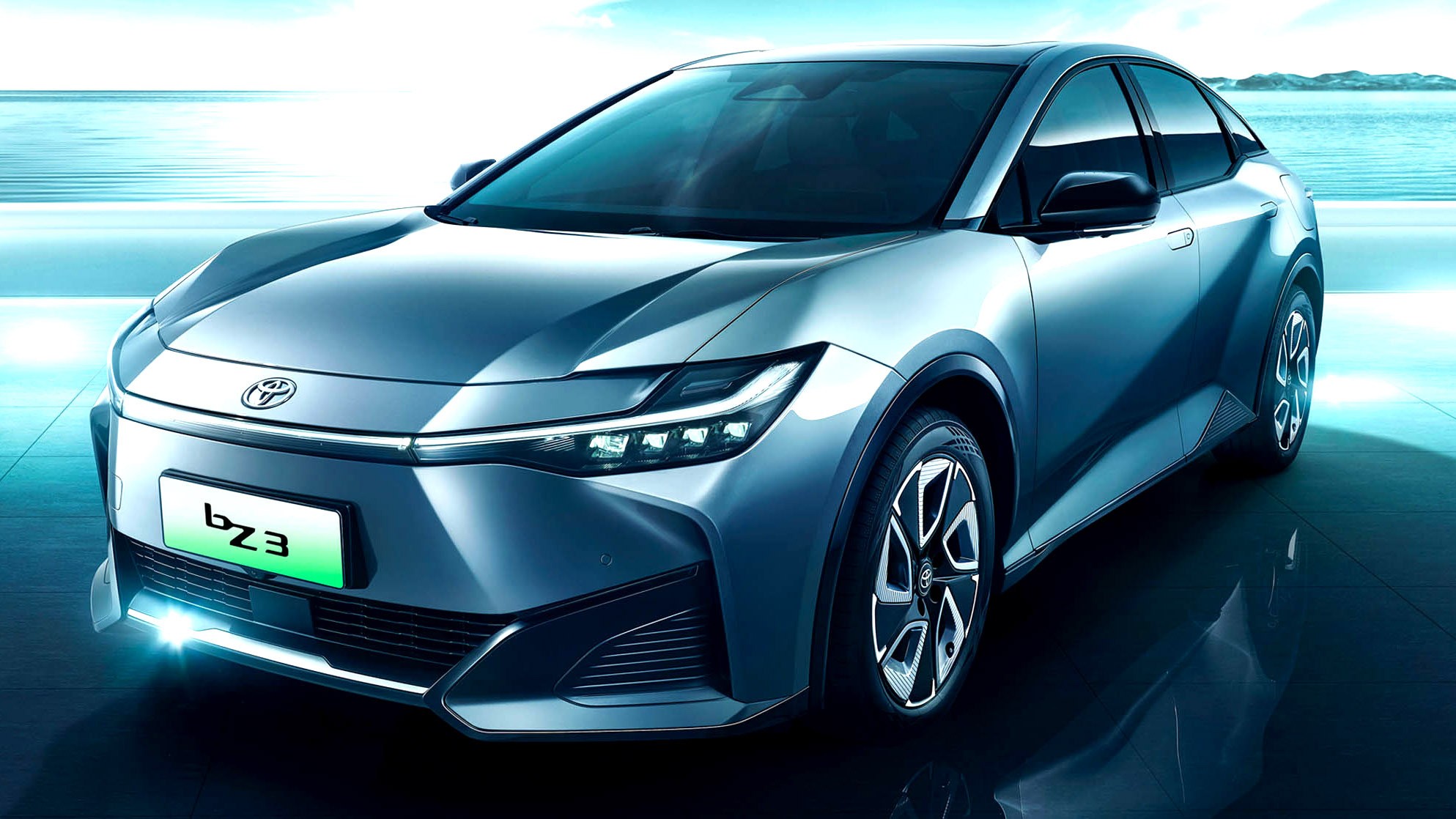
The bZ3X SUV, manufactured through Toyota’s joint venture with GAC, recently saw its starting price drop to 99,800 yuan—approximately $14,400. This is a significant reduction from its initial price of around $15,800 and well below the average $14,000 cost of a comparable used Corolla in the U.S. The bZ3 sedan is even cheaper, now priced at roughly $13,500, making it one of the most affordable EVs on the market.
This price point is not just competitive; it’s disruptive. It forces a re-evaluation of how much a new car should cost and raises questions about why similar pricing doesn’t exist elsewhere. The primary reason is China’s aggressive push for EV adoption through subsidies, local manufacturing advantages, and intense competition within the domestic market.
Performance and Features: What Do You Get For The Money?
Despite the low cost, these vehicles are well-equipped. The bZ3X offers a range of up to 379 miles (610 km) with the larger battery options, powered by a 221-horsepower electric motor. The bZ3 sedan, leveraging BYD’s Blade battery technology, provides a range of up to 383 miles (616 km).
Both models also include modern features such as:
– Large 15.6-inch infotainment displays
– Digital gauge clusters
– Panoramic sunroofs
– Wireless smartphone charging
– Advanced driver-assistance systems (Level 2 semi-autonomous driving)
For under $15,000, these features are exceptional, further underscoring the value proposition.
Market Impact: China’s EV Dominance
The bZ3X has become a best-seller in China, topping joint venture EV sales for five consecutive months starting in September. This success demonstrates a clear consumer preference for affordable EVs, especially when priced significantly below traditional gasoline-powered alternatives.
The rapid adoption of these vehicles in China is not just about price; it’s about a shift in consumer expectations and a government-backed push toward sustainable transportation.
This trend raises questions about the future of automotive pricing globally. If EV technology continues to mature and production costs decrease, similar price drops could eventually occur in other markets. However, trade barriers, import duties, and regulatory differences mean that for now, the most affordable EVs remain largely confined to China.
The situation highlights a critical gap in automotive affordability between regions, making China the epicenter of the EV revolution.