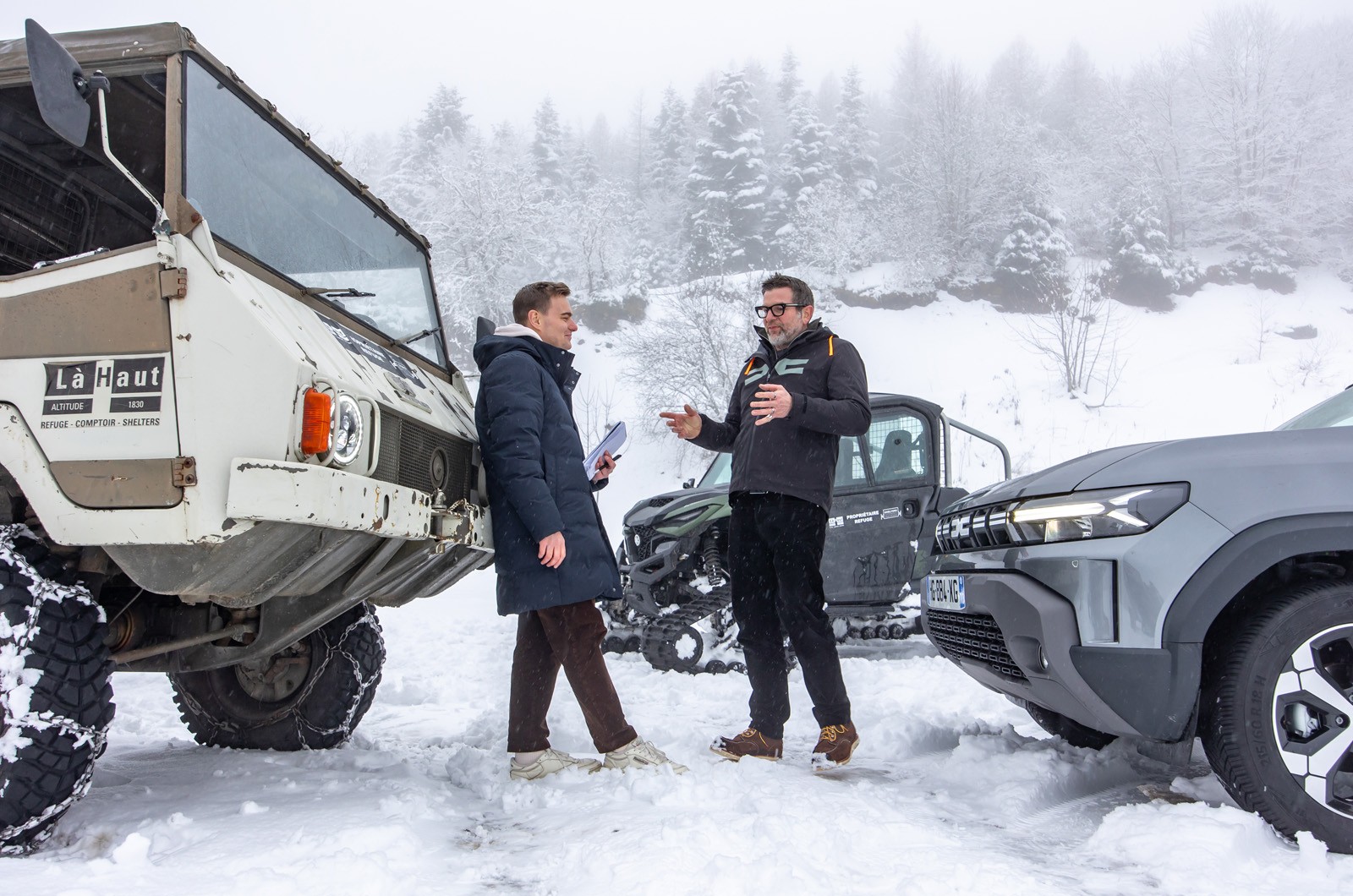
Dacia, historically known for its no-frills, affordable cars, is undergoing a significant transformation. Its design boss, David Durand, is spearheading a shift towards a more rugged, outdoorsy brand image. Rather than traditional marketing or studio presentations, Durand chose to demonstrate this vision in the French Alps, at an elevation of over 1800 meters—a deliberate choice to emphasize the environments that inspire the brand’s new direction.
A Shift in Philosophy
For nearly three decades, Durand has been with the Renault Group, beginning as an exterior designer and eventually rising to oversee Dacia’s design. Early work included the unconventional Koleos and Ellypse concepts, showcasing a willingness to push boundaries. Now, as design chief, he’s applying that spirit to Dacia, moving beyond purely budget-focused models.
The change isn’t merely aesthetic. It’s part of a broader “Renaulution” strategy initiated by former Renault CEO Luca de Meo, aimed at repositioning the entire brand. Where Dacia once stood for bare-bones functionality—steel wheels, plastic bumpers, stripped interiors—it now aims for a blend of utility and “cool factor.”
The Alpine Inspiration
Durand grew up in the French Alps and sees these mountains as integral to Dacia’s new identity. His personal background in outdoor pursuits—sailing, cycling, climbing, skiing—fuels his design choices. He believes the brand’s cars should embody the same straightforward practicality and robustness as the natural environments they’re intended to explore.
The 2020 Bigster concept was a pivotal step in this process, previewing a more aggressive, off-road-inspired aesthetic for the lineup. Durand has continued to evolve this direction, emphasizing the brand’s core strength: no-nonsense, intuitive usability.
Why This Matters
Dacia’s redesign reflects a wider trend in the automotive industry: brands seeking to transcend mere transportation and become lifestyle enablers. This shift is driven by consumer demand for vehicles that align with outdoor hobbies and active lifestyles. The Alps were chosen to demonstrate this. By positioning itself as a rugged, adventure-ready brand, Dacia hopes to attract a new segment of buyers willing to pay slightly more for a car that reflects their passions.
This repositioning isn’t just about aesthetics; it’s about connecting the brand to the experiences people value most. The mountains serve as a physical reminder of the durability, utility, and adventurous spirit Dacia now wants to represent.