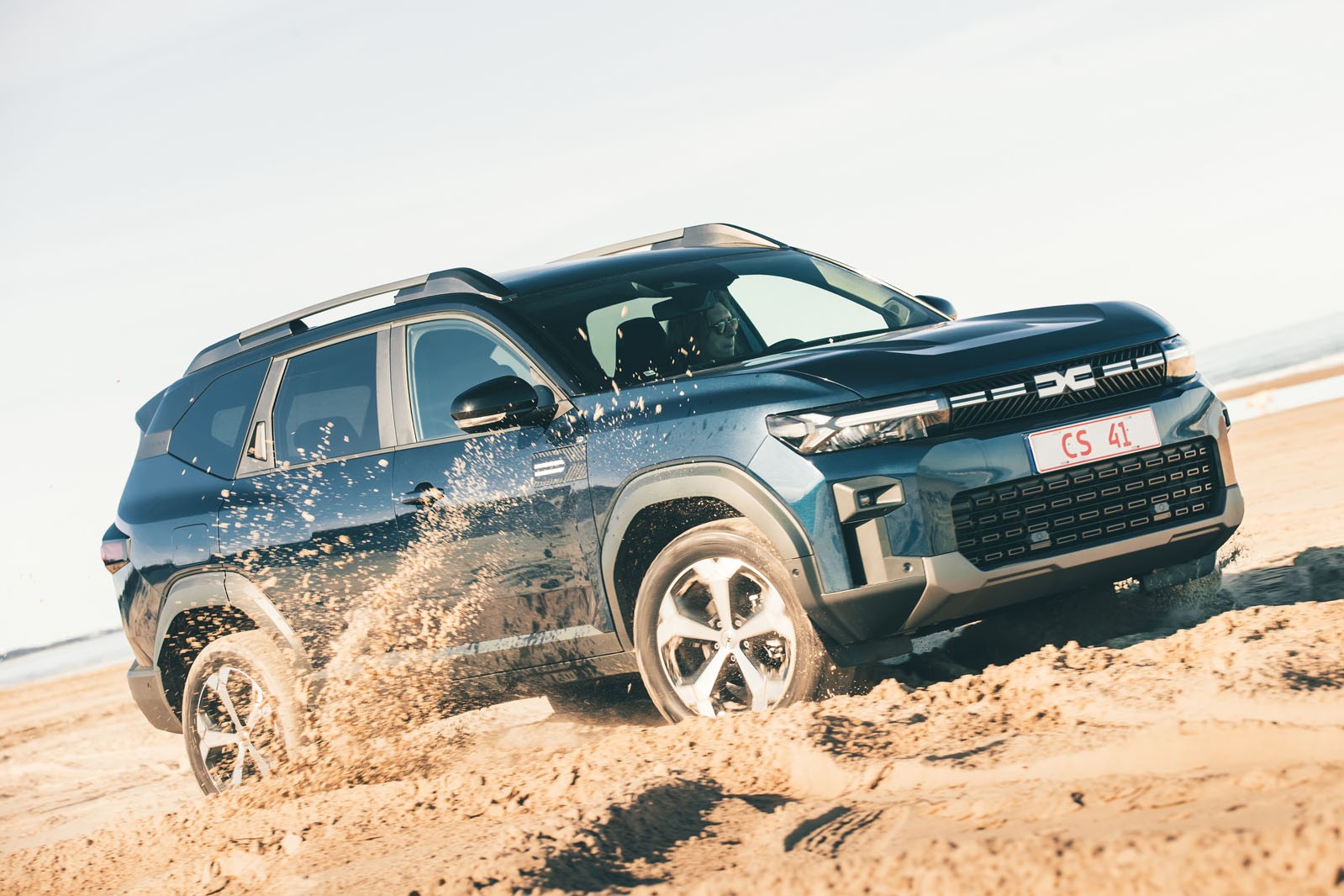
Dacia has once again disrupted the automotive market with the Bigster, a spacious and affordable crossover positioned between the popular Duster and pricier rivals. While not a luxury vehicle, the Bigster delivers surprising practicality, decent performance, and a compelling value proposition, especially for buyers who prioritize space and economy over premium features.
A Smart Approach to Engineering
Unlike some manufacturers who shoehorn existing platforms into new models, Dacia takes a more pragmatic approach. The Bigster is built on the CMF-B platform—a cost-effective foundation shared with other Renault Group vehicles—avoiding unnecessary expenses. This allows Dacia to offer a larger vehicle at a competitive price point. Essentially, it’s a stretched Duster with refinements, and those improvements will eventually trickle down to the Duster lineup.
Powertrain Options: Mild Hybrid and Full Hybrid
The Bigster offers two main powertrain options: a mild hybrid and a full hybrid. The top-spec full hybrid uses Renault’s proven E-Tech system, combining a 1.8-liter petrol engine with an electric motor. The hybrid delivers smooth acceleration, particularly from a standstill, and offers improved fuel efficiency without sacrificing performance.
The less expensive mild hybrid option, available with a six-speed manual gearbox, provides sufficient power for everyday driving. Although less refined than the full hybrid, the mild hybrid is still economical, achieving real-world fuel economy in the mid-40s MPG.
Interior Space and Practicality
The Bigster’s biggest advantage is its interior space. The rear legroom is up to 690mm—enough for adults to travel comfortably. The 677-liter boot (FWD mild hybrid) is larger than that of the Kia Sportage Hybrid, making it ideal for families or those who frequently transport large items. The rear seats also include USB-C ports and air vents, enhancing passenger comfort.
While interior materials are predominantly hard plastics—a cost-saving measure—the design is functional and durable. Some testers noted a lack of thigh support in the seats, but the overall cabin layout is logical and easy to use.
Driving Experience: Practical, Not Sporty
The Bigster prioritizes comfort over sportiness. The steering is light and intuitive, making it easy to maneuver in urban environments. The ride quality is decent, though not as refined as more expensive crossovers. The torsion-beam rear suspension—standard on most trims—limits handling precision but keeps costs down.
The full hybrid offers a smoother driving experience, with electric-only operation at low speeds. The mild hybrid is more engaging thanks to its manual gearbox, but the overall driving experience remains practical rather than thrilling.
Value and Affordability
The Bigster’s real strength lies in its affordability. Prices start around £25,000 for the base Mild Hybrid 140 trim, making it one of the most accessible crossovers on the market. The Hybrid 155 adds a premium of roughly £3,000, but offers better fuel economy and an automatic transmission.
Dacia’s finance deals are competitive, further enhancing the Bigster’s value. While it doesn’t match the interior quality or tech features of rivals like the Hyundai Tucson or Volkswagen Tiguan, it doesn’t need to—it’s priced accordingly.
The Verdict
The Dacia Bigster is a compelling option for buyers who prioritize space, affordability, and practicality. It’s not a luxury vehicle, but it delivers a lot for the money. If you’re looking for a roomy, economical crossover that won’t break the bank, the Bigster is worth considering. The mild hybrid model offers the best value, while the full hybrid provides a smoother, more efficient driving experience. Ultimately, Dacia has once again proven that you don’t have to spend a fortune to get a capable and well-equipped vehicle.