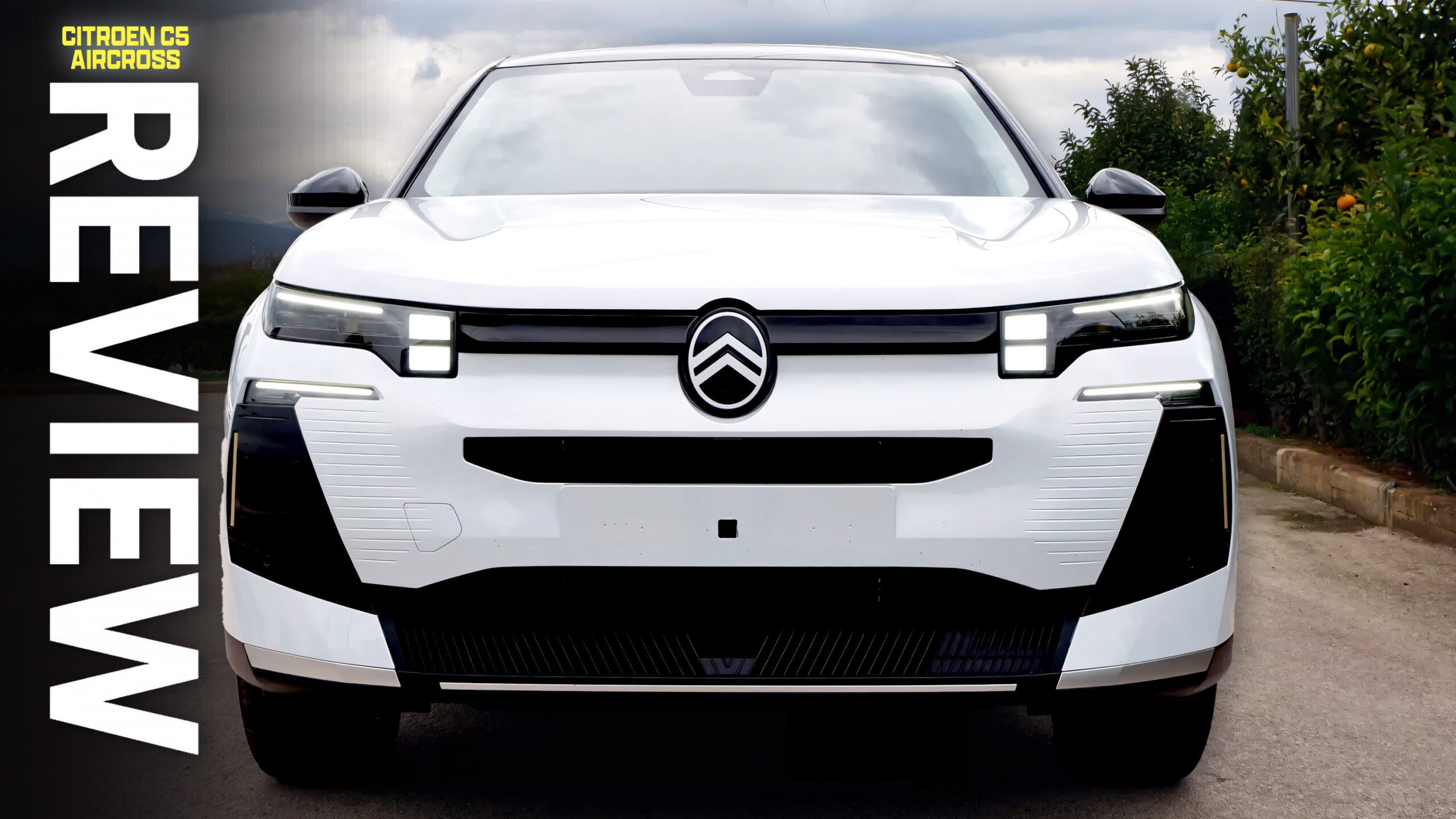
The compact SUV market in Europe is a battleground, and Stellantis is fighting on multiple fronts with mechanically-related models like the Jeep Compass, Opel Grandland, and Peugeot 3008. The latest contender is the redesigned 2026 Citroën C5 Aircross, now available at dealerships. This isn’t a vehicle aimed at adrenaline seekers; it’s a deliberate pivot towards comfort and practicality, standing in stark contrast to Jeep’s adventure-focused approach.
Refined Design, Expanded Dimensions
The new C5 Aircross immediately makes a bolder statement. It’s 150mm longer than its predecessor, now stretching to 4.652 meters, with a 60mm increase in wheelbase to 2.784 meters. This translates into improved proportions and a more modern aesthetic. The front end is wider and more aggressive with boxier headlights, while the rear features slim, protruding LED taillights for a futuristic touch. Wheel options range from 18 to 20 inches, with the top-spec Max trim getting subtle Gold accents.
A Lounge on Wheels: The Interior Transformation
Step inside, and the dominant feature is the massive 13-inch “Waterfall” display. While it’s the largest screen in a Stellantis vehicle, its functionality is debatable, with a portion dedicated to climate controls. Thankfully, Citroën retains physical controls for volume and shortcuts, avoiding endless menu diving. The 10-inch digital instrument cluster and optional head-up display provide further tech enhancements.
However, the real standout is the seating. Citroën has made the seats even plusher and more supportive, particularly in the rear, with added foam for longer journeys. While the previous model offered three individual rear seats with a sliding function, the new car feels wider with improved legroom. Boot capacity has grown to 651 liters, up from the previous range of 580–720 liters. Despite being a budget-brand within Stellantis, the cabin doesn’t feel cheap, thanks to fabric dash inserts and soft seat materials, though glossy black trim does attract fingerprints.
Comfort Over Cornering: How it Drives
The new C5 Aircross rides on the STLA Medium architecture, an evolution of the EMP2 platform. The suspension, with its signature hydraulic bumps, is even softer, smoothing out road imperfections even on 19-inch wheels. It remains the most comfortable SUV in its segment, prioritizing a relaxed ride over dynamic handling.
Body roll is noticeable in corners, but not jarring. The steering is ultra-light and disconnected, even more so than the previous model. The mild-hybrid 1.2-liter engine feels sluggish, completing the 0–100 km/h sprint in 11.2 seconds—slower than both the outgoing hybrid and the pre-facelifted non-electrified version. Owners of the discontinued diesel model will find the performance a step back. The plug-in hybrid (PHEV) with 193 hp is quicker, but the fully electric variant, generating up to 227 hp, remains the fastest option. Currently, the lineup is front-wheel drive (FWD), though an AWD EV version may follow suit.
Pricing and Competition
In Greece, the mild-hybrid C5 Aircross starts at €29,900 ($34,600), €2,200 ($2,600) more than the previous diesel versions. The fully electric model begins at €37,900 ($43,900), while the plug-in hybrid starts at €44,900 ($52,000). The high-spec plug-in hybrid Max reaches €48,900 ($56,600).
The C5 Aircross competes with rivals like the Jeep Compass, VW Tiguan, Renault Austral, Kia Sportage, Hyundai Tucson, Ford Kuga, and Skoda Karoq/Kodiaq. It is positioned alongside the Opel Grandland, striking a balance between the Peugeot 3008 and 5008.
The Verdict
The redesigned Citroën C5 Aircross doubles down on its strengths: distinctive styling, generous space, and class-leading comfort. It sacrifices driving engagement for a plush ride and practical features. The overly light steering and sluggish mild-hybrid engine won’t excite enthusiasts, but that’s not the point. Citroën has built a family-friendly SUV prioritizing comfort above all else.
Whether this formula will succeed in a competitive segment remains to be seen, but the C5 Aircross is a clear statement of intent: comfort first, everything else later.