Changan’s Deepal brand has officially commercialized its first-generation hydrogen fuel cell system, signaling a strategic move to expand the boundaries of zero-emission mobility. According to Yu Cheng, Deepal’s Global Product Development General Manager, the new system has already outperformed industry benchmarks by more than 10% across several key performance indicators.
This milestone is not merely a technical achievement but a rare step toward bringing hydrogen technology into the consumer passenger market.
Breaking Into the Passenger Segment
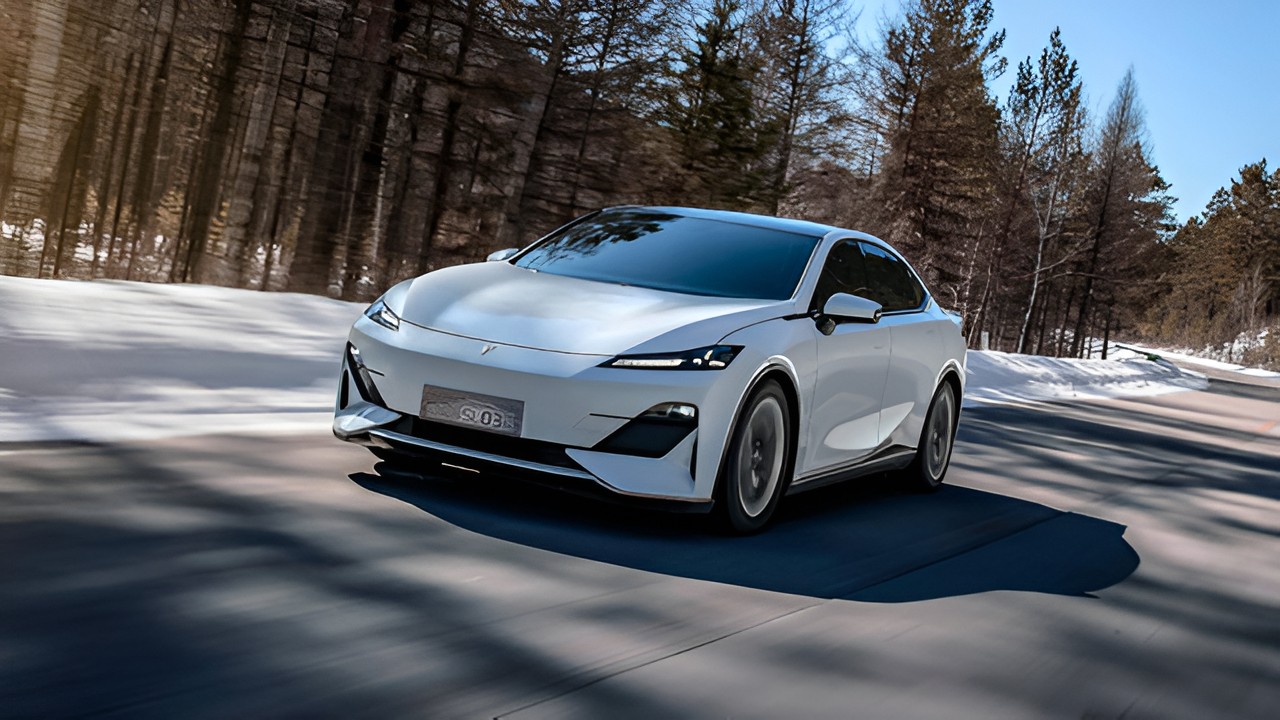
While hydrogen technology has traditionally been reserved for heavy-duty commercial fleets—such as trucks and buses—Deepal is pivoting toward passenger vehicles. The first-generation system is already integrated into the hydrogen-powered version of the Deepal SL03.
This move distinguishes Changan from many of its competitors, who have largely limited their hydrogen experiments to logistics and public transport. By applying fuel cell technology to passenger cars, Changan is testing the viability of long-range, rapid-refueling alternatives to the standard battery electric vehicle (BEV).
The Path to Affordability: Second-Generation Development
Despite the technical success of the SL03 variant, the industry faces a massive hurdle: cost. Hydrogen fuel cell vehicles (FCEVs) remain significantly more expensive to manufacture and operate than their battery-powered counterparts.
To address this, Changan is currently developing a second-generation fuel cell system with two primary objectives:
– Boosting efficiency: Improving the energy conversion process of the fuel cell stack.
– Reducing costs: Targeting both the fuel cell stack itself and the hydrogen storage systems, which currently represent a major portion of the vehicle’s total cost.
A Strategic Roadmap Toward 2027
Changan has laid out a clear timeline for its hydrogen ambitions, aiming to launch a dedicated next-generation hydrogen passenger vehicle in 2027.
This rollout is timed to coincide with several broader industrial trends in China:
1. Localization: Approximately 70% of core fuel cell components are now localized within China, which should help drive down prices.
2. Scaling: The national fleet of fuel cell vehicles has reached roughly 30,000 units, providing a growing foundation for the technology.
3. Infrastructure: The industry is moving from experimental pilot programs toward more predictable, scalable deployment.
Context: Hydrogen vs. Battery Electric
It is important to note that Changan is not attempting to replace battery electric vehicles (BEVs). Instead, hydrogen is being developed as a parallel technology pathway.
While BEVs dominate the consumer market due to established charging infrastructure and lower costs, hydrogen offers unique advantages for specific use cases, such as longer driving ranges and faster refueling times. Other major players, such as Geely, are also exploring similar “multi-pathway” strategies, offering hydrogen options alongside hybrid and electric systems.
The success of hydrogen in the passenger market will ultimately depend on whether Changan and its peers can lower costs enough to compete with the rapid advancements in battery technology.
Conclusion
Changan Deepal is positioning itself as a leader in the niche but high-potential hydrogen passenger market. By focusing on cost reduction and efficiency in its upcoming 2027 models, the company aims to transform hydrogen from a commercial fleet tool into a viable consumer alternative.