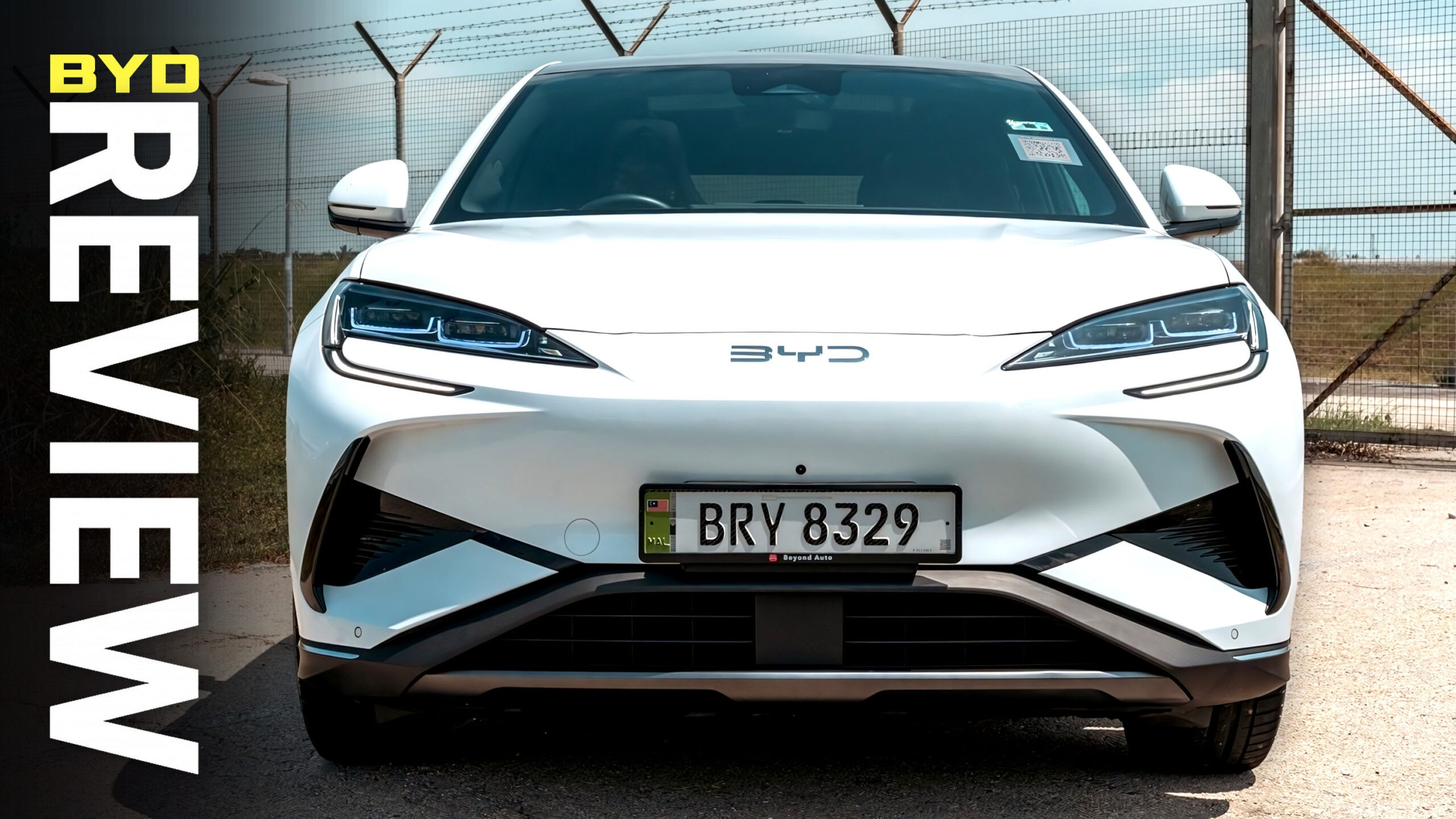
The electric vehicle market is evolving at breakneck speed, and Chinese automakers like BYD are no longer content to play second fiddle. The 2026 BYD Sealion 7 is a prime example: a mid-size electric SUV designed to challenge the Tesla Model Y and other established players, particularly in markets outside the United States where competition is fiercer. While it boasts impressive performance and a surprisingly refined interior, the Sealion 7 isn’t a perfect contender – and some trade-offs are apparent.
Positioning in a Crowded Field
BYD has rapidly expanded its EV lineup, offering models across various segments. The Sealion 7 falls into the “Ocean Series,” characterized by aquatic-inspired design cues. It aims for a more premium feel than BYD’s entry-level offerings, positioning itself against rivals like the Audi Q8 in terms of style. The Sealion 7 isn’t alone in this space, though. Other Chinese brands – Chery, Changan, and Zeekr – are also aggressively expanding their exports, intensifying the competition. This makes the Sealion 7’s success far from guaranteed, despite its strong initial specs.
Design and Interior: A Step Up
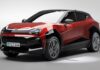
The exterior design of the Sealion 7 is understated yet modern. It avoids the overly aggressive styling found in some “sporty” SUVs, opting for a more cohesive, almost egg-shaped profile. The rear-end compromises practicality for aesthetics, resulting in limited boot space – a common trade-off for style.
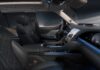
The interior is where the Sealion 7 truly shines. The build quality is notably improved, with soft-touch materials throughout. The 15.6-inch rotating touchscreen, while gimmicky, is responsive and well-integrated with the driver’s display and head-up display, which supports navigation. Physical controls are limited, with only a single button for fan operation.
Performance and Handling: Impressive, But Not Polished
The Performance AWD variant packs 390kW (523 hp) and 690 Nm of torque, enabling a 0-62 mph sprint in just 4.5 seconds. Charging is fast, with 10-80% replenishment taking around 24 minutes using a 230 kW charger.
Behind the wheel, the Sealion 7 feels mature and well-controlled, though not quite as refined as its German competitors. The steering is nicely weighted, and the chassis provides a surprising amount of confidence in corners. However, the ride quality suffers over larger road imperfections, feeling harsh in some situations. The car is equipped with Michelin Pilot Sport EV tires, suggesting BYD is serious about performance.
Regenerative braking is adjustable but lacks a true one-pedal driving mode, a feature found in many rivals.
Price and Value: A Strong Contender
In Malaysia, the Sealion 7 Premium starts at RM 183,800 ($25,900), while the Performance AWD model costs RM 199,800 ($28,100). This undercuts the Tesla Model Y Long Range AWD (RM 242,450) significantly while offering comparable performance and range. The Sealion 7’s aggressive pricing positions it as a compelling alternative in markets where EV competition is fierce.
Ultimately, the BYD Sealion 7 represents a significant step forward for Chinese EVs. It offers a blend of performance, style, and value that makes it a serious contender in the global market. However, it’s not without its flaws, and its success will depend on BYD’s ability to refine the driving experience and address the ride quality issues. The EV landscape is changing rapidly, and the Sealion 7 is a clear sign that Tesla is no longer the undisputed leader.