BYD, now firmly established as a top-ten automotive brand in Australia, is strategically targeting fleet sales to solidify its position and move into the top five. The company recognizes that fleet sales represent a substantial 35% of the overall Australian new vehicle market, a segment where established automakers already derive a significant portion of their volume.
The Fleet Opportunity: Stability and Whole-of-Life Cost
According to Stephen Collins, BYD Australia’s COO, fleet buyers prioritize reliability and long-term cost-effectiveness. Unlike individual consumers, corporate and government fleets require vehicles that deliver predictable performance over their entire lifespan. This focus on “whole-of-cost ownership” makes them a stable and valuable customer base. Currently, fleet sales account for roughly 10% of BYD’s volume in Australia, a figure the company aims to substantially increase.
Private Buyer Dominance and the Shift in Strategy
Historically, BYD has leaned heavily on private buyers. Last year, an overwhelming 82.8% of its 52,415 Australian sales were to individuals – a far higher percentage than any other major brand, including GWM (62.5%) and Mazda (59.7%). While this strong retail base is advantageous, the company acknowledges the need to balance it with a more aggressive push into the fleet sector.
The success of the Shark 6 ute, with 86.1% of sales going to private buyers, highlights this imbalance. In contrast, industry standards like the Toyota HiLux and Ford Ranger see only around 20-25% of their volume sold to individuals.
Addressing Fleet Concerns: Parts, Service, and Infrastructure
BYD is actively addressing key fleet buyer concerns, specifically parts availability, repair costs, and long-term residual values. The company is investing heavily in its service network, with a goal of maintaining a 95% parts fill rate, supported by new warehouses in Melbourne and planned expansion into other states. These investments demonstrate a commitment to reliable support for large-scale fleet deployments.
New Models and Ambitious Growth Targets
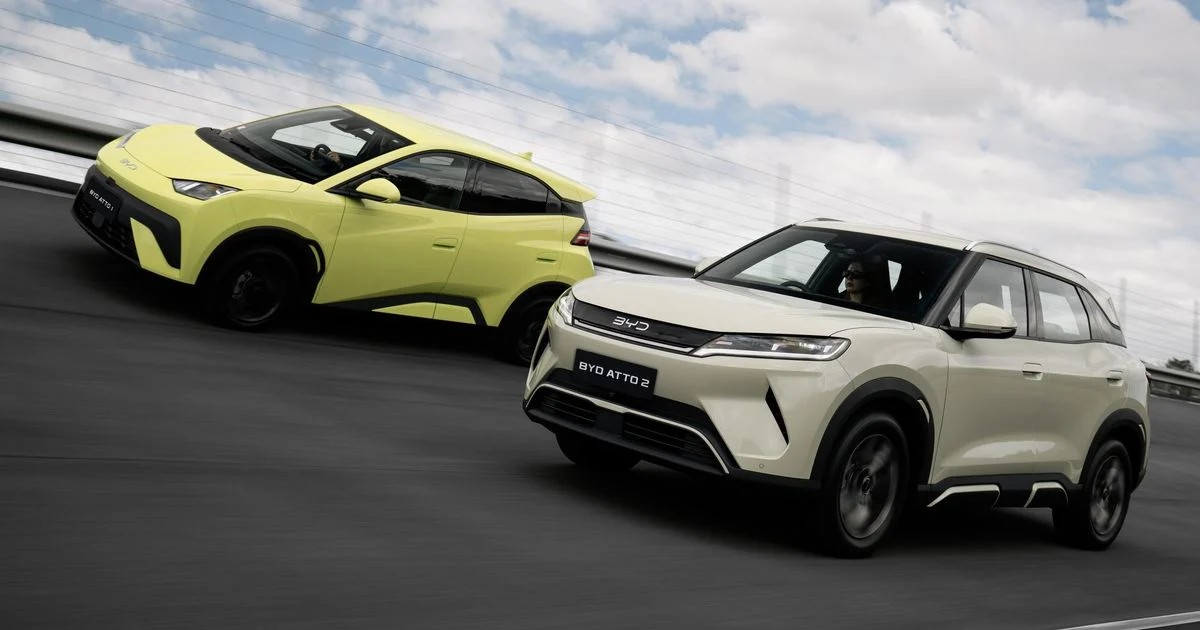
The introduction of more affordable electric vehicles (EVs) like the Atto 1 and Atto 2, along with the Sealion 5 plug-in hybrid, will further enhance BYD’s appeal to fleet purchasers. The potential launch of a cab/chassis version of the Shark 6 could unlock even greater fleet demand.
Looking ahead, BYD aims to climb into the top three best-selling brands in Australia within the next 12-18 months, surpassing established competitors like Mazda, Kia, and Hyundai. This aggressive growth is underpinned by a steady stream of new product launches and a strategic focus on capturing a larger share of the lucrative fleet market.
BYD’s transition to prioritize fleet sales is a calculated move to stabilize its growth and solidify its position in the competitive Australian automotive landscape. This strategic shift, combined with ongoing investments in infrastructure and product expansion, suggests the company is prepared to compete for long-term market dominance.