BYD is moving closer to launching its first pickup truck for the Chinese domestic market. Recent sightings of a camouflaged prototype undergoing road tests, combined with new regulatory filings, suggest the electric vehicle giant is transitioning from an export-focused strategy to a full-scale domestic rollout.
Testing Reveals a New Localized Strategy
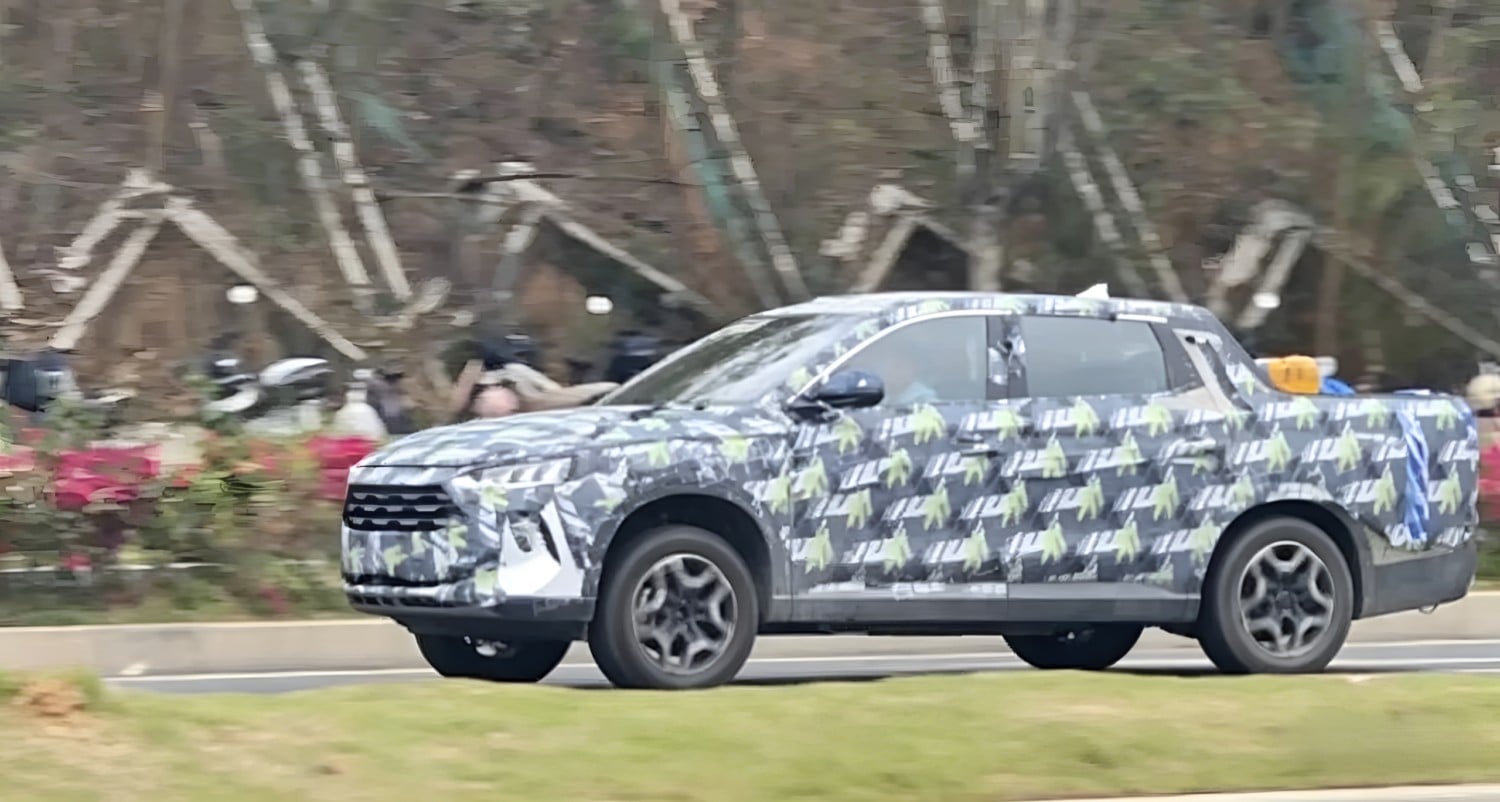
Recent images captured by Chinese automotive bloggers show a prototype that appears distinct from the BYD Shark, the model currently aimed at international markets. The test vehicle features design elements reminiscent of BYD’s “Dynasty” passenger car series, leading analysts to believe the domestic pickup may be integrated into BYD’s existing passenger vehicle sales network.
This distinction is significant. While the overseas Shark focuses on high-performance specifications, the domestic version is expected to prioritize:
– Cost-efficiency: A focus on more affordable plug-in hybrid (PHEV) powertrains.
– Utility: Aligning with the practical, value-driven demands of the Chinese pickup segment.
– Market Fit: Moving away from niche off-road branding toward a more mainstream, multi-purpose vehicle approach.
Regulatory Green Light for Production
The momentum behind these sightings is backed by official administrative shifts. The Chinese Ministry of Industry and Information Technology (MIIT) recently updated filings to include a new production category for plug-in hybrid trucks at BYD’s Zhengzhou plant.
While this filing does not name a specific model, it provides the legal framework necessary for BYD to manufacture pickups within China. When paired with the active road testing, these updates indicate that the project has moved into its final development stages.
Global Ambition vs. Domestic Competition
BYD’s entry into the domestic pickup market marks a pivot in its broader global strategy. Until now, the company’s pickup efforts have been almost entirely export-oriented, with a significant launch expected in South America by 2026.
Entering the Chinese market, however, brings BYD face-to-face with entrenched industry leaders like Great Wall Motor. This move also places BYD in the crosshairs of traditional global manufacturers. Ford CEO Jim Farley has previously expressed skepticism regarding Chinese-made pickups, noting that they represent a “different animal” compared to traditional models built on decades of expertise in towing and payload capacity.
Market Context: Why This Matters
The Chinese pickup segment is traditionally smaller than the passenger car market but is seeing steady growth driven by two distinct trends:
1. Commercial Utility: Small businesses requiring reliable, electrified transport.
2. Lifestyle Integration: A growing consumer interest in “adventure vehicles” for recreational use.
Currently, BYD holds a modest position in the segment, ranking seventh with roughly 39,000 units sold—all of which are currently destined for overseas markets. A domestic launch allows BYD to leverage its massive existing infrastructure and hybrid technology to capture a larger share of this evolving market.
The next major milestone will be the appearance of the specific model in the official MIIT product catalogue, which will finally reveal the technical specifications and official pricing.
Conclusion
BYD is rapidly evolving from an exporter of specialized pickups to a domestic contender in the Chinese truck market. By leveraging localized hybrid technology and securing production rights, the company is positioning itself to challenge established players in a growing segment.