The next-generation BMW i3 is set to debut on March 18th, but this isn’t the quirky city car of the past. Instead, BMW is bringing an all-electric version of its core 3 Series to market – a crucial move in the competitive compact executive segment.
The Shift to Electric
For years, prototypes have been spotted, and teasers have circulated. BMW has steadily prepared the industry for this transition: a high-volume saloon designed to compete directly with rivals like the Mercedes-Benz C-Class. The new i3 isn’t an experiment; it’s a direct replacement for a gasoline-powered variant. This matters because it shows the aggressive pace of electrification even in BMW’s most profitable range.
Design and Technology
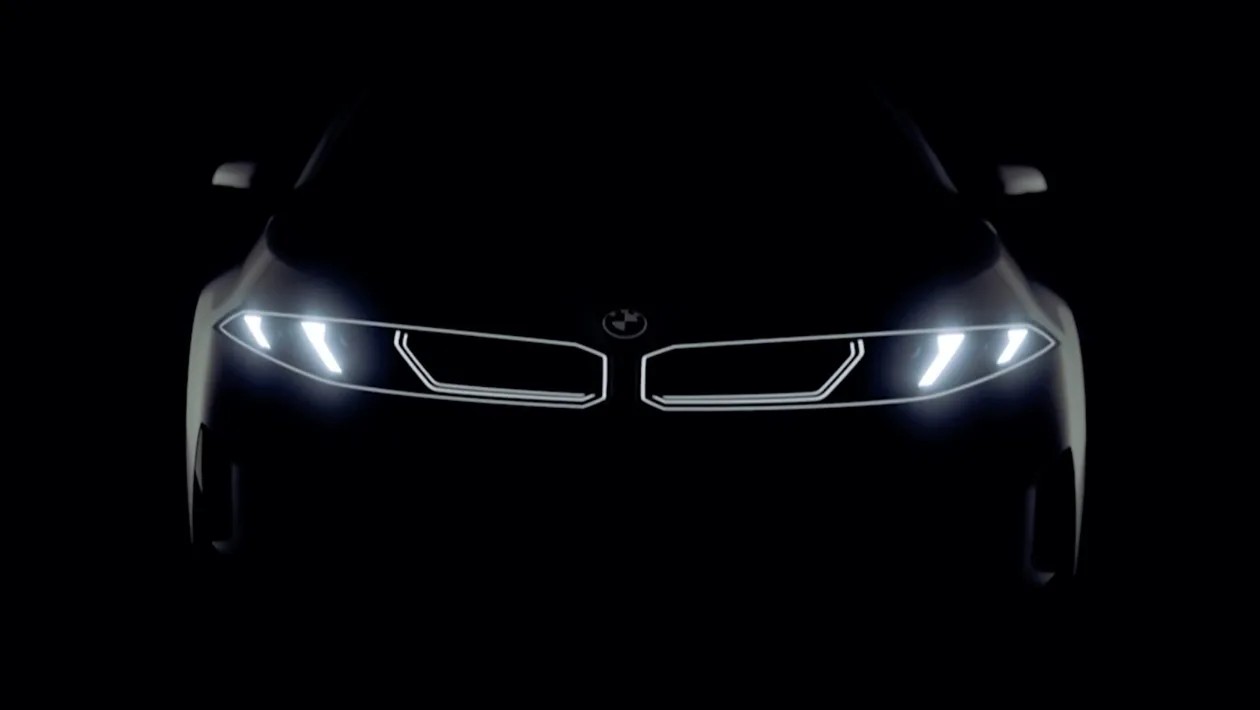
The i3 will closely mirror the design language of the recent iX3 SUV, incorporating BMW’s latest technology, including an illuminated front grille inspired by the Neue Klasse concepts. The car’s design is streamlined, with slimmer kidney grilles, flush door handles, and tweaked proportions (shorter bonnet, sleeker windscreen) to emphasize its electric nature.
The interior will feature BMW’s new ‘Panoramic iDrive’ system, projecting critical information onto the windscreen while simplifying the central touchscreen interface. This design prioritizes driver focus and ease of access.
Performance and Range
BMW is promising the most agile electric saloon yet, with an 800V electrical architecture enabling ultra-rapid charging. The sixth-generation eDrive powertrain uses cylindrical battery cells for up to 20% greater energy density, 30% more range, and 30% faster charging.
While the exact battery size remains unconfirmed, the i3 could potentially achieve a range exceeding 500 miles if equipped with the 108.7kWh unit from the iX3. This is competitive with Tesla Model 3 and the upcoming Mercedes-Benz C-Class EQ Technology, both of which are targeting similar ranges.
The Neue Klasse Strategy
BMW is employing a distinct approach with the 3 Series: separate platforms for ICE and EV models. This contrasts with brands like Mercedes-Benz, which offer both powertrains on the same architecture. MINI has already pioneered this strategy with its latest Cooper, sharing styling cues but maintaining distinct underpinnings.
The electric i3 will be followed by high-performance M variants and Touring (wagon) versions. BMW’s broader strategy under the Neue Klasse umbrella promises a future where design and technology are unified across the brand, setting the stage for an evolving product lineup.
The arrival of the all-electric BMW i3 signifies a pivotal shift in BMW’s strategy, blending performance, design, and technological innovation to compete in the rapidly evolving automotive landscape.