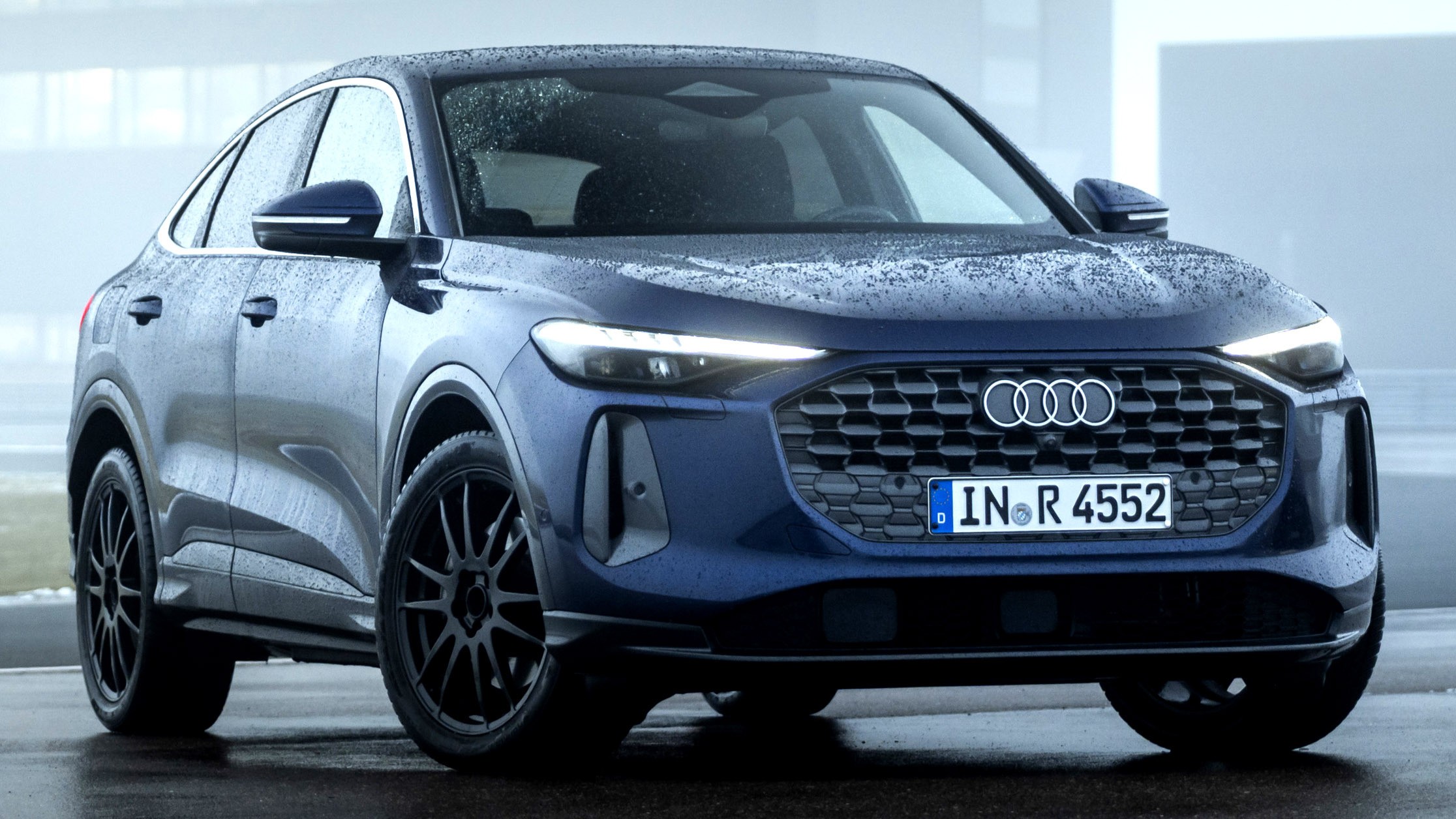
Audi is reintroducing its 3.0-liter V6 diesel engine in European models of the Q5 and A6, but with a significant upgrade: a hybrid system designed to erase the frustrating turbo lag that plagued previous generations. This move comes a decade after the “Dieselgate” scandal forced VW and Audi to re-evaluate their diesel strategy, yet diesel remains popular in many global markets.
The Evolution of a Controversial Engine
The new engine, dubbed EA897evo4, is a direct descendant of the EA897 unit caught in the 2015 emissions cheating scandal. However, Audi claims this iteration is a thorough overhaul, delivering not only increased performance but also improved emissions compliance. The engine now produces 295 horsepower and 428 lb-ft of torque.
How the Hybrid System Works
The core innovation lies in an electrically-powered compressor added to the intake path. This compressor runs on a 48-volt system and kicks in before the traditional turbocharger. The result is instant torque at low engine speeds, effectively eliminating the delay drivers experience when the turbo spools up. The compressor can deliver 3.6 bar of pressure in just 250 milliseconds, spinning at 90,000 rpm, and adds an extra 24 hp and 170 lb-ft of torque.
The hybrid system isn’t just about performance; it also recovers energy during deceleration, storing up to 25 kW back into the battery.
Performance Gains and Fuel Efficiency
Audi states that the new hybrid system improves initial acceleration, allowing vehicles to cover roughly a full car length more in the first 2.5 seconds compared to older models. Fuel efficiency remains a key benefit of diesel, with the Q5 averaging 40.6–34.6 US mpg and the A6 achieving 44.4–38.6 US mpg on the European cycle.
Sustainable Fuel Compatibility
Another notable update is the engine’s ability to run on hydrotreated vegetable oil (HVO) derived from cooking oil or agricultural waste. Audi now delivers all new vehicles from its Ingolstadt and Neckarsulm plants with HVO in the tank, demonstrating a push towards more sustainable fuel options.
This hybrid diesel engine represents a calculated move by Audi to retain a market segment while addressing past criticisms and future emissions standards. The revival of a once-controversial powertrain, now equipped with modern technology, highlights the persistent demand for diesel in Europe and Audi’s commitment to adapting rather than abandoning the technology altogether.