


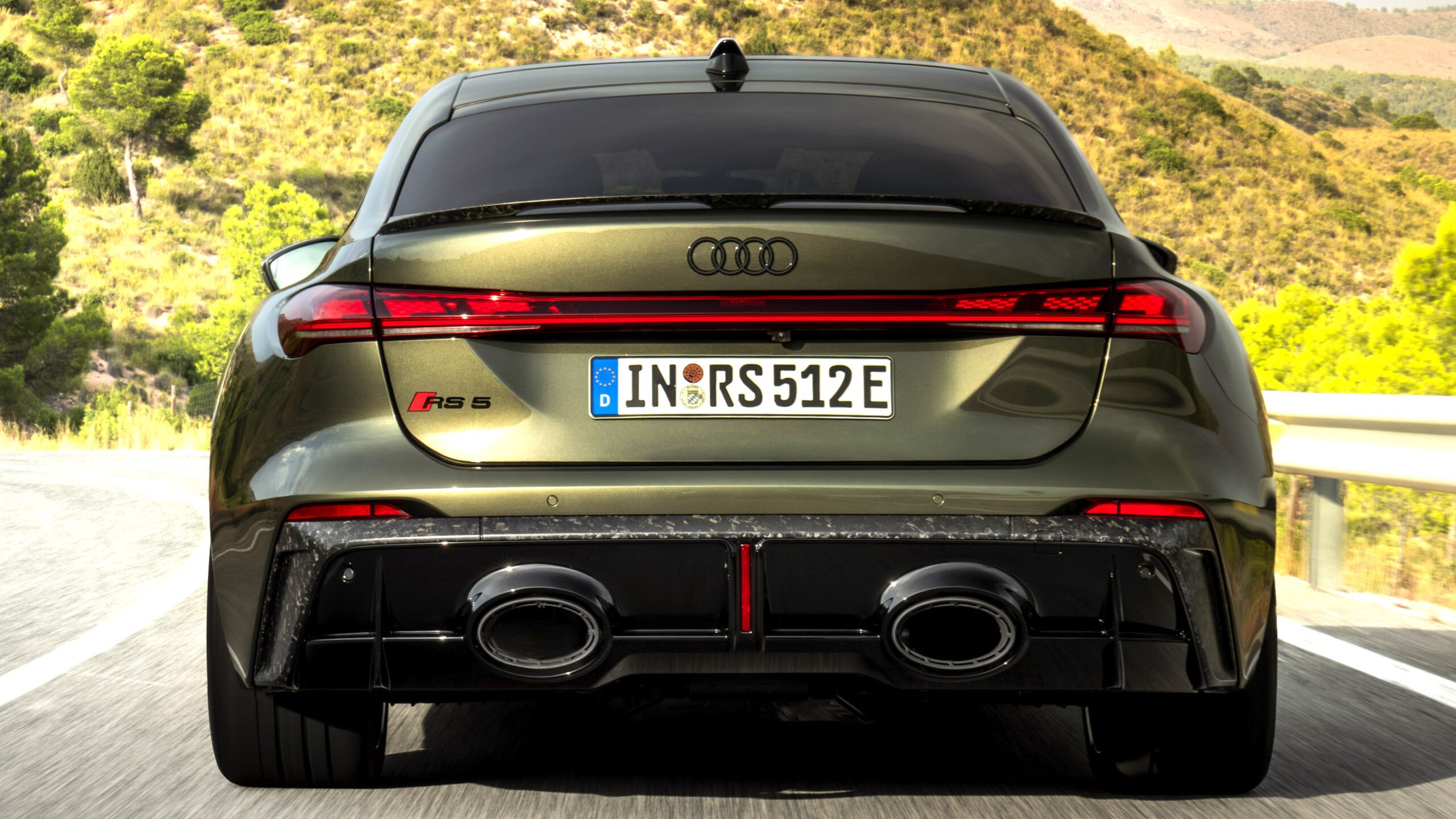
Audi has unveiled its latest high-performance model, the RS5, a plug-in hybrid that combines a twin-turbo V6 with an electric motor to deliver 630 horsepower and 608 lb-ft of torque. This makes it notably more powerful than rivals like the BMW M3, with Audi claiming a 0-62 mph sprint in just 3.6 seconds. However, the RS5’s performance comes at a cost: it’s significantly heavier than its predecessors and even some full-size pickup trucks.
Hybrid Power and Performance Features
The RS5’s powertrain features a 2.9-liter V6 producing 503 hp, paired with an electric motor adding another 174 hp. The combined output surpasses even the most potent versions of the BMW M3. The car boasts a 22 kWh battery, providing up to 50 miles of electric range – far exceeding the limited electric capabilities of competitors like the AMG C63 hybrid.
Audi has also refined its Quattro all-wheel-drive system with a new center differential to improve turn-in and reduce understeer, a long-standing issue with Audi models. A rear torque vectoring system and a dedicated “RS Torque Rear” mode (drift mode) further enhance handling.
The Weight Problem: A Concerning Trend
Despite the performance upgrades, the RS5’s most striking characteristic is its weight. The sedan tips the scales at 2,355 kg (5,190 lbs), with the Avant wagon weighing slightly more at 2,370 kg (5,225 lbs). This represents a 550 kg (1,213 lbs) increase over the previous RS4 Avant.
The RS5 is now heavier than some V8-powered Ford F-150 SuperCab models, including the 6.5 ft bed version, which weighs in at 2,245 kg (4,948 lbs). This raises questions about whether the added weight will compromise the driving experience despite the increased power. The trend of heavier performance cars is becoming increasingly common as manufacturers add more technology, larger batteries, and more safety features.
Aggressive Styling, Unclear Future
Visually, the RS5 features a wider body, a darker grille with checkered flag lighting, and prominent exhaust tips. The design is aggressive, aligning with the car’s high-performance intentions. However, the ultimate test will be whether the RS5 can deliver a satisfying driving experience despite its considerable weight.
The RS5 is expected to launch later this year, and real-world testing will determine if the extra weight negates the benefits of its hybrid powertrain and advanced handling technologies. For now, it serves as a stark reminder that more power doesn’t always translate to better performance if not balanced with careful weight management.


