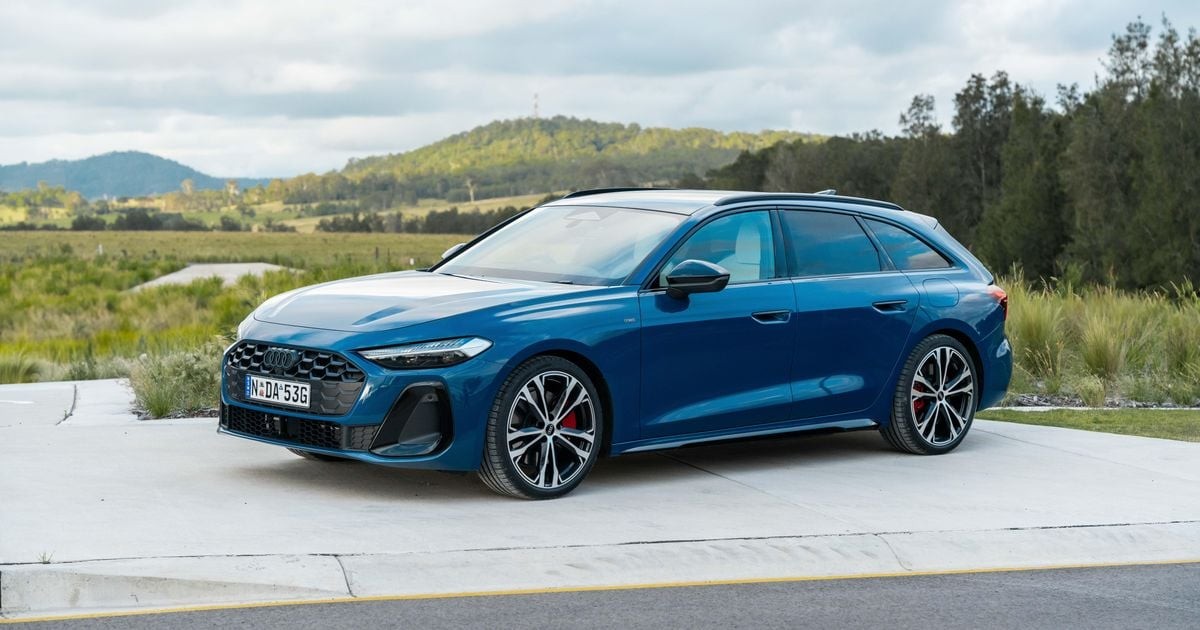
Audi is strategically prioritizing hybrid vehicles for the Australian market as demand for diesel models declines, aligning with global trends and stricter emissions standards. The company’s sales boss, Marco Schubert, confirmed at the 2026 Australian Formula 1 Grand Prix that hybrids will be a key component of Audi’s electrification strategy Down Under.
The Rise of Hybrids: A Global Shift
The move reflects a broader industry trend away from pure electric vehicles (EVs) and towards hybrid powertrains. Several automakers, including Mercedes-Benz and Volvo, have scaled back aggressive EV targets in recent years. Audi initially aimed to phase out combustion engines by 2033, but has since adjusted its plans, recognizing the sustained appeal of hybrid technology.
The popularity of hybrids, particularly in major markets like the United States, has driven this shift. Hybrid sales have surged in Australia too, outpacing EV and plug-in hybrid (PHEV) sales. The Toyota RAV4 Hybrid consistently ranks among Australia’s best-selling vehicles, demonstrating strong consumer preference for this technology.
Australia’s Unique Position
Australia presents a unique opportunity for Audi’s hybrid push. The country’s tightening emissions regulations, introduced through the New Vehicle Efficiency Standard (NVES) in 2025, incentivize automakers to offer electrified options to meet CO2 targets.
“Hybrids are working well here from the tax perspective,” Schubert noted, highlighting the financial benefits for consumers.
Audi currently offers PHEV versions of the A5 (including the high-performance RS5), Q5, and Q8 SUVs, with the Q3 potentially joining the lineup. The new RS5, powered by a 470kW/825Nm plug-in hybrid powertrain, showcases Audi’s commitment to this technology.
The Future of Diesel
While Audi still offers diesel engines in certain models like the Q7, Q5, and Q8, the company is gradually phasing them out in favor of hybrids. The decline of diesel is driven by both consumer preferences and increasingly stringent regulations.
The brand has not set a firm date for eliminating internal combustion engines entirely, but plans to continue offering ICE powertrains into the 2030s.
Global Policy Influences
Recent policy changes, such as the weakening of emissions regulations in the US under the Trump administration and adjustments to Europe’s zero-emission mandates, have further reinforced the viability of hybrid vehicles. Europe now aims for 90% zero-emission sales by 2035, allowing hybrids to remain relevant.
The broader industry trend signals that hybrid technology is not a temporary solution but a long-term strategy for automakers balancing performance, emissions targets, and consumer demand. The Australian market, with its evolving regulations and growing hybrid sales, is well-positioned to benefit from Audi’s renewed focus on this technology.