


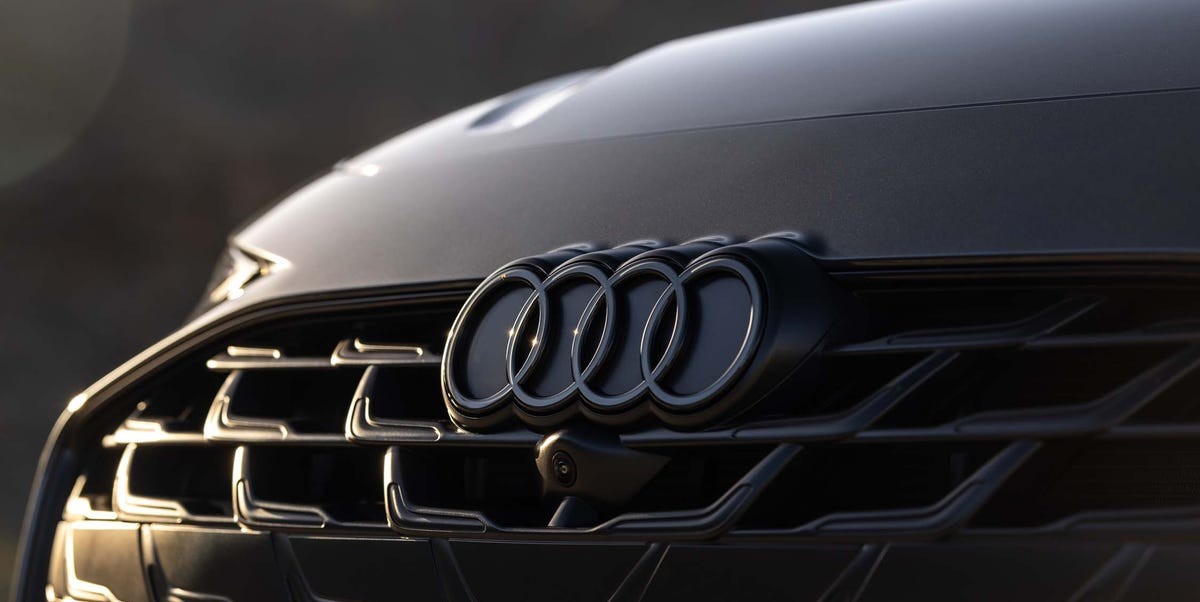
Audi CEO Gernot Döllner has signaled a strategic shift, acknowledging that internal combustion engines (ICE) will remain a significant part of the company’s lineup well into the 2030s. This decision comes as the electric vehicle (EV) transition slows in key markets, particularly the U.S., where demand has been hampered by policy changes and consumer preferences.
Market Realities Drive Strategy
The automotive industry initially predicted a rapid shift toward all-electric vehicles by the mid-2020s, but this transition has stalled. The elimination of federal EV tax credits in the U.S. in late 2025 dramatically slowed sales, prompting automakers to re-evaluate their electrification timelines.
Döllner stated, “The drivetrain concepts will definitely swing back to [internal combustion]. That’s what we see right now, and I don’t know if battery-electric will come back that fast.” This isn’t a rejection of EVs entirely; rather, it’s a pragmatic response to market forces. Audi will continue refining its existing ICE powertrains with increased hybridization, ensuring flexibility as consumer demand dictates.
Global Disparities and Flexibility
The EV landscape varies significantly by region. While China and Europe are pushing forward with electrification, the U.S. maintains a strong preference for gas-powered SUVs and pickups. This divergence means that a one-size-fits-all approach is untenable.
Döllner emphasizes the importance of adaptability: “Markets are so dynamic… the U.S. has these rugged SUV and pickup segments, quite ICE-heavy consumer landscape. China is ahead on battery electric… There are a lot of dynamics, so it isn’t too easy to tell where the road is heading.” Audi has therefore abandoned its earlier plan to go all-EV by 2033, recognizing the need for a more nuanced strategy.
Future Platform Decisions
Audi will continue developing its current ICE platforms with further hybridization. However, a critical decision looms in the early 2030s. If strong demand for gas engines persists, particularly in the U.S., the company may invest in a next-generation ICE platform.
Compact car segments, driven by European and Chinese regulations, are expected to go all-electric by the early 2030s. The rest will depend on consumer behavior. Döllner believes maintaining distinct platforms for EVs and ICE vehicles is the most effective approach, avoiding compromises in design and performance.
Supercar and SUV Prospects
Audi is also evaluating new models, including a potential successor to the R8 supercar. While not confirmed, Döllner acknowledged the possibility of a hybrid V-8-powered sports car, potentially under a new name. The company is also considering an off-road-focused SUV based on the Scout platform, reflecting the strong demand for rugged vehicles in the U.S.
➡️ Audi’s willingness to adapt to changing market conditions demonstrates a commitment to long-term viability. By maintaining flexibility in its powertrain strategy, the company aims to navigate the uncertain transition to electric mobility without alienating its core customer base.


