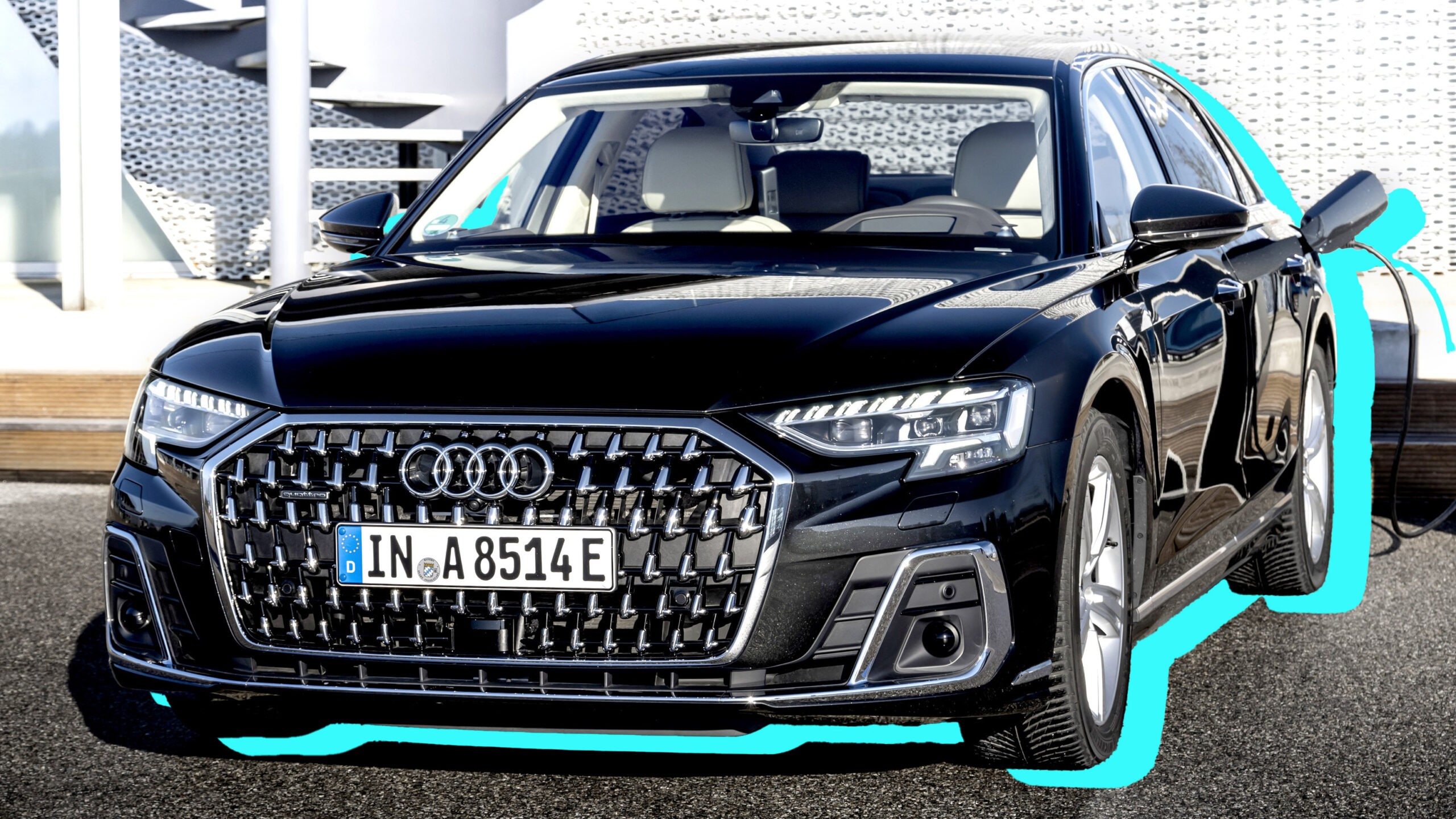
Audi has effectively halted sales of its A8 flagship sedan in Germany, signaling a likely end to production for the model as demand wanes. The company’s website now directs potential buyers to consider used vehicles instead, a clear indication that new orders are no longer being taken.
The Decline of Luxury Sedans
The A8’s fate reflects a broader trend in the automotive market: the decline of large, traditional sedans. Once symbols of status and luxury, these vehicles are losing ground to SUVs and crossovers. Audi’s decision follows similar moves by Cadillac, Lincoln, and Infiniti, all of which have largely abandoned this segment.
Sales figures underscore this shift. In the United States, A8 sales fell by 14% last year, totaling just 1,406 units. This pales in comparison to rivals like the Lexus LS, which managed 1,082 sales despite also facing dwindling demand. Lexus notably marked the end of its flagship with a limited-edition Heritage Edition, suggesting an awareness of the segment’s decline.
Audi’s Vague Future Plans
While Audi maintains that production continues for now, dependent on remaining inventory, a spokesperson has offered no concrete plans for a successor. The possibility of a future replacement remains open, though speculation suggests it may take the form of a high-end SUV or the Q9 crossover with its ultra-luxury Horch variant.
This leaves the BMW 7-Series and Mercedes-Benz S-Class as the primary contenders in the shrinking luxury sedan market. Audi’s retreat signals that the era of competitive flagship sedans may be coming to a close, as manufacturers prioritize more profitable and popular vehicle types.
The A8’s demise underscores a fundamental shift in consumer preferences, where SUVs now dominate the luxury vehicle landscape. Audi’s move is not just about this one model; it’s a sign of the times for the entire automotive industry.